
Best Proxies for Fraud Prevention.
Fraud teams live in a strange reality. You are trying to see what bad traffic looks like without becoming bad traffic yourself. You need to test sign-up flows, checkout behavior, ad placements, affiliate links, geo rules, account risk triggers, and suspicious public activity from different locations and networks.
A normal office IP will not tell you much. A cheap public proxy will usually poison your data.
That is where a serious proxy provider becomes useful. Not for hiding shady activity, but for controlled, permission-based fraud prevention work.
The right proxy stack helps your team simulate real-world access, verify customer journeys, inspect suspicious sources, and monitor public web signals without hammering targets or breaking rules.
Quick Picks: Best Proxies for Fraud Prevention
| Provider | Best For | Proxy Types | Rotation Control | Geo Targeting | Fraud Prevention Fit |
|---|---|---|---|---|---|
| Bright Data | Enterprise fraud and risk teams | Residential, ISP, datacenter, mobile | Advanced rotating and sticky sessions | Country, city, state, ZIP, ASN | Best for strict compliance and large investigations |
| Oxylabs | Large-scale fraud intelligence | Residential, ISP, mobile, datacenter | Sticky or rotating sessions | Country, state, city | Great for high-volume monitoring and public data checks |
| Decodo | Balanced business use | Residential, mobile, ISP, datacenter | Rotating and sticky sessions | 195+ locations | Strong mix of price, usability, and coverage |
| SOAX | Geo-sensitive fraud testing | Residential, mobile, ISP, datacenter | Automatic rotation and sticky sessions | Country, city, ASN/ISP | Excellent when location accuracy matters |
| NetNut | Stable long-session monitoring | Residential, ISP, mobile, datacenter | Sticky IP sessions | Global targeting | Useful for repeatable account and journey testing |
| IPRoyal | Flexible budget testing | Residential, datacenter, ISP, mobile | Custom TTL and rotating sessions | Country, state, city | Good for lean teams that need control |
| Webshare | Affordable controlled tests | Datacenter, static residential, rotating residential | Simple rotation options | Broad country coverage | Best for low-cost monitoring and QA |
| Rayobyte | US-focused data collection | Residential, datacenter, ISP | Rotating and static options | Strong US footprint | Good for US merchant, ad, and marketplace checks |
1. Bright Data: Best Overall for Enterprise Fraud Prevention
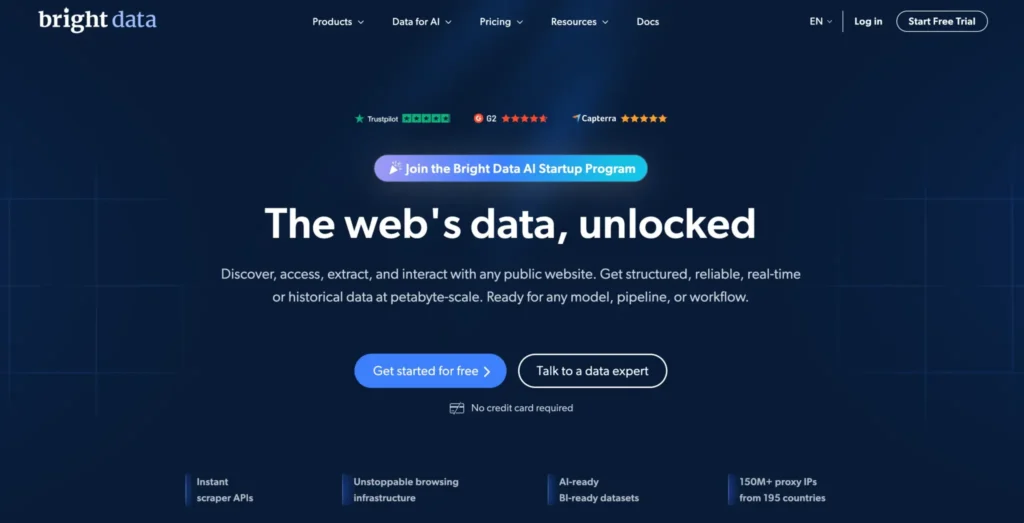
Bright Data is the heavyweight option for teams that need scale, auditability, and fine control. It is not the cheapest provider, but fraud prevention is rarely the place to save a few dollars and risk dirty IPs, weak documentation, or unclear sourcing.
For fraud teams, Bright Data works well for ad verification, affiliate fraud checks, marketplace monitoring, brand abuse research, and location-based customer journey testing. Its residential network is huge, and its targeting options are deep enough for serious investigations.
The bigger selling point is governance. Bright Data puts heavy emphasis on KYC, compliance review, and network monitoring. That matters because fraud prevention teams often work in regulated environments. You want a provider that asks questions about your use case. Annoying? Sometimes. Useful? Absolutely.
Pro-Tip: Use rotating residential IPs for broad monitoring, but use sticky sessions when testing multi-step flows like sign-up, email verification, cart behavior, or account recovery.
2. Oxylabs: Best for Large-Scale Fraud Intelligence
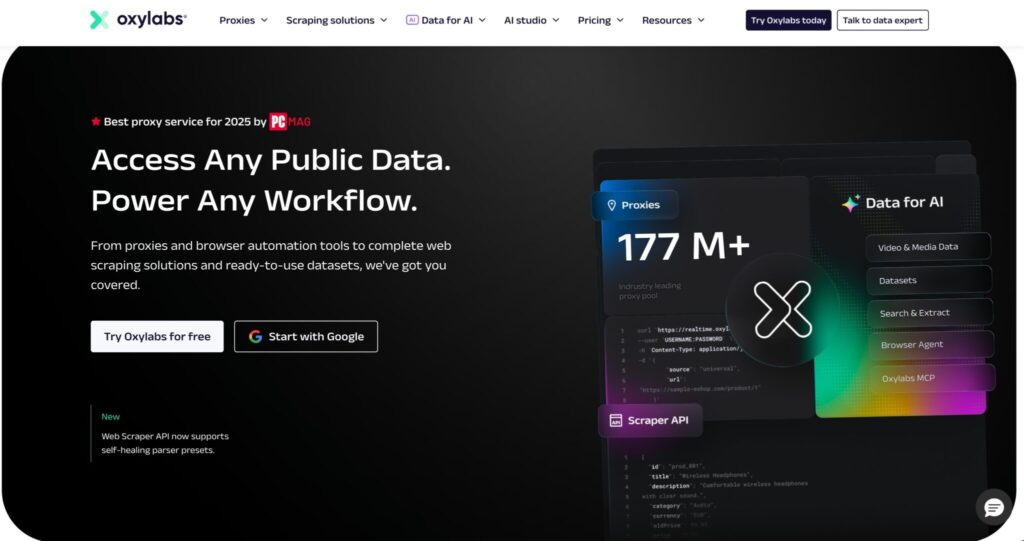
Oxylabs is another enterprise-grade provider with strong infrastructure and a large residential IP pool. It fits teams that need to collect public signals at scale, monitor suspicious merchants, validate ads, inspect pricing abuse, or run recurring fraud intelligence jobs across different markets.
Its residential proxies support both sticky and rotating sessions, which gives you flexibility. Rotating sessions work well when checking hundreds of public pages or ad placements. Sticky sessions are better when your workflow needs continuity, such as moving through a funnel from landing page to checkout.
Oxylabs also fits engineering-heavy teams because its documentation, dashboards, and APIs are built for scale.
The main downside is cost. You are paying for reliability, support, and enterprise readiness. Small teams may find it more than they need.
Best fit: Fraud intelligence teams, ad verification teams, marketplaces, and larger affiliate compliance operations.
3. Decodo: Best Balanced Option for Growing Teams
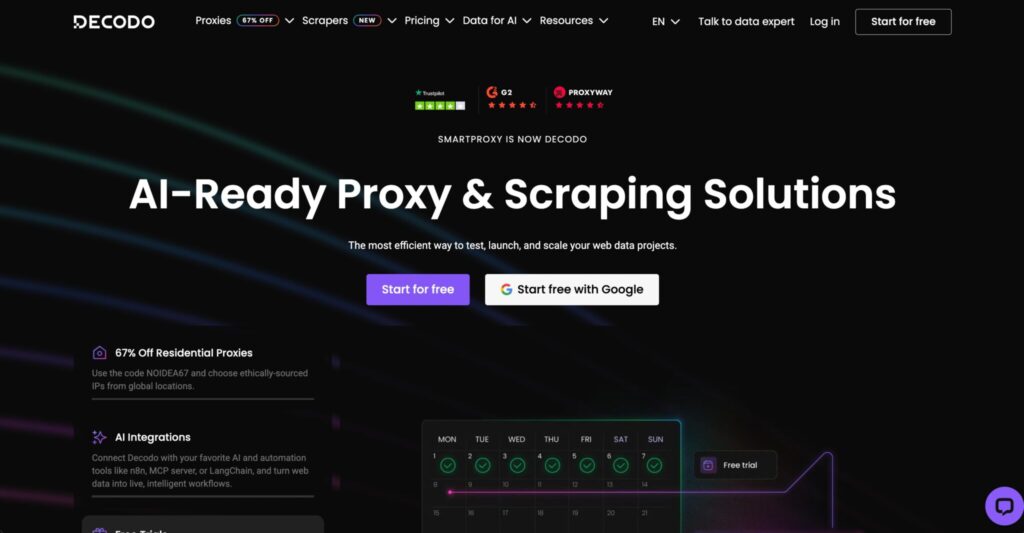
Decodo, formerly Smartproxy, is one of the easiest providers to recommend when a team wants strong proxy coverage without jumping straight into enterprise complexity. It offers residential, ISP, mobile, and datacenter proxies, with a clean dashboard and practical session controls.
For fraud prevention, Decodo is useful for testing geo-based landing pages, checking suspicious affiliate paths, monitoring public listings, and validating whether user-facing content changes by country or network context. Its large IP pool and location coverage make it a solid middle-ground option.
What stands out is usability. Some proxy platforms feel like they were built only for network engineers. Decodo is friendlier, which helps when fraud, growth, QA, and compliance teams all need access.
It may not provide the same depth of enterprise policy controls as Bright Data, but for many businesses, the mix of coverage, speed, and price is strong.
Pro-Tip: Create separate proxy profiles for QA, ad checks, and fraud research. Mixing use cases in one configuration makes logs harder to interpret.
4. SOAX: Best for Geo and ASN-Level Fraud Checks
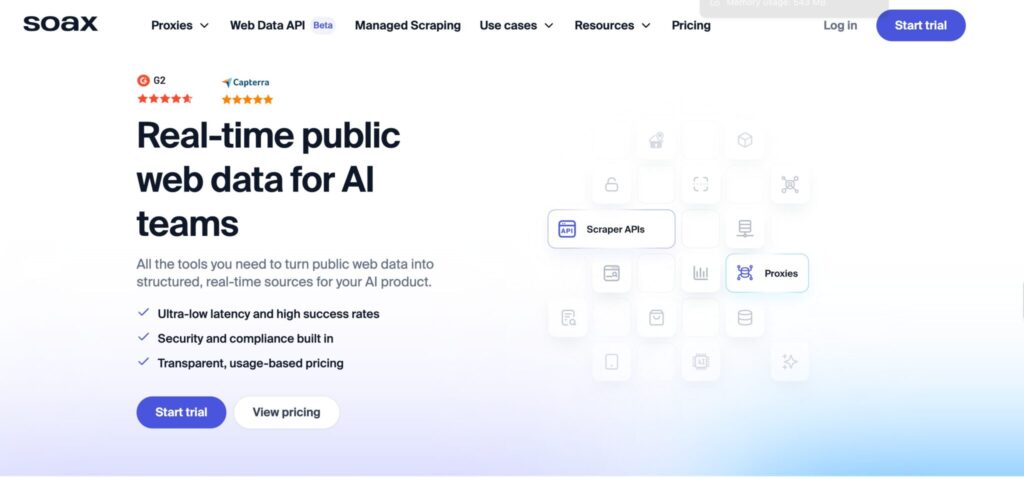
SOAX is a strong choice when your fraud prevention work depends on location accuracy. Its platform focuses heavily on ethically sourced IPs, precise targeting, sticky sessions, and broad residential and mobile coverage.
This matters because fraud is often local. Fake leads may spike from one city. A suspicious affiliate may show different pages to users from one country and clean pages to reviewers from another. SOAX helps teams reproduce those conditions more realistically.
SOAX is also useful for ad fraud and brand protection monitoring. You can inspect public-facing campaigns from different markets and check whether offers, redirects, or disclaimers appear correctly. For affiliate managers, that can be a lifesaver.
The learning curve is moderate. The dashboard is manageable, but you still need to understand rotation, TTL, and targeting to get clean results.
Best fit: Teams focused on geo testing, affiliate compliance, ad verification, and regional fraud monitoring.
5. NetNut: Best for Stable Session-Based Monitoring
NetNut is a good option when stability matters more than constantly changing IPs. Many fraud prevention tasks need continuity. You may need to test account login flows, session risk rules, checkout friction, payment page behavior, or review moderation systems. If the IP changes too aggressively, your test becomes noisy.
NetNut’s sticky residential and ISP-style options are useful for these workflows.
For fraud prevention, NetNut fits teams that want fewer moving parts and reliable sessions. It is not always the cheapest path for broad monitoring jobs, but it can be a cleaner choice for repeatable testing.
Pro-Tip: For account journey testing, do not rotate on every request. Keep one IP through the full session, then rotate between test runs.
6. IPRoyal: Best Budget-Friendly Proxy Stack with Flexible Rotation
IPRoyal is popular because it gives smaller teams access to residential proxies without forcing heavy monthly commitments. Its traffic rollover and flexible pricing can be useful for fraud prevention teams that run periodic investigations instead of nonstop monitoring.
The platform supports rotating and sticky sessions, with session TTL controls. That means you can decide whether each request should get a new IP or whether one IP should stay active long enough to complete a realistic user journey.
IPRoyal is a practical pick for affiliate compliance checks, landing page testing, basic ad verification, and SMB fraud research. It may not have the same enterprise polish as Bright Data or Oxylabs, but it gives you enough control to run clean tests if your team knows what it is doing.
7. Webshare: Best Low-Cost Option for Simple Monitoring
Webshare is a good fit for teams that need affordable proxies for basic fraud prevention checks. It is especially useful for controlled QA, uptime checks, landing page verification, and simple public page monitoring.
The platform is easy to start with, and its dashboard is friendly for non-specialists.
For fraud prevention, I would not treat Webshare as the only provider in a mature stack. It is better as a support tool. Use it to monitor simple flows, compare regions, or run low-risk checks. For sensitive investigations, use a more compliance-heavy provider.
Pro-Tip: Use datacenter proxies for speed tests and basic availability checks. Use residential or ISP proxies only when the network identity affects the result.
8. Rayobyte: Best for US-Centric Proxy Operations
Rayobyte is worth considering if your fraud prevention work is heavily focused on the United States. It offers residential, ISP, and datacenter proxies, and it has built a reputation around ethical public web data collection.
For US merchants, lead-gen networks, review platforms, and affiliate programs, Rayobyte can be useful for checking how public pages, redirects, and offers behave across regions. Its datacenter and ISP options can also work well for predictable monitoring where speed and consistency matter.
How to Choose Proxies for Fraud Prevention
1. Start with the Fraud Use Case
Do not buy proxies first and define the workflow later. Start with the question you need answered. Are you checking ad fraud, fake leads, promo abuse, affiliate cloaking, review manipulation, account takeover signals, or checkout abuse?
Broad monitoring usually needs rotating residential proxies. Multi-step testing needs sticky residential or ISP proxies. Basic uptime and page checks can use datacenter proxies.
2. Choose the Right IP Pool
A large IP pool helps, but size alone is not enough. You need diversity across countries, ISPs, cities, and connection types. A clean pool lets you separate real platform behavior from proxy noise.
Avoid free proxies. They are slow, abused, unstable, and often unsafe. Worse, they can make your test data useless.
3. Understand Rotation Protocols
Rotation is not one setting. It is a strategy. Use rotating sessions to sample many public pages, markets, or ad placements. Use sticky sessions when a user journey must stay consistent. Use static ISP proxies for speed and repeatability. Use mobile proxies only when carrier behavior matters.
4. Check Sourcing and Compliance
Fraud prevention work should not rely on shady infrastructure. Ask how the provider sources residential IPs, whether users give consent, whether the provider performs KYC, and whether they monitor abuse. A clean provider protects your company as much as your data quality.
5. Look for Logs, Controls, and Team Features
You need to know which proxy, country, session type, and timestamp produced each result. Teams should also use role-based access, separate projects, and documented testing rules.
6. Match Pricing to Usage
Pay-per-GB is fine for investigations. Monthly plans are better for recurring monitoring. Dedicated ISP or datacenter proxies make sense when stability matters. Compare usable success rate, support response, targeting accuracy, and cleanup time.
FAQs: Best Proxies for Fraud Prevention
1. Are proxies legal for fraud prevention?
Yes, proxies can be legal when used for authorized testing, public data monitoring, ad verification, QA, and compliance work. The risk comes from how they are used. Do not access private systems without permission or violate platform terms.
2. What type of proxy is best for fraud prevention?
Residential proxies are best for real-world visibility. ISP proxies are better for stable sessions. Datacenter proxies are best for speed and low-cost checks. Mobile proxies help when you need to test mobile carrier behavior.
3. Should I use rotating or sticky proxies?
Use rotating proxies for broad sampling. Use sticky proxies for journeys that require continuity, such as sign-up, checkout, login, or account recovery tests.
4. Can proxies help detect affiliate fraud?
Yes. They can help affiliate managers inspect public landing pages, redirects, geo-based cloaking, coupon abuse, and offer misrepresentation from different locations.
5. Are free proxies good enough?
No. Free proxies are usually unstable, overused, and risky. They can distort your results.
6. How many IPs do I need?
Small QA checks may need only a few stable IPs. Regional monitoring may need hundreds or thousands of rotating IPs. Large-scale fraud intelligence needs larger residential pools with precise targeting.
7. What is the safest provider choice?
For enterprise compliance, start with Bright Data or Oxylabs. For balanced growth, consider Decodo or SOAX. For budget testing, IPRoyal and Webshare are easier starting points.
Final Verdict
The best proxy for fraud prevention is not the one with the loudest IP count. It is the one that gives you clean sourcing, strong targeting, controllable rotation, stable sessions, and usable logs.
Bright Data is the strongest overall choice for enterprise teams. Oxylabs is excellent for large-scale fraud intelligence. Decodo gives growing teams a clean balance of usability and coverage.
SOAX is a smart pick for geo-heavy investigations. NetNut works well for stable journey testing. IPRoyal is practical for flexible budgets. Webshare is useful for simple checks, and Rayobyte is a strong option for US-focused monitoring.
My practical recommendation: use two providers, not one. Keep one premium residential provider for sensitive investigations and one affordable proxy stack for routine checks. That gives your fraud team better comparison data, fewer blind spots, and a cleaner way to separate real fraud signals from proxy-side noise.