
Best Proxies For Gaming Bots.
Gaming bots live or die by network quality. The bot code can be sharp, the workflow can be clean, and the timing can be perfect, but if the proxy layer is weak, everything starts falling apart.
Logins fail. Sessions reset. Ping jumps. Accounts get challenged. Your automation looks messy before it even gets to the actual task.
That is why choosing the best proxies for gaming bots is not just about buying the biggest IP pool. You need the right mix of speed, sticky sessions, clean IP history, geo-targeting, protocol support, and control over rotation.
A cheap proxy that works for basic browsing may collapse when you run many bot sessions across game launchers, marketplaces, test servers, or regional environments.
Before we go deeper, one clear note: use gaming bots only where they are allowed. Proxies should support legitimate automation, QA testing, multi-region access checks, server monitoring, market research, or account security workflows.
They should not be used for cheating, abuse, account theft, or bypassing platform rules.
Quick Comparison Table: Best Proxies For Gaming Bots
| Proxy Provider | Best For | Proxy Types | Sticky Sessions | Speed Profile | Best Gaming Bot Use Case |
|---|---|---|---|---|---|
| Bright Data | Enterprise teams | Residential, ISP, mobile, datacenter | Strong control | High | Large bot networks and geo-testing |
| Oxylabs | Premium reliability | Residential, ISP, mobile, datacenter | Up to long sessions | Very high | Serious multi-account QA and testing |
| Decodo | Best balance | Residential, ISP, mobile, datacenter | Flexible | Fast | Mid-size bot setups and launcher testing |
| SOAX | Mobile-heavy workflows | Residential, mobile, ISP, datacenter | Good control | Stable | Mobile game testing and regional checks |
| IPRoyal | Budget-conscious users | Residential, ISP, mobile, datacenter | Strong TTL options | Good | Smaller bot setups and testing |
| NetNut | Large-scale residential access | Residential, mobile, ISP | Session-based | Strong | Scaling traffic with fewer blocks |
| Webshare | Affordable datacenter and ISP | Datacenter, ISP, residential | Limited but useful | Fast | Low-cost gaming bot experiments |
| Rayobyte | Dedicated proxy setups | Datacenter, ISP, residential | Good for static IPs | Fast | Stable long-running sessions |
| ProxyEmpire | Geo-targeting flexibility | Residential, mobile, datacenter | Rotating and sticky | Good | Region-based bot activity testing |
1. Bright Data: Best For Enterprise Gaming Bot Infrastructure
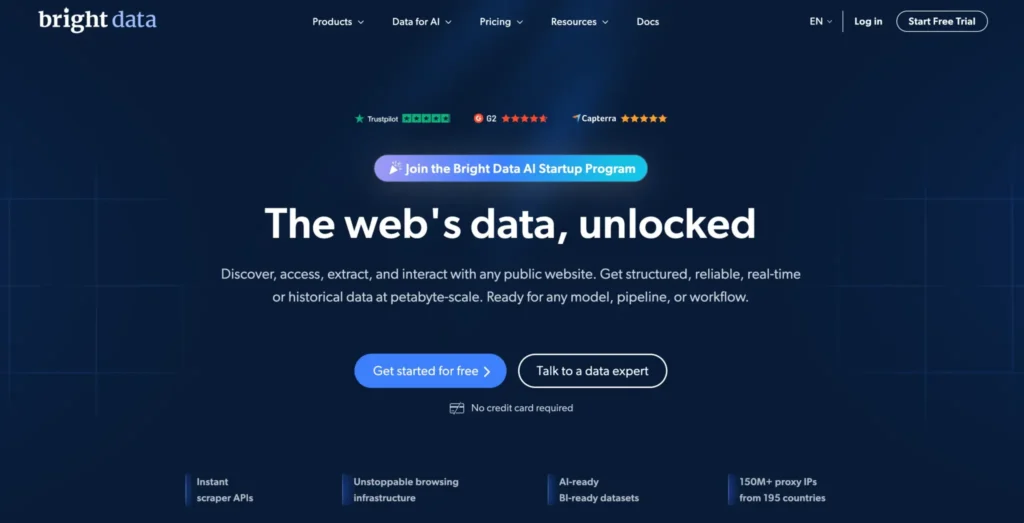
Bright Data is the heavy-duty choice for teams that need control more than cheap pricing. It gives you residential, ISP, mobile, and datacenter proxies, which matters because gaming bot workloads are rarely one-size-fits-all.
For example, datacenter proxies may work for basic launcher checks or non-sensitive API-style tasks. ISP proxies are better when you need a more stable identity with faster response times. Residential and mobile proxies are useful for region testing, app testing, and workflows where IP reputation matters more.
The biggest advantage is control. You can tune sessions, locations, proxy types, and rotation behavior with more precision than most smaller providers. That makes Bright Data a strong fit for advanced teams running gaming market research, multiplayer environment testing, game pricing checks, or regional access validation.
The downside is cost and complexity. If you are just testing a small bot project, Bright Data can feel like using a racing simulator to learn how to park. But if your setup needs clean routing, scale, and proper account-level management, it is one of the most serious options available.
Pro-Tip: Use ISP proxies for stable login-based sessions and residential rotation only for tasks that need broader geo-distribution.
2. Oxylabs: Best Premium Proxy Network For Serious Bot Operations
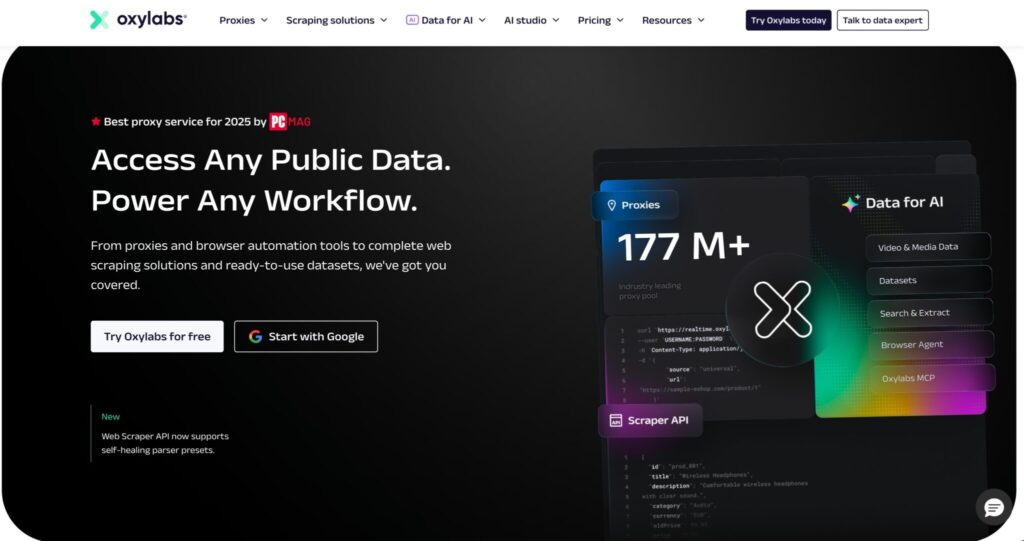
Oxylabs is another premium provider that fits professional gaming bot workflows. Its strength is reliability. If your bot operation needs fewer random disconnects, better uptime, and proper support, Oxylabs makes sense.
For gaming bots, the sticky session feature is a big advantage. Some bot tasks need the same IP for a full login session, marketplace check, or test sequence. Rotating too often can break sessions and trigger extra verification. Oxylabs gives enough control to keep identity stable when needed, while still allowing rotation for lighter tasks.
Oxylabs also works well for teams that care about documentation and clean onboarding. That sounds boring until you are debugging proxy errors at 2 a.m. with 80 bot sessions failing because one port format is wrong.
It is not the cheapest provider. Smaller users may find it expensive. But if your priority is fewer headaches, not the lowest monthly bill, Oxylabs deserves a top spot.
Pro-Tip: Do not rotate IPs during login, checkout-style flows, or game account actions. Start the session with one IP and keep it stable until the workflow ends.
3. Decodo: Best Overall Balance For Gaming Bots
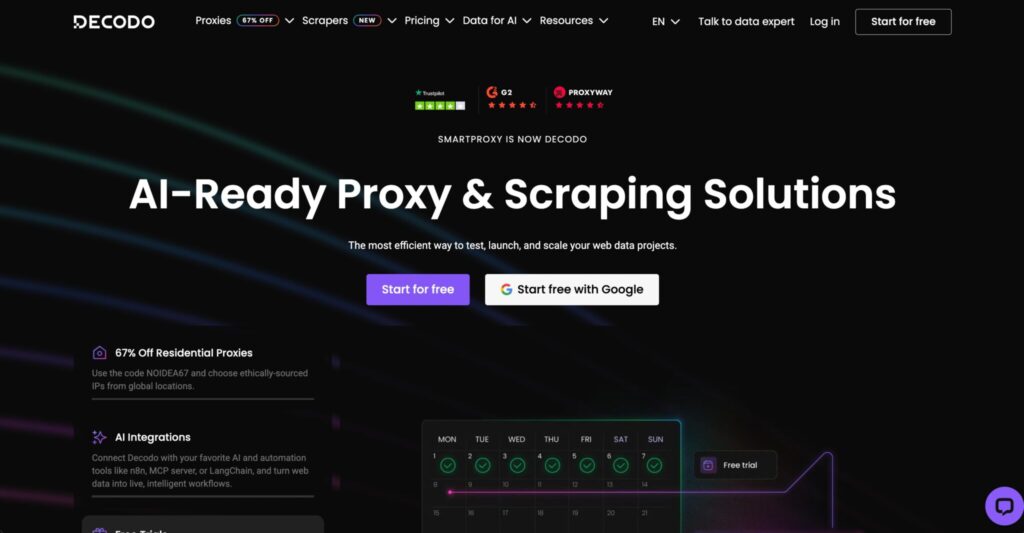
Decodo, formerly Smartproxy, is one of the easiest recommendations for users who want strong proxy quality without enterprise-level friction. It offers residential, mobile, ISP, and datacenter proxies, so you can test different setups without rebuilding your full stack.
For gaming bots, Decodo is especially useful when you want a balanced mix of speed, price, and dashboard simplicity. It is friendly enough for smaller teams, but strong enough for more demanding workflows. The large IP pool helps with geo-testing, while ISP proxies can support stable sessions where consistency matters.
Decodo is also a good pick if you are running bots across multiple environments: game launchers, web dashboards, companion apps, forums, and marketplace pages. You can assign different proxy types based on sensitivity.
Datacenter proxies can handle simple, low-risk checks. ISP proxies work better for account sessions. Residential or mobile proxies are better for location-specific testing.
The main limitation is that costs can rise when traffic grows. Bot traffic eats bandwidth quickly, especially if you load full pages, images, or game-related assets.
Pro-Tip: Disable unnecessary media loading in your bot browser. It can cut proxy bandwidth usage sharply.
4. SOAX: Best For Mobile Game Bot Testing
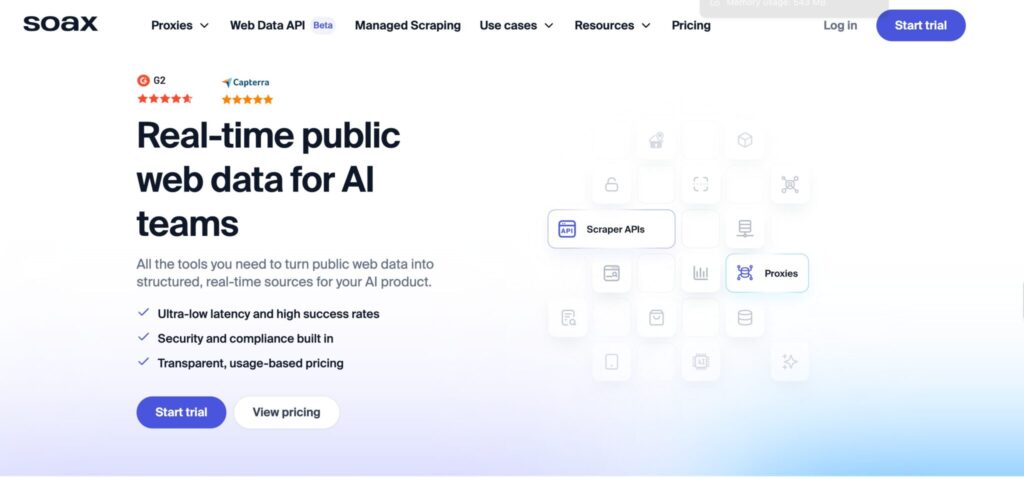
SOAX is a strong choice if your gaming workflow touches mobile-heavy ecosystems. Many modern games are mobile-first or have companion apps, rewards apps, account dashboards, and region-specific mobile experiences. In those cases, mobile and residential proxies often perform better than basic datacenter IPs.
SOAX offers residential, mobile, ISP, and datacenter options with sticky sessions and automatic rotation. That gives bot operators a good amount of flexibility. For gaming bots, the practical value is simple: you can keep an IP stable for a controlled session, then rotate when you need a fresh location or identity for the next test cycle.
SOAX also offers granular targeting, which helps when you need to test access from a specific country, city, or network type. That can be useful for checking regional game pricing, server routing, language variants, or promotion availability.
The tradeoff is pricing. SOAX is not the cheapest when you scale bandwidth. It works best when you know exactly what you need and avoid waste.
Pro-Tip: For mobile game testing, use fewer high-quality mobile IPs with longer sessions instead of aggressive rotation. It usually looks cleaner and performs better.
5. IPRoyal: Best Budget-Friendly Proxy Option
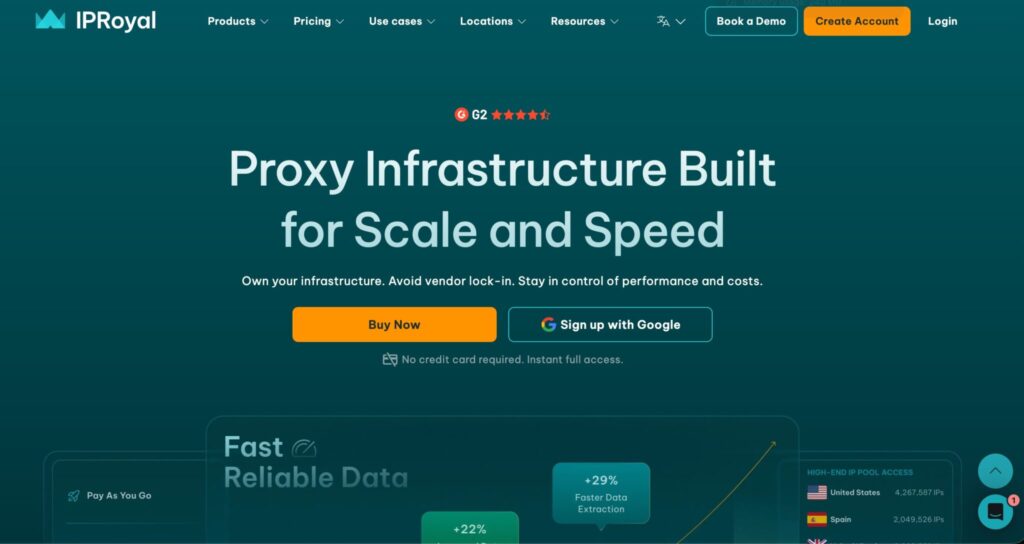
IPRoyal is a practical pick for users who want decent quality without spending like an enterprise team. It offers residential, ISP, mobile, and datacenter proxies, and its session controls are useful for bot workflows that need custom rotation behavior.
The best part about IPRoyal is flexibility. You can start small, test your bot setup, and scale only when the workflow proves stable. For gaming bots, this is useful because not every task needs premium residential traffic. Some basic checks can run through datacenter or ISP proxies. More sensitive account sessions may need residential or mobile IPs.
IPRoyal’s sticky session TTL control is helpful. A bot that rotates IP every request may fail quickly if the target expects a stable session. With IPRoyal, you can keep sessions steady for longer tasks and rotate only between accounts or test cycles.
It may not match Bright Data or Oxylabs in enterprise tooling, but for smaller gaming bot projects, it offers strong value.
Pro-Tip: Start with ISP proxies before jumping to residential. ISP proxies often give a better speed-to-trust ratio for gaming-related automation.
6. NetNut: Best For Scaling Residential Bot Traffic
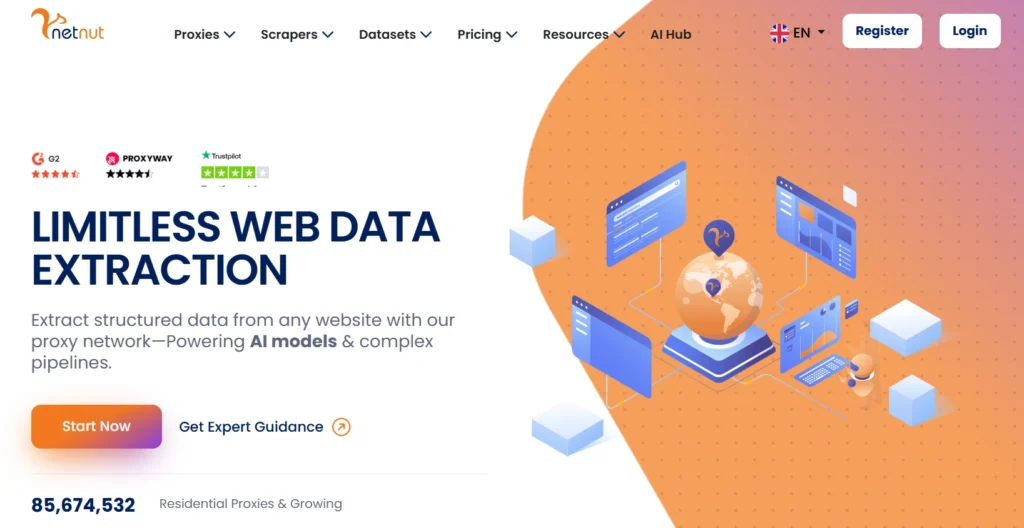
NetNut is built for users who need large residential and mobile coverage. For gaming bot use cases, it fits teams that run bigger workflows and need fewer interruptions from IP blocks or weak peer availability.
One of NetNut’s strengths is its residential network model and large coverage. It supports HTTP, HTTPS, and SOCKS5, which matters because some bot frameworks and automation tools work better with SOCKS5 than plain HTTP proxies.
NetNut is a good fit for gaming market monitoring, region checks, and high-volume account environment testing where residential quality matters. It is less ideal if you want a cheap entry point or a very beginner-friendly dashboard.
The pricing can feel high for small users, but that is common with providers built for scale. If you are running serious volume and want stable access, NetNut is worth testing.
Pro-Tip: Use NetNut for higher-volume residential routing, but keep bandwidth rules strict. Large bot fleets can burn traffic quickly.
7. Webshare: Best Low-Cost Option For Testing
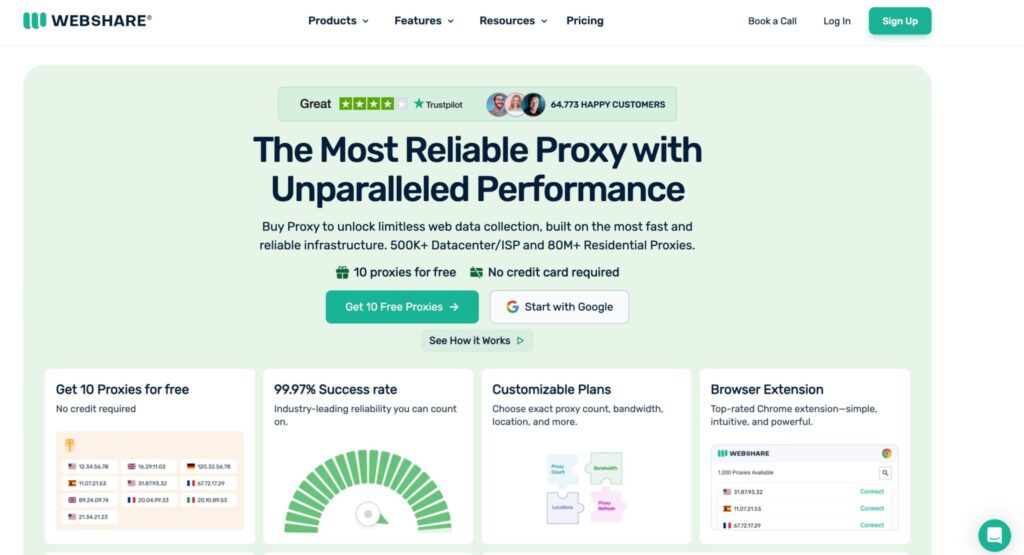
Webshare is one of the best choices for users who want to test gaming bot proxy setups without committing to expensive plans. It offers datacenter, static residential, and rotating residential proxies, with affordable entry pricing.
For gaming bots, Webshare works best for early-stage experiments, low-risk automation, and performance testing. Its datacenter proxies are fast and cheap, which is helpful when you are checking whether your bot logic works before moving to premium proxies.
Static residential proxies can be useful for sessions that need a consistent identity. Rotating residential proxies are better for distributed checks, but you need to manage rotation carefully.
The limitation is support and advanced tooling. Webshare is not as hands-on as premium providers. If you need enterprise guidance or deep troubleshooting, Bright Data, Oxylabs, or Decodo may be better.
Pro-Tip: Use Webshare datacenter proxies for bot development. Move to ISP or residential proxies only after the workflow is stable.
8. Rayobyte: Best For Dedicated Static Proxy Workflows
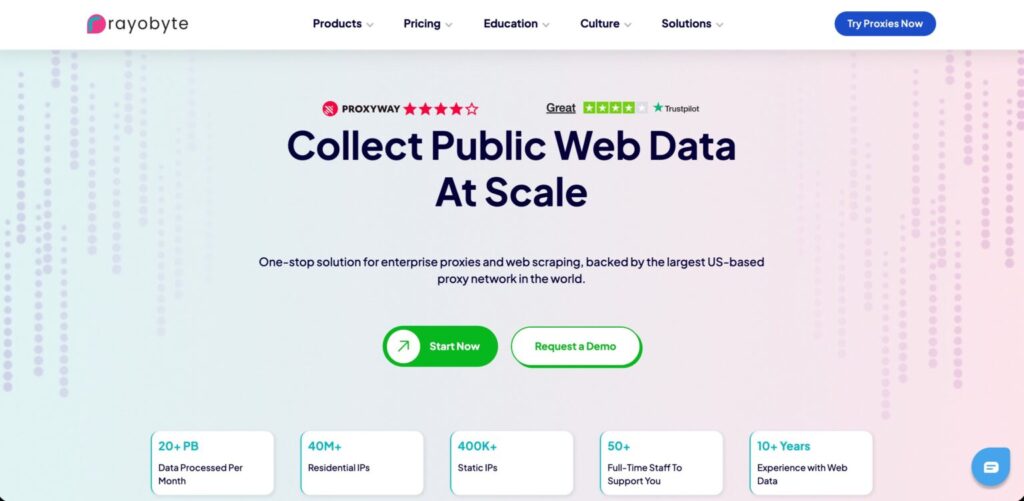
Rayobyte is a solid option for users who prefer dedicated proxy setups, especially datacenter and ISP proxies. It is useful when your gaming bot needs stable long-running sessions rather than constant IP changes.
Dedicated datacenter proxies can be fast, predictable, and easier to manage. For tasks like server status checking, launcher monitoring, basic automation, or testing from fixed regions, Rayobyte can be a strong fit.
Its ISP proxies are more useful when you need a better trust profile than standard datacenter IPs but still want speed and consistency. That makes them a practical choice for account-based workflows where random rotation would be harmful.
Rayobyte may not be the first pick for massive residential rotation, but it performs well for static, controlled bot setups.
Pro-Tip: If your bot has to stay logged in for hours, choose static ISP proxies over rotating residential proxies.
9. ProxyEmpire: Best For Geo-Targeted Gaming Bot Tasks
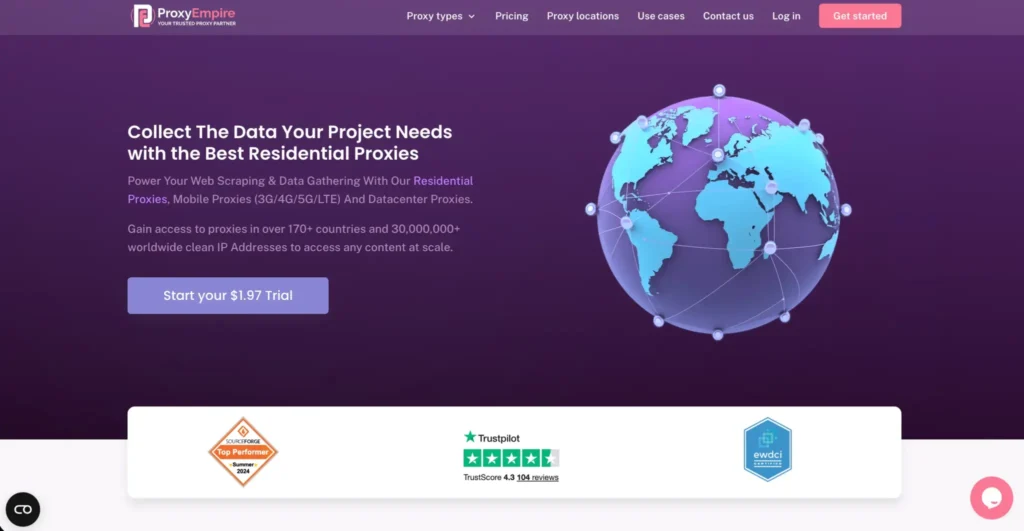
ProxyEmpire is worth considering if your gaming bot project depends heavily on geo-targeting. It offers residential, mobile, and datacenter proxies with rotating and sticky session options.
For gaming bots, this is useful when you need to test game stores, offers, server visibility, language settings, or region-specific availability. You can route traffic by country, city, or ISP depending on the plan and proxy type.
ProxyEmpire also supports sticky sessions, which helps avoid the classic mistake of changing IPs mid-session. That matters for account dashboards, game launchers, and any web flow where the platform expects continuity.
It is not always the cheapest, and performance can vary by region, so testing is important. But for geo-focused gaming workflows, it gives you the controls you need.
Pro-Tip: Always benchmark proxies in the target region before scaling. A provider can be fast in the US but average in smaller regions.
How To Choose The Best Proxies For Gaming Bots
Choose Proxy Type Based On Bot Sensitivity
Do not buy residential proxies for every task. That is expensive and often unnecessary.
Use datacenter proxies for simple checks, test runs, and low-sensitivity workflows. Use ISP proxies for stable account sessions where speed and trust both matter. Use residential proxies for broader location coverage. Use mobile proxies only when the workflow specifically needs carrier-grade mobile IPs.
Prioritize Sticky Sessions Over Random Rotation
Gaming bot workflows often break when IPs rotate too often. A login session should not start in Germany, continue from Brazil, and finish from Singapore. That looks unnatural and causes instability.
Sticky sessions keep the same IP for a set period. For account-based tasks, this is usually better than per-request rotation.
Check SOCKS5 Support
SOCKS5 is useful for gaming tools because it handles more traffic types than basic HTTP proxies. Not every workflow needs it, but if your bot framework supports SOCKS5, it is worth choosing a provider that offers it.
Measure Latency, Not Just Success Rate
A proxy can technically work and still be terrible for gaming bots. High latency creates timeouts, failed actions, and slow queues. Test ping, response time, and session stability before buying a large plan.
Match IP Pool Size With Real Needs
A huge IP pool sounds impressive, but quality matters more. For gaming bots, 500 clean, stable, well-targeted IPs can beat a massive pool with inconsistent performance.
Avoid Free Public Proxies
Free proxies are usually slow, abused, unstable, and unsafe. They can leak data, fail often, or carry a bad reputation. For any serious bot workflow, they are not worth the risk.
FAQs About Gaming Bot Proxies
1. What are the best proxies for gaming bots?
The best options are usually ISP proxies for stable account sessions, residential proxies for geo-testing, and mobile proxies for mobile game workflows. Bright Data, Oxylabs, Decodo, SOAX, IPRoyal, NetNut, Webshare, Rayobyte, and ProxyEmpire are strong choices depending on budget and use case.
2. Are residential proxies good for gaming bots?
Yes, residential proxies are useful when you need real-user IP reputation and location diversity. They are not always the fastest, so they are best for sensitive workflows rather than every bot task.
3. Are datacenter proxies good for gaming bots?
Datacenter proxies are fast and cheap, but easier to flag on strict platforms. They work best for basic testing, server checks, and low-risk automation.
4. Should I use rotating or sticky proxies?
Use sticky proxies for logins and account sessions. Use rotating proxies for distributed checks, public data collection, or workflows where each request can stand alone.
5. Do gaming bots need SOCKS5 proxies?
Not always, but SOCKS5 support is useful for many automation tools. It gives more flexibility than HTTP-only proxies.
6. Can proxies reduce gaming bot bans?
Good proxies can reduce network-related problems, but they cannot make unsafe automation safe. Poor bot behavior, rule violations, bad fingerprints, and suspicious activity can still lead to restrictions.
7. How many proxies do I need for gaming bots?
It depends on session count. A safe starting point is one sticky IP per active account session. For non-account checks, you can use a smaller rotating pool.
8. What is the best budget proxy for gaming bots?
Webshare and IPRoyal are good budget-friendly options. Webshare is strong for testing, while IPRoyal gives more flexibility across proxy types.
Final Verdict
The best proxies for gaming bots depend on what your bot actually does. For premium reliability, choose Bright Data or Oxylabs. For the best balance, Decodo is hard to ignore. For mobile-heavy testing, SOAX is a strong pick. For smaller budgets, IPRoyal and Webshare make sense. For dedicated static sessions, Rayobyte is practical. For larger residential scale, NetNut works well. For geo-targeted tasks, ProxyEmpire deserves a look.
The smartest setup is usually mixed: datacenter proxies for development, ISP proxies for stable sessions, residential proxies for geo-sensitive tasks, and mobile proxies only when mobile identity is required. That keeps costs under control while giving your bot stack the network quality it needs.