
Streaming looks simple from the outside. You click play, the video loads, and everyone is happy. Behind that smooth experience sits a messy stack of location checks, IP reputation filters, CDN routing, device fingerprinting, payment region rules, and traffic behavior analysis.
That is why choosing proxies for streaming services is not the same as buying random cheap IPs. A fast proxy is not always a good streaming proxy.
A huge IP pool is not always useful if the IPs are burned. A residential proxy may look natural, but it can still fail if sessions rotate too often.
This guide is for professionals who need proxies for streaming QA, regional availability testing, ad verification, app testing, network diagnostics, and legitimate access checks.
Always follow the streaming platform’s terms, copyright rules, and local laws. Many platforms restrict VPN or proxy usage, so treat proxies as a testing and privacy tool, not a shortcut around licensing rules.
Quick Comparison Table: Best Proxies For Streaming Services
| Proxy Provider | Best For | Proxy Types | IP Pool Size | Rotation Control | Streaming Fit | Main Drawback |
|---|---|---|---|---|---|---|
| Bright Data | Enterprise streaming QA | Residential, mobile, ISP, datacenter | 400M+ residential IPs | Advanced sticky and rotating sessions | Excellent for testing at scale | Expensive for small teams |
| Oxylabs | Large teams and data-heavy testing | Residential, mobile, ISP, datacenter | 175M+ residential IPs | Strong session and geo controls | Very strong for regional checks | Higher cost |
| Decodo | Balanced price and performance | Residential, mobile, ISP, datacenter | 125M+ IPs | Easy sticky sessions and rotating setup | Great for mid-sized users | Less enterprise-heavy than Bright Data |
| SOAX | Precise geo-targeting | Residential, mobile, ISP, datacenter | 191M+ IPs | Flexible rotation and location control | Strong for city-level testing | Plans may feel complex |
| NetNut | Low-latency business use | Residential, mobile, ISP, datacenter | 85M+ residential IPs | Sticky and rotating options | Good for stable streaming tests | Less beginner-focused |
| IPRoyal | Budget-conscious buyers | Residential, ISP, mobile, datacenter | 32M+ residential IPs | Custom session TTL | Good value for smaller projects | Smaller pool than enterprise providers |
| Webshare | Affordable static IP use | Datacenter, static residential, rotating residential | Large pool across proxy types | Simple dashboard controls | Good for basic testing | Not as advanced for streaming workflows |
| Rayobyte | US-focused teams and long-running sessions | Residential, ISP, datacenter | 40M+ residential IPs | Rotating and static options | Good for US-heavy testing | Global depth varies by product |
What Makes A Proxy Good For Streaming Services?
A streaming-friendly proxy needs four things: clean IP reputation, stable bandwidth, accurate location targeting, and predictable sessions.
Residential and ISP proxies usually perform better than cheap datacenter proxies because they look closer to normal home internet traffic. ISP proxies are especially useful when you need a stable IP that does not rotate every few minutes. Rotating residential proxies are better when you are testing many regions or many accounts in a controlled QA environment.
For streaming, avoid random free proxies. They are usually slow, shared heavily, poorly maintained, and risky for privacy.
Pro-Tip
For streaming service testing, start with ISP proxies for stability and use rotating residential proxies only when you need wider geo coverage. Constant rotation can break logins, playback sessions, and device verification.
1. Bright Data
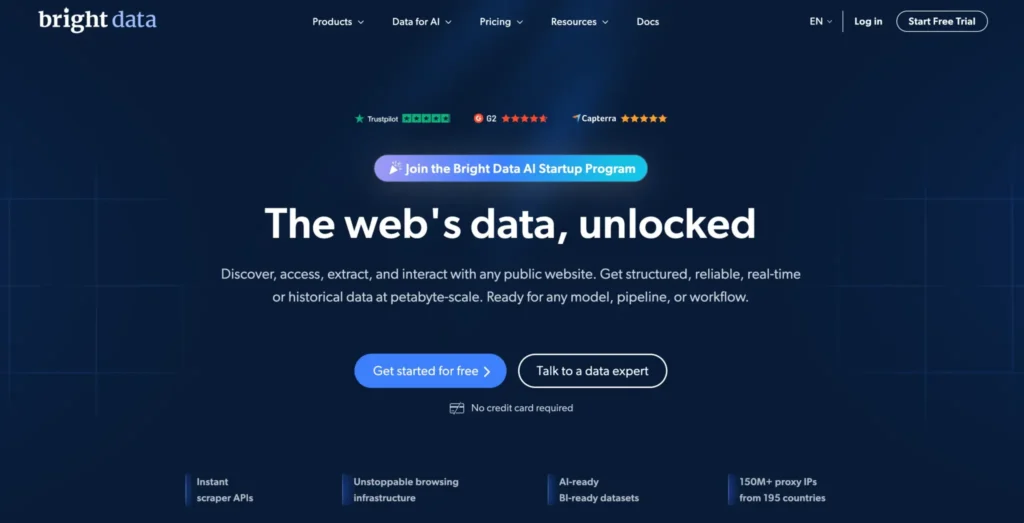
Bright Data is the heavyweight option for serious streaming QA teams. It offers one of the largest residential proxy networks on the market, with strong geo-targeting and advanced session controls.
The biggest advantage is control. You can target by country, city, ZIP code, carrier, ASN, and other location signals depending on the product. That matters when you are testing whether a streaming app shows the correct catalog, ad placement, or playback experience in different regions.
Bright Data also offers residential, mobile, ISP, and datacenter proxies. For streaming services, its residential and ISP proxies are the most useful. Residential gives you wide coverage. ISP gives you better stability for longer sessions.
It is not the cheapest provider, and beginners may find the platform more advanced than they need. Still, for enterprise teams, QA agencies, and streaming app testers, Bright Data is one of the safest picks.
Best for: Enterprise streaming QA, regional testing, ad verification, and large-scale proxy operations.
2. Oxylabs
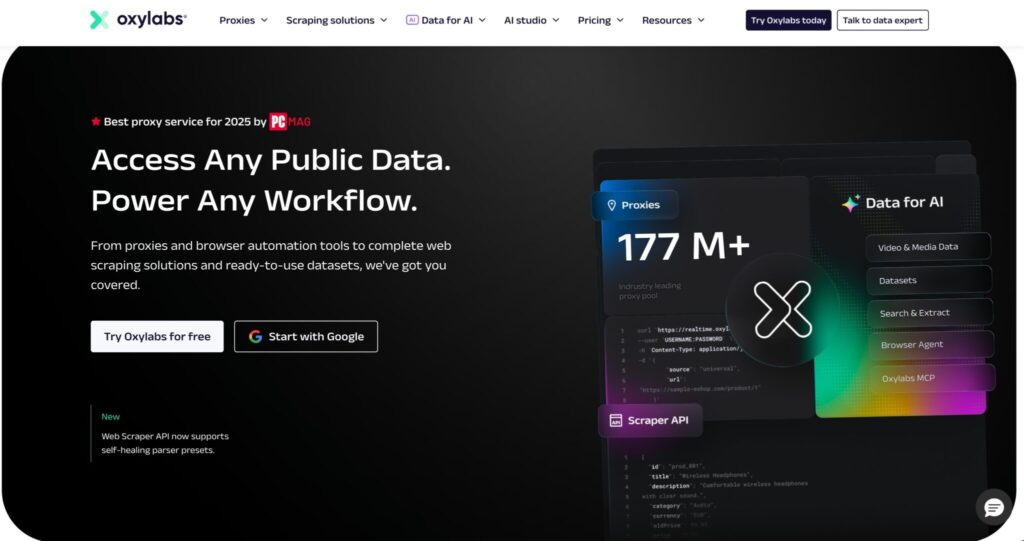
Oxylabs is built for high-volume, professional proxy work. It offers a large residential pool, strong infrastructure, mobile proxies, ISP proxies, and datacenter proxies.
For streaming service workflows, Oxylabs works best when you need reliability rather than bargain pricing. Its residential proxies are useful for testing how streaming services behave across countries. Its ISP proxies are better when you need stable playback sessions and fewer connection changes.
The dashboard is polished, the documentation is strong, and the network is suited for teams that care about performance consistency. If your use case involves automated regional checks, content availability testing, or ad verification across streaming platforms, Oxylabs is a serious option.
The tradeoff is cost. Smaller buyers may not need this much infrastructure. But if failed tests cost you time or client trust, Oxylabs earns its place.
Best for: Larger agencies, enterprise users, and teams that need stable, high-quality IP infrastructure.
3. Decodo
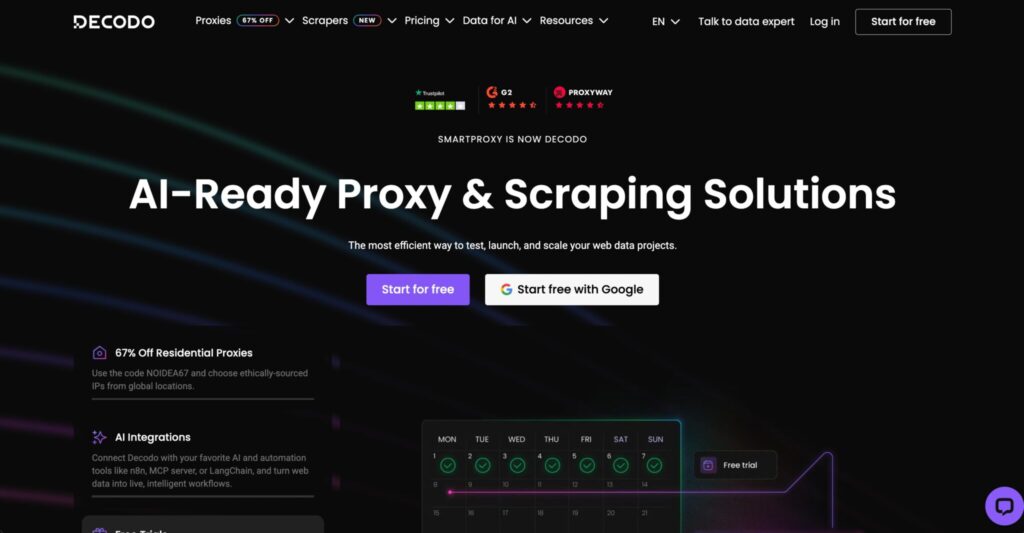
Decodo, formerly Smartproxy, is one of the most practical choices for buyers who want strong performance without jumping straight into enterprise pricing.
Its residential proxy pool is large, the dashboard is beginner-friendly, and the setup process is easier than many premium competitors. You get residential, mobile, static residential, and datacenter options, so it fits different streaming-related tasks.
For streaming service testing, Decodo is especially useful when you need a mix of rotation and sticky sessions. You can use rotating residential proxies for location checks and static residential proxies when you need a longer session that behaves more like a normal household connection.
It is not as deep as Bright Data for advanced compliance workflows, but most small to mid-sized teams will find it easier to manage.
Best for: Mid-sized teams, affiliate testers, streaming app QA, and users who want a balance between price and quality.
4. SOAX
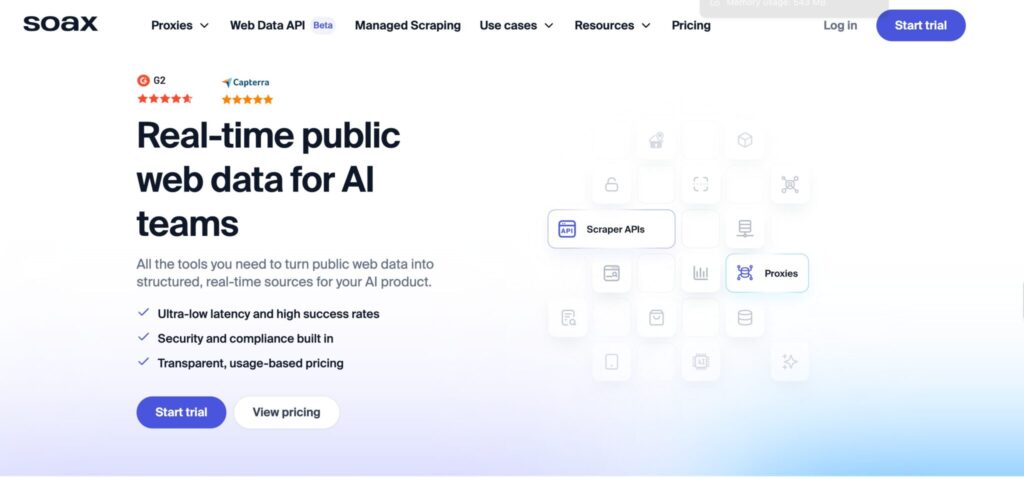
SOAX is strong when location accuracy matters. If you need city-level testing, ASN-level targeting, or clean residential routing, SOAX deserves attention.
The platform supports residential, mobile, ISP, and datacenter proxies. For streaming services, its strength is flexible geo-targeting and session control. That makes it useful for checking how content, ads, landing pages, and playback behavior change across locations.
SOAX also gives users good control over rotation behavior. This is important because streaming sessions often dislike sudden IP changes. A sticky session can keep the same IP long enough to complete login, playback, and user flow testing.
The pricing model may take a little time to understand, especially if you are comparing multiple proxy types. Still, SOAX is a polished provider with strong coverage.
Best for: Geo-targeted streaming checks, city-level QA, and teams that need flexible rotation settings.
5. NetNut
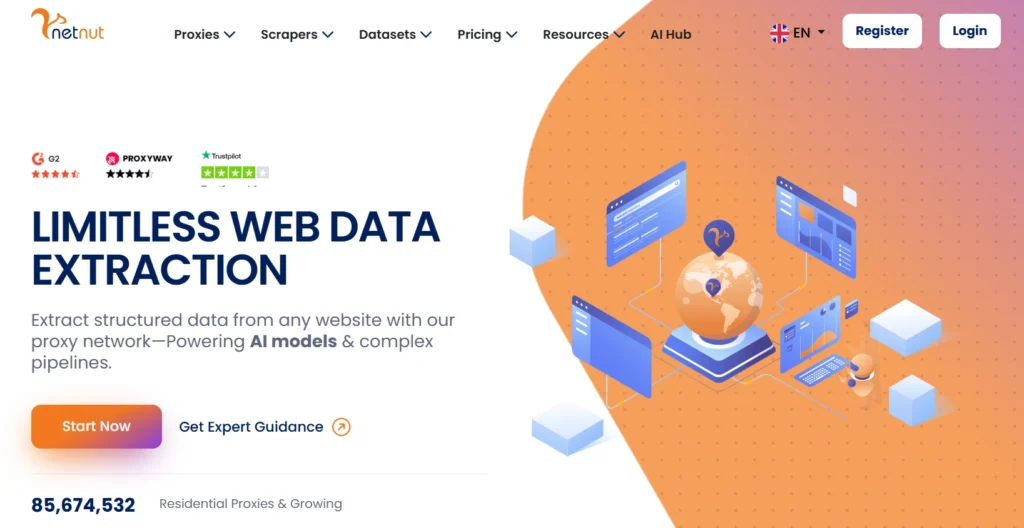
NetNut focuses on performance and business-grade proxy access. Its network includes residential, mobile, ISP, and datacenter proxies, with a strong focus on stability and speed.
For streaming-related use, NetNut is a good pick when you care about fewer connection drops. The provider’s ISP and residential products are better suited to streaming workflows than generic datacenter proxies. ISP proxies can be useful for long sessions, while residential proxies can help with wider location testing.
NetNut is not the most beginner-friendly option on this list, but it fits technical buyers well. If you are running structured tests, browser automation, or regional checks, the platform gives you enough control to build a clean workflow.
Best for: Technical teams, performance-focused testing, and stable business proxy usage.
6. IPRoyal
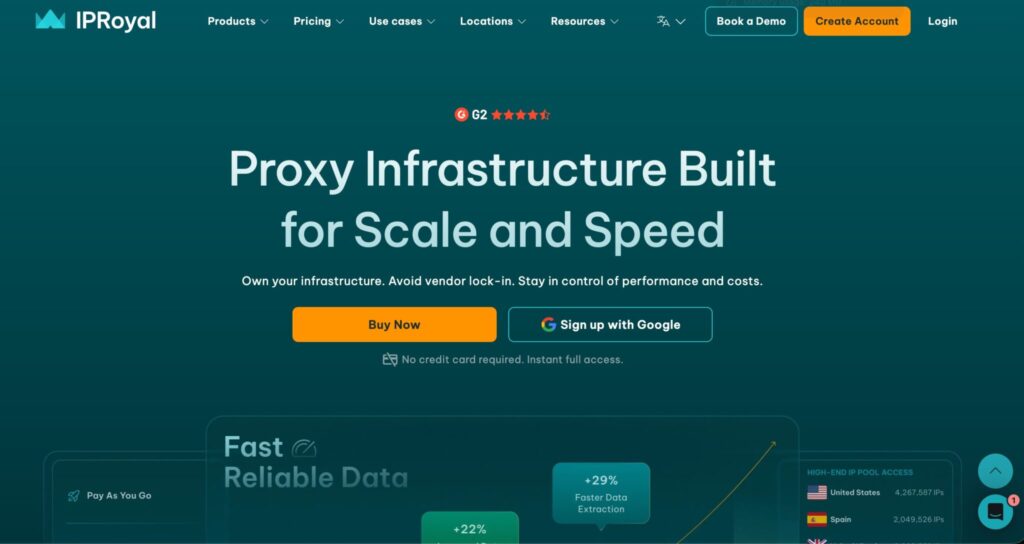
IPRoyal is a strong budget-friendly option. It offers residential, ISP, mobile, and datacenter proxies, and its traffic model is attractive for users who do not want enterprise-level monthly commitments.
For streaming service testing, IPRoyal’s residential proxies are useful for lighter regional checks. Its static residential proxies can help when you need a stable IP for longer browsing sessions. The ability to set session TTL is helpful because you can avoid aggressive rotation during playback or login testing.
It does not have the same massive infrastructure as Bright Data or Oxylabs, but it gives smaller teams access to usable proxy products without heavy pricing.
Best for: Small teams, budget buyers, freelancers, and light streaming QA.
7. Webshare
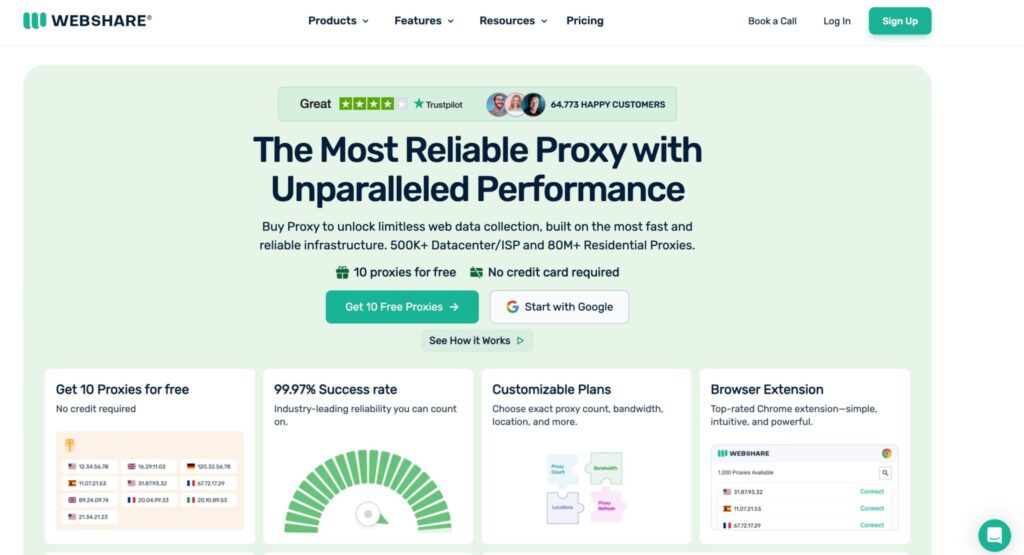
Webshare is one of the easiest proxy platforms to understand. It offers datacenter proxies, static residential proxies, and rotating residential proxies through a simple dashboard.
For streaming-related workflows, Webshare’s static residential proxies are the most interesting. They are designed for stability and speed, which makes them better for long sessions than constantly rotating residential IPs.
The platform is affordable and easy to start with. It is not packed with advanced testing tools, but that is part of the appeal. If you only need basic proxy routing, browser testing, or static IP access, Webshare is a clean choice.
Best for: Beginners, low-cost testing, simple proxy setups, and static residential use.
8. Rayobyte
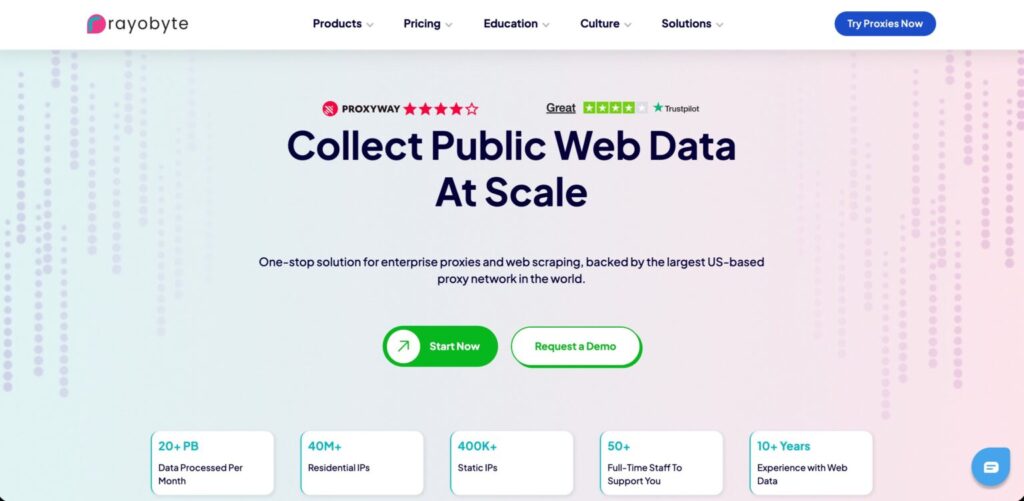
Rayobyte is a solid provider for teams that need residential, ISP, and datacenter proxies, with a strong US presence. It is especially useful for buyers who want long-running sessions and business-friendly support.
Its residential network is large enough for most testing needs, while its ISP and datacenter products can support stable workflows. For streaming services, Rayobyte works well when your testing is focused on US regions, performance checks, or controlled browser sessions.
It may not be the first choice for ultra-granular global geo-targeting, but it is reliable for teams that value support and practical setup.
Best for: US-heavy streaming checks, long-running sessions, and teams that want a reliable support-backed provider.
How To Choose Proxies For Streaming Services
1. Choose The Right Proxy Type
Residential proxies are best for realistic regional testing. ISP proxies are best for stable long sessions. Mobile proxies are useful for testing mobile-only streaming behavior. Datacenter proxies are fast and cheap, but they are easier to detect and often less suitable for streaming platforms.
2. Check IP Pool Quality, Not Just Pool Size
A provider may advertise millions of IPs, but the real question is how many clean IPs are available in your target country. For streaming QA, a smaller pool with clean, stable IPs can beat a huge pool with poor reputation.
3. Use Sticky Sessions For Playback
Streaming does not like chaos. If your proxy rotates during login or video playback, the service may trigger verification, block playback, or end the session. Use sticky sessions for 10 to 30 minutes when testing real playback flows.
4. Use Rotation For Region Checks
Rotation is useful when checking multiple locations, catalog differences, ad delivery, or availability signals. Use per-request rotation for quick checks, but avoid it during video playback.
5. Look For HTTP, HTTPS, And SOCKS5 Support
HTTPS is enough for most browser-based streaming tests. SOCKS5 gives more flexibility for apps, devices, and non-browser tools. If you are testing smart TV apps, mobile apps, or custom network flows, SOCKS5 support can be valuable.
6. Test Latency Before Scaling
Do not buy a large plan before testing speed. Run small tests in your target regions first. Check connection time, buffering behavior, dropped sessions, and whether the IP region matches the service region.
7. Read The Compliance Rules
Streaming platforms often restrict proxy and VPN access. Use proxies for legitimate testing, privacy, and QA. Do not use them to break licensing rules, bypass paid access, or abuse account systems.
Pro-Tips For Better Streaming Proxy Performance
Use one proxy identity per test session. Mixing multiple accounts on one IP can damage reputation fast.
Match the proxy country with account, payment, device timezone, and browser language when doing QA checks.
Avoid free proxy lists. They are slow, crowded, and often already blocked.
For stable playback tests, ISP proxies usually beat rotating residential proxies.
For large regional checks, rotating residential proxies give better coverage.
Always test during peak streaming hours, not only during quiet hours.
Track proxy performance by country. A provider can perform well in the US but poorly in Brazil, Japan, or Germany.
FAQs About Proxies For Streaming Services
1. What are the best proxies for streaming services?
The best proxies for streaming services are usually residential and ISP proxies from providers like Bright Data, Oxylabs, Decodo, SOAX, NetNut, IPRoyal, Webshare, and Rayobyte. ISP proxies are better for stable sessions, while residential proxies are better for broad location testing.
2. Are residential proxies better than datacenter proxies for streaming?
Yes, in most cases. Residential proxies use IPs linked to real internet service providers, so they usually look more natural than datacenter IPs. Datacenter proxies are faster and cheaper, but they are easier for streaming platforms to flag.
3. Should I use rotating proxies for streaming?
Use rotating proxies for location checks, catalog testing, and ad verification. Do not rotate IPs during active playback unless your test requires it. Sticky sessions are safer for login and video playback flows.
4. What is an ISP proxy?
An ISP proxy, also called a static residential proxy, uses an IP issued by an internet service provider but hosted on stable infrastructure. It combines residential trust with better speed and uptime.
5. Can proxies improve streaming speed?
Not usually. A proxy adds another network hop, so it can reduce speed if the provider is poor. High-quality ISP or residential proxies can help testing workflows, but they are not a magic fix for bad internet.
6. Are free proxies good for streaming?
No. Free proxies are usually overloaded, slow, unsafe, and frequently blocked. They are also risky for privacy because you do not know who controls the server.
7. Which proxy type is best for smart TV or mobile app testing?
SOCKS5 residential, ISP, or mobile proxies are better for app and device testing. Browser-only tests can usually run on HTTPS proxies.
8. What should I test before buying a proxy plan?
Test IP location accuracy, speed, session stability, playback behavior, block rate, dashboard controls, and support response time. A small trial can save you from wasting money on the wrong network.
Final Verdict
Bright Data is the best pick for enterprise streaming QA. Oxylabs is excellent for large teams that need stable, premium infrastructure. Decodo gives the best balance for most mid-sized users. SOAX is great for precise location targeting. NetNut fits technical teams that care about performance.
IPRoyal is a strong budget option. Webshare is simple and affordable. Rayobyte works well for US-focused testing.
For most buyers, the smartest setup is simple: use ISP proxies for stable playback sessions and rotating residential proxies for regional checks. That combination gives you better control, cleaner data, and fewer failed tests.