
Streaming accounts are sensitive. One strange login location, one unstable IP, or one low-quality proxy can trigger verification, playback errors, payment checks, or temporary account locks.
That is why choosing proxies for streaming accounts is not just about speed. It is about IP reputation, session stability, location control, and using the right proxy type for the right job.
This guide focuses on legitimate use cases: managing your own streaming accounts while traveling, testing streaming apps across regions, checking ad placements, monitoring account access for a team, or improving privacy on public networks.
It is not a guide for fake accounts, stolen credentials, or breaking platform rules. A good proxy should keep your connection clean and predictable, not make your activity look suspicious.
Quick Verdict: Best Proxies For Streaming Accounts
If you want the safest setup for streaming account stability, start with static residential or ISP proxies. They give you a consistent IP that looks closer to a normal home connection. If you need regional testing, rotating residential proxies are better. If mobile app behavior matters, mobile proxies make sense, but they cost more and usually have higher latency.
Here are the strongest options worth considering.
Best Proxies For Streaming Accounts
1. Bright Data: Best Enterprise Proxy Network for Streaming Account Testing
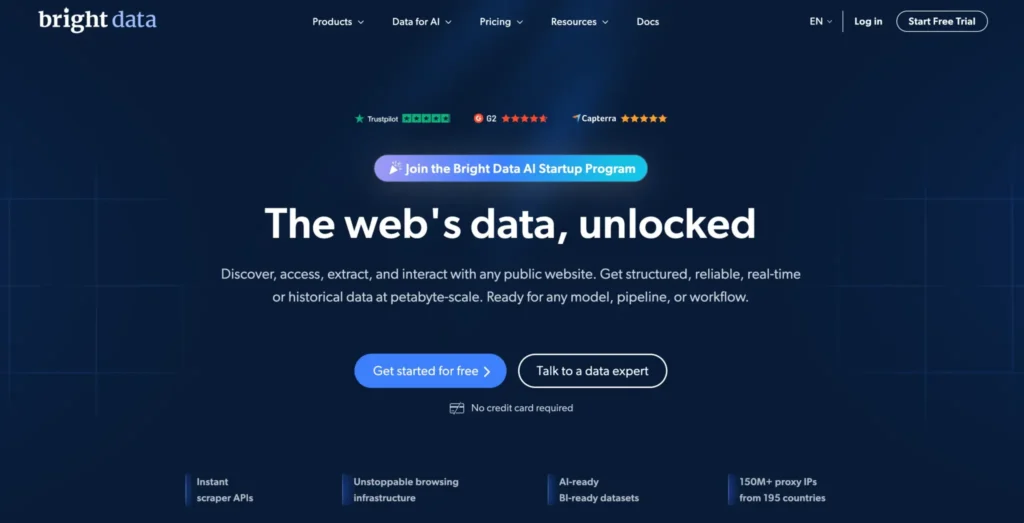
Bright Data is built for teams that need control, scale, and compliance. Its residential network is huge, covering 195 countries with city, state, ZIP, and ASN targeting. That level of targeting matters when you are testing login flows, account access behavior, content availability, or localized streaming pages.
For streaming accounts, Bright Data works best when you need clean residential routing and strict control over sessions. You can use rotating residential proxies for location testing, while ISP or datacenter options may fit internal QA tasks where speed matters more than residential authenticity.
The dashboard is powerful, but beginners may find it heavy. Bright Data is not the cheapest option, and its compliance process can feel more formal than budget providers. That is also part of the reason larger companies trust it.
Best for: enterprise streaming QA, location testing, ad verification, account monitoring, compliance-first teams.
Pro Tip: Use sticky residential sessions when logging into real accounts. Constant IP rotation during login and playback can look unnatural.
2. Oxylabs: Best Premium Proxy Provider for Scale and Reliability
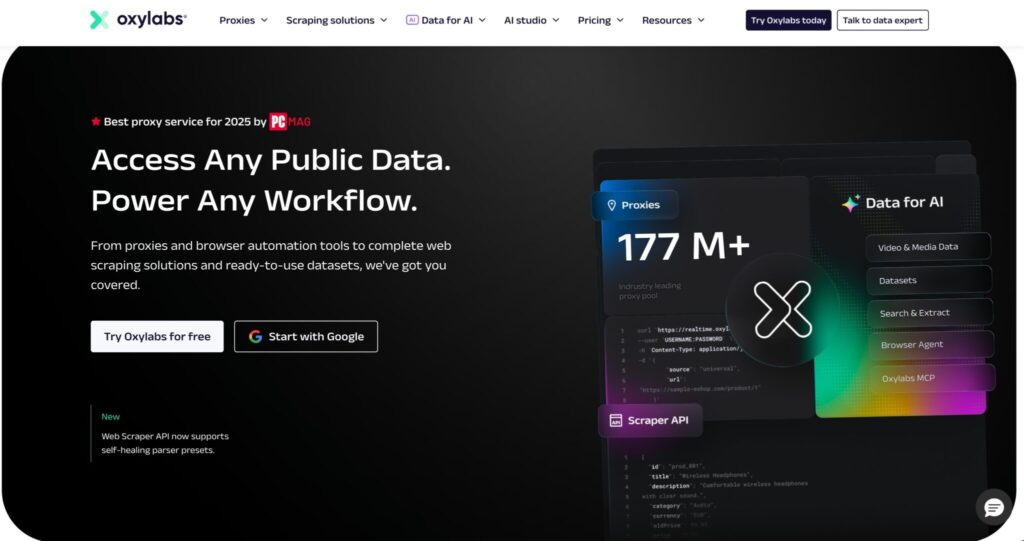
Oxylabs is another premium provider with a strong reputation in the proxy market. It offers residential, mobile, ISP, and datacenter proxies, making it suitable for larger streaming workflows where one proxy type is not enough.
For streaming accounts, Oxylabs is strongest when you need dependable infrastructure and support. Its residential proxies are useful for account access testing, while mobile proxies can help test app behavior on carrier-grade networks. ISP proxies are worth considering if you need stable sessions with better speed than typical rotating residential pools.
The pricing is higher than budget providers, but the product feels polished. Support, documentation, and targeting options are strong, which matters if you are not just buying proxies for casual browsing.
Best for: agencies, enterprise QA, high-volume account testing, streaming app research.
Pro Tip: Use Oxylabs ISP proxies for long sessions where the same account needs to stay connected from the same region.
3. Decodo: Best Overall Value for Streaming Account Use
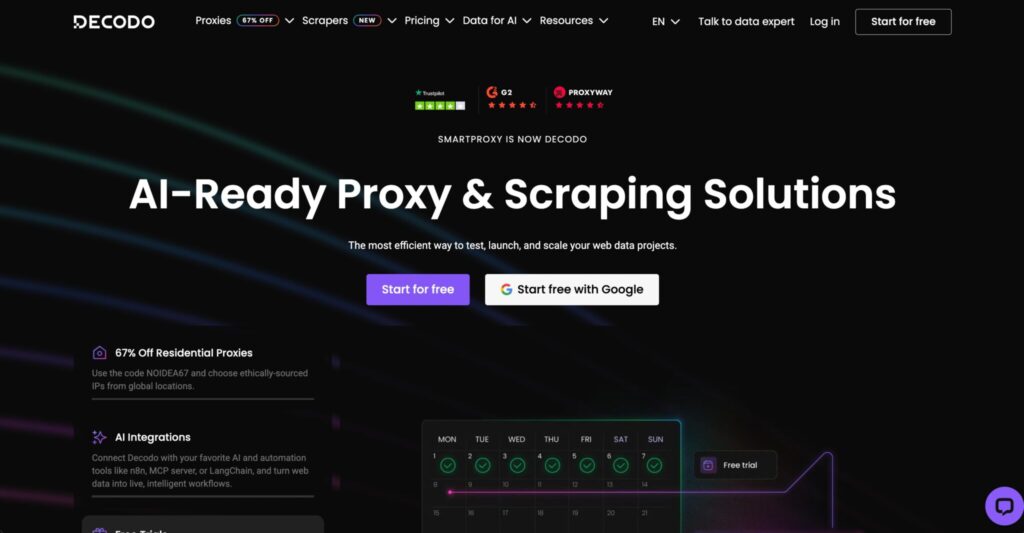
Decodo, formerly Smartproxy, has become one of the most balanced choices in the proxy space. It offers residential, ISP, mobile, and datacenter proxies with a clean dashboard and beginner-friendly setup. For many users, it sits in the sweet spot between price, performance, and ease of use.
For streaming accounts, Decodo’s residential proxies are useful for regional access testing and privacy. Its ISP proxies are better for account stability because they give you a more consistent identity. If you are managing a few owned accounts and want fewer technical headaches, Decodo is easier to start with than Bright Data or Oxylabs.
It also supports sticky sessions, which is important. You do not want your streaming account jumping from one IP to another during login, playback, and payment checks.
Best for: small teams, affiliate testers, streaming marketers, account managers, beginners who still want quality.
Pro Tip: Do not use “rotate every request” for streaming accounts. Pick session-based rotation or static ISP proxies.
4. SOAX: Best for Precise Geo Targeting
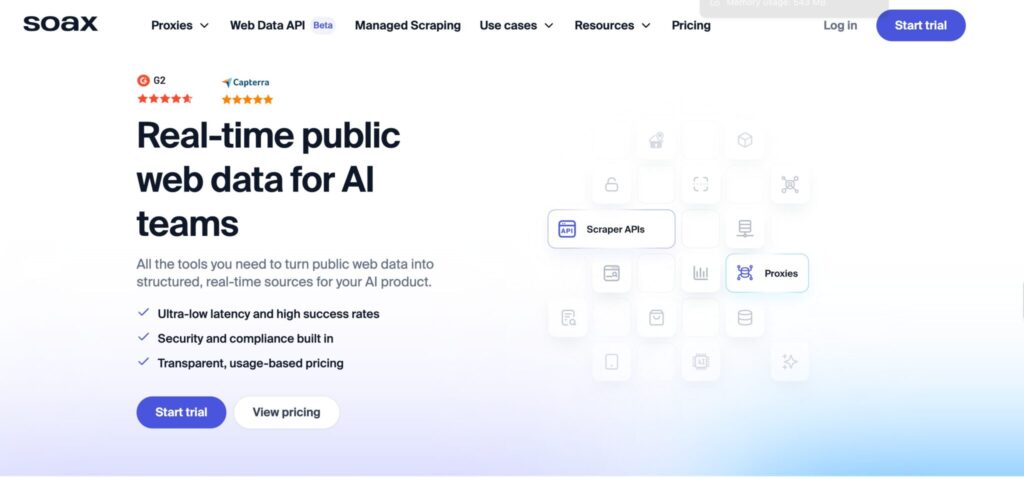
SOAX is strong when location accuracy matters. It offers residential, mobile, ISP, and datacenter proxies under flexible plans. For streaming account work, its biggest advantage is targeting depth. You can test by country, city, ISP, and connection type depending on the product.
This is useful for teams checking how streaming platforms behave in specific regions. For example, a QA team may want to confirm whether login pages, language settings, localized pricing, or ad placements show correctly.
SOAX also has a clean interface and strong filtering, but it can be slightly more expensive than budget-first tools. It is better for users who care about precision instead of simply finding the lowest price per GB.
Best for: geo testing, app QA, localized streaming checks, mobile-heavy workflows.
Pro Tip: For streaming apps, test both residential and mobile IPs. Some mobile app flows behave differently on carrier networks.
5. NetNut: Best for Stable Residential Performance
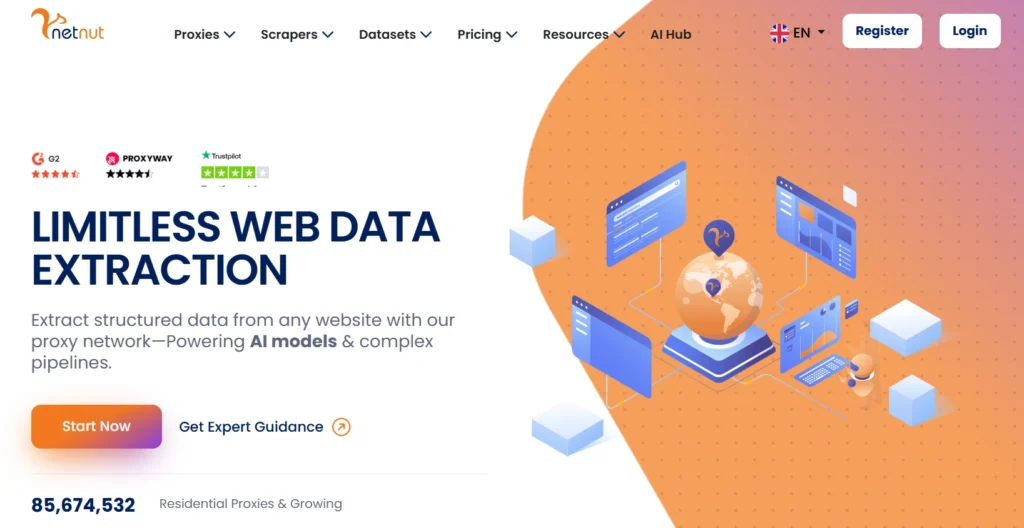
NetNut is known for direct ISP connectivity and strong residential proxy infrastructure. That makes it interesting for streaming account use because stability is often more valuable than endless IP rotation.
Its rotating residential proxies cover many countries and support HTTP, HTTPS, and SOCKS5. NetNut also offers static residential options, which can be useful when you want long account sessions without frequent IP changes.
The pricing is not always the lowest, especially at smaller volumes. NetNut fits better when you need stable, business-grade proxy performance rather than cheap testing traffic.
Best for: stable residential sessions, business users, account access monitoring, long-session workflows.
Pro Tip: If your account regularly asks for verification, your issue may not be the proxy alone. Check browser fingerprint, device consistency, DNS leaks, and login frequency.
6. IPRoyal: Best Budget-Friendly Residential Proxy Option
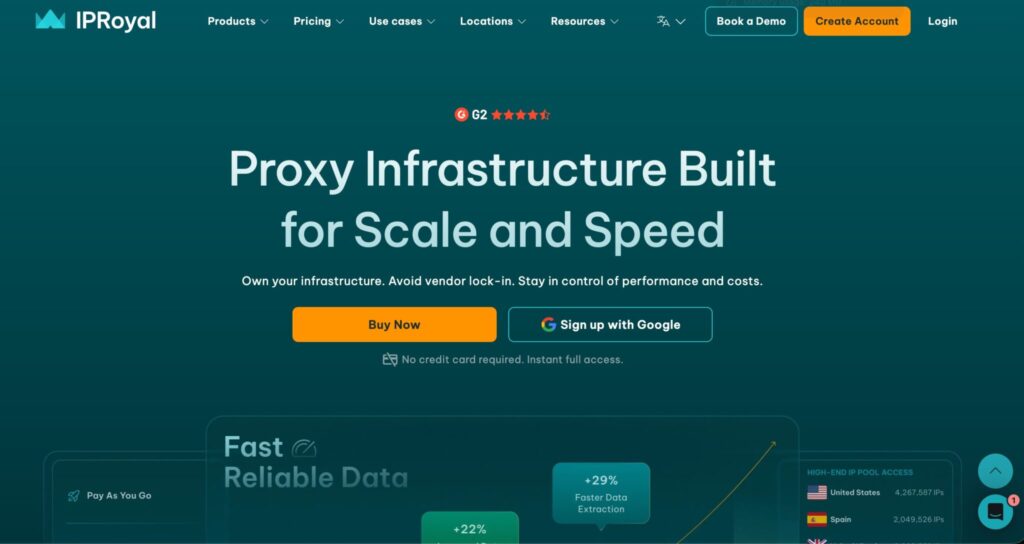
IPRoyal is a good pick when cost matters but you still want residential IPs instead of random free proxies. It offers residential, ISP, mobile, and datacenter proxies, with flexible pay-as-you-go style pricing.
For streaming accounts, IPRoyal is useful for smaller projects, basic regional checks, and personal privacy use. The residential pool is not as large as Bright Data or Oxylabs, but the pricing makes it easier to test without a big monthly commitment.
The interface is simple, and setup is beginner friendly. If you are running a large business workflow, you may eventually outgrow it. For smaller account management tasks, it offers solid value.
Best for: budget users, small streaming projects, beginners, low-volume account access.
Pro Tip: Avoid buying the cheapest proxy plan without checking country availability. The right region matters more than the lowest GB price.
7. Webshare: Best Low-Cost Proxy Dashboard for Beginners
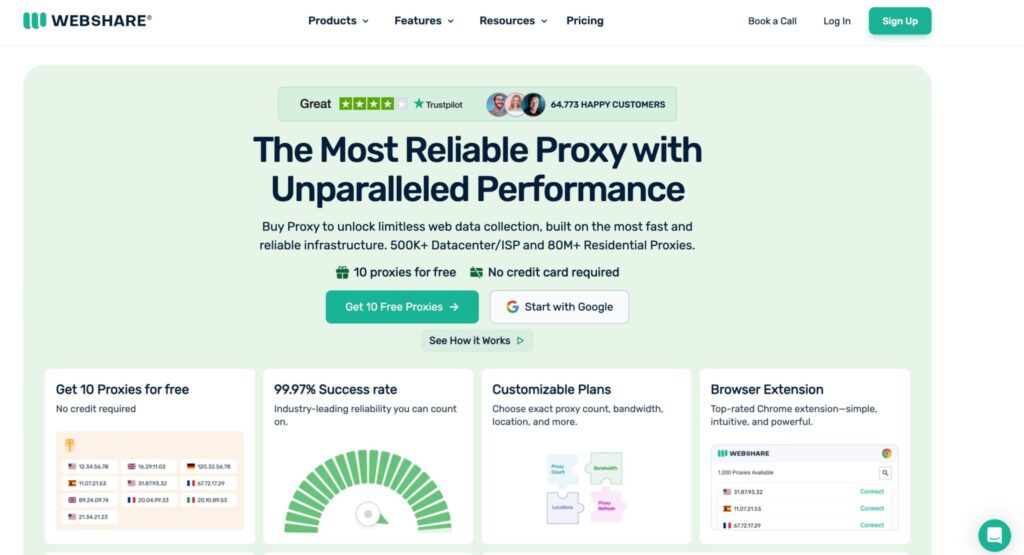
Webshare is popular because it is simple, affordable, and easy to manage. It offers datacenter, static residential, and rotating residential proxies. Its dashboard is one of the easier ones for beginners, and the free proxy option helps users understand how proxy lists work before paying.
For streaming accounts, Webshare’s static residential proxies are more relevant than shared datacenter proxies. Datacenter IPs are fast, but they are often easier for streaming platforms to classify as non-home connections. Static residential proxies give you better consistency.
Webshare is not as feature-heavy as Bright Data or Oxylabs, but not every buyer needs enterprise tooling. If your needs are light and you want a clean dashboard, Webshare is practical.
Best for: beginners, small teams, static residential access, low-cost testing.
Pro Tip: Do not use free proxies for streaming accounts. Free proxies are unstable, crowded, and risky for login-based services.
8. PacketStream: Best Cheap Residential Traffic for Light Testing
PacketStream is known for simple residential proxy pricing. It is not as advanced as premium providers, but it can work for light testing where budget is the main concern.
For streaming account use, PacketStream should be treated carefully. It may be fine for general location checks or simple browsing tests, but it is not the first option I would choose for important account logins. The tooling, support, and control are more limited than stronger business-focused providers.
Use it when you need affordable residential bandwidth and can tolerate more variability.
Best for: low-budget tests, lightweight research, non-critical browsing.
Pro Tip: Never test important paid accounts first on low-cost shared networks. Use a test account before connecting real accounts.
Streaming Proxy Comparison Table
| Provider | Best For | Proxy Types | Streaming Account Fit | Rotation Control | Key Strength | Watchout | Starting Price Style |
|---|---|---|---|---|---|---|---|
| Bright Data | Enterprise testing | Residential, ISP, mobile, datacenter | Excellent for QA and geo testing | Strong sticky and rotating options | Huge pool and targeting | Expensive for beginners | Per GB and plans |
| Oxylabs | Premium reliability | Residential, ISP, mobile, datacenter | Excellent for scale | Strong session control | Enterprise-grade network | Higher cost | Per GB and plans |
| Decodo | Best overall value | Residential, ISP, mobile, datacenter | Great for small and mid teams | Sticky and rotating sessions | Easy dashboard | Some plans suit volume users better | Low entry residential plans |
| SOAX | Geo precision | Residential, ISP, mobile, datacenter | Great for region-specific tests | Flexible controls | City, ISP, and mobile targeting | Not the cheapest | Bundled GB plans |
| NetNut | Stable sessions | Residential, static residential, mobile | Strong for long sessions | Good rotation options | Direct ISP-style stability | Premium pricing at scale | Monthly GB plans |
| IPRoyal | Budget residential | Residential, ISP, mobile, datacenter | Good for small projects | Sticky available | Affordable entry | Smaller ecosystem | Pay as you go |
| Webshare | Beginner dashboard | Datacenter, static residential, residential | Good for basic account use | Simple controls | Affordable and easy | Less advanced tooling | Free and paid plans |
| PacketStream | Cheap testing | Residential | Fair for light checks | Basic | Low cost | Less control and support | Flat per GB model |
How to Choose Proxies For Streaming Accounts
1. Choose ISP or Static Residential for Login Stability
Streaming accounts hate sudden identity changes. If you log in from India, then a minute later from Germany, then from the United States, that looks odd. A static residential or ISP proxy helps keep the same IP across sessions.
Rotating residential proxies are useful for testing, but not always ideal for real account access.
2. Use Sticky Sessions, Not Fast Rotation
Fast rotation is great for scraping public pages. It is bad for account-based streaming. For account safety, choose sticky sessions lasting 10 minutes, 30 minutes, 1 hour, or longer. The longer the session, the more natural the connection looks.
3. Match the Proxy Type to the Device
If you are testing a streaming website on desktop, residential or ISP proxies are usually enough. If you are testing a mobile streaming app, mobile proxies can show more realistic behavior. Mobile proxies use carrier networks, but they are often slower and more expensive.
4. Check IP Pool Quality, Not Just Pool Size
A provider can advertise millions of IPs, but quality still matters. Look for clean IPs, low abuse history, stable sessions, and real location control. Cheap shared proxies can trigger more checks because many users have already abused the same IP range.
5. Do Not Ignore Speed and Latency
Streaming needs bandwidth. A proxy that works for browsing may still buffer during HD playback. Test speed, ping, and stability before committing to a large plan. For 4K streaming tests, residential proxies can become expensive because video consumes a lot of bandwidth.
6. Use Separate Profiles for Separate Accounts
If you manage multiple owned accounts, avoid mixing cookies, browser fingerprints, and proxy locations. Use a clean browser profile per account. Keep the same proxy region and device pattern. Consistency matters more than clever tricks.
7. Read the Platform Rules
Every streaming platform has its own terms. Some limit account sharing, region changes, VPNs, proxies, or commercial monitoring. A proxy provider can give you the tool, but you are still responsible for how you use it.
Best Proxy Type for Streaming Accounts
For most users, the ranking looks like this:
- Static residential or ISP proxies: Best for stable logins and long sessions.
- Rotating residential proxies: Best for regional testing and privacy checks.
- Mobile proxies: Best for mobile app testing and carrier-based behavior.
- Datacenter proxies: Best for speed, but weaker for account trust.
- Free proxies: Avoid them for login-based streaming accounts.
FAQs About Streaming Account Proxies
1. What are the best proxies for streaming accounts?
Static residential and ISP proxies are usually the best because they offer stable IPs and better account consistency. Rotating residential proxies are better for testing different regions, not for keeping one account logged in for long periods.
2. Are residential proxies better than datacenter proxies for streaming?
Yes, in most account-based use cases. Residential proxies look closer to normal home internet connections. Datacenter proxies are faster and cheaper, but they are easier to identify as proxy infrastructure.
3. Can I use proxies with Netflix, Hulu, Disney Plus, or other streaming platforms?
Technically, proxies can route traffic, but every platform has its own rules. Use proxies only for legitimate privacy, QA, travel, and owned-account access. Do not use them to break regional licensing rules or platform terms.
4. Why does my streaming account keep asking for verification?
Common reasons include frequent IP changes, mismatched locations, suspicious browser fingerprints, shared proxy abuse, new device logins, or payment location mismatch. Use a stable IP, consistent device profile, and avoid rapid region switching.
5. Are free proxies safe for streaming accounts?
No. Free proxies are risky for accounts because they are unstable, crowded, slow, and sometimes malicious. Never enter streaming account login details through unknown free proxy servers.
6. Should I use rotating proxies for streaming accounts?
Use rotating proxies for testing, not for long account sessions. For login and playback, sticky or static proxies are safer because they keep the same IP for longer.
7. Do proxies improve streaming speed?
Usually, no. A proxy adds another network hop, so it can reduce speed. The goal is not speed boosting. The goal is privacy, routing control, account stability, or regional QA testing.
8. Which provider is best for beginners?
Decodo, IPRoyal, and Webshare are the easiest starting points. Decodo gives the best balance, IPRoyal is budget friendly, and Webshare has a simple dashboard.
Final Recommendation
For serious streaming account management, choose Decodo if you want the best balance of price and usability. Pick Bright Data or Oxylabs if you need enterprise-grade targeting, compliance, and support.
Choose SOAX when region precision matters. Use NetNut when stable residential performance is the priority. For smaller budgets, IPRoyal and Webshare are practical starting points.
The real trick is not buying the biggest proxy pool. It is choosing the right proxy type, keeping sessions stable, and making your account access pattern look normal. For streaming accounts, consistency beats aggressive rotation every time.