
Best Proxies For Gaming Communities.
Gaming communities are not just Discord servers with a few pinned rules anymore. They are full-scale ecosystems: private clans, esports groups, modding hubs, creator communities, marketplace forums, beta testing groups, and support channels spread across regions.
That scale creates a real networking problem. Community managers need to test access from different locations, verify localized pages, monitor public community mentions, protect admin accounts, run QA checks, and keep moderation workflows stable.
A good proxy setup helps with those jobs without exposing your main IP, overloading one network identity, or breaking your team’s workflow.
This guide is not about cheating, ban evasion, spam, or breaking platform rules. It is for legitimate gaming community operations where privacy, regional testing, data accuracy, and stable access matter.
Quick Comparison Table: Best Proxies For Gaming Communities
| Provider | Best For | Proxy Types | IP Pool Strength | Rotation Control | Geo Targeting | SOCKS5 | Main Advantage | Watch Out |
|---|---|---|---|---|---|---|---|---|
| Bright Data | Enterprise community intelligence | Residential, ISP, datacenter, mobile | Very large global pool | Advanced sticky and rotating sessions | Country, city, ZIP, ASN | Yes | Strong compliance and tooling | Expensive for small teams |
| Oxylabs | Large-scale public data collection | Residential, ISP, mobile, datacenter | Enterprise-grade pool | Flexible sessions | Country, city, state, ZIP | Yes | Reliable infrastructure | Higher starting cost |
| Decodo | Balanced price and usability | Residential, ISP, mobile, datacenter | Large global pool | Rotating and sticky | 195+ locations | Yes | Great dashboard and setup | Heavy users get best value |
| SOAX | Precise regional testing | Residential, mobile, ISP, datacenter | Strong residential and mobile reach | Fine rotation control | Country, city, carrier, ASN | Yes | Clean geo controls | Entry plans may feel limited |
| IPRoyal | Budget-conscious teams | Residential, mobile, ISP, datacenter | Solid global coverage | Flexible sticky sessions | Country and city options | Yes | Affordable pay-as-you-go | Less enterprise tooling |
| Webshare | Low-cost static and datacenter use | Datacenter, static residential, rotating residential | Good for price | Simple rotation options | Country and city targeting | Yes | Cheap, fast, easy | Support is lighter |
| NetNut | Stable business workflows | Residential, mobile, static residential, datacenter | Strong residential and mobile pool | Rotating and sticky | 195+ countries | Yes | Stable long sessions | Pricing favors businesses |
| Rayobyte | Ethical public web data use | Residential, ISP, datacenter, mobile | Mid-sized pool | Static and rotating options | Good but not widest | Yes | Transparent, practical plans | Smaller pool than giants |
1. Bright Data
Bright Data is the premium choice for gaming organizations that treat community data as business intelligence. Think esports brands, game publishers, anti-fraud teams, large Discord operators, and agencies tracking public gaming conversations across multiple countries.
Its biggest strength is control. You can work with residential, ISP, mobile, and datacenter proxies, then tune sessions by location, ASN, city, or other filters. For gaming communities, that matters when you need to check how a landing page, support portal, forum, or event registration page appears in different regions.
Bright Data is also strong for teams that care about compliance. The dashboard, documentation, permissioning, and network controls feel built for companies, not hobby setups.
Pro-Tip: Use ISP proxies for admin dashboards and long community management sessions. Use rotating residential proxies only for public data checks where session continuity is less important.
Best fit: enterprise gaming teams, agencies, and community intelligence workflows.
2. Oxylabs
Oxylabs is another enterprise-level provider, and it is especially useful when your gaming community work involves structured public data collection. For example, tracking public forum activity, checking regional availability, monitoring community sentiment, or testing how support pages load from different markets.
Its network covers residential, datacenter, ISP, and mobile proxies. The platform also supports SOCKS5, which can be useful for certain network tools that need more flexible traffic handling than standard HTTP(S).
For gaming communities, Oxylabs works best when accuracy matters more than saving a few dollars. If your team is managing many regions, brands, or gaming properties, the stability is worth paying for.
Pro-Tip: Do not rotate IPs too aggressively when testing community platforms. Short rotation intervals can trigger security checks. Sticky sessions usually look cleaner for login-based workflows.
Best fit: larger teams, market research, public data monitoring, and regional QA.
3. Decodo
Decodo, formerly Smartproxy, is one of the easiest providers to recommend for mid-sized gaming community teams. It has a strong mix of residential, mobile, ISP, and datacenter proxies, but the real value is usability.
The dashboard is clean, setup is quick, and the learning curve is lower than enterprise-first platforms. That makes Decodo useful for community managers who need reliable proxies but do not want to spend days learning network routing.
For gaming communities, Decodo is a smart pick for regional testing, creator outreach checks, moderation research, and public marketplace monitoring. It also gives you sticky and rotating session options, so you can match the proxy behavior to the task.
Pro-Tip: Use sticky residential sessions for checking community pages that require login. Use rotating sessions for public pages where each request does not need the same identity.
Best fit: growing gaming communities, agencies, and teams that want power without complexity.
4. SOAX
SOAX is a strong choice when precise targeting is the main requirement. Gaming communities are often region-heavy. A server may have players from India, Brazil, Germany, the Philippines, and the United States, while events, shops, or community pages may show different content by location.
SOAX gives you useful targeting options across residential and mobile IPs. Its support for HTTP(S), SOCKS5, and newer traffic handling options also gives technical teams more room to build reliable workflows.
For gaming community use, SOAX is especially helpful for checking localized pages, verifying public ad placement, testing signup flows, and monitoring regional community access.
Pro-Tip: Carrier-level targeting is useful for mobile-first gaming communities. If your audience is mostly mobile gamers, mobile proxies can reveal issues that datacenter proxies will miss.
Best fit: geo-testing, mobile gaming communities, and regional QA.
5. IPRoyal

IPRoyal is a practical option for smaller gaming teams that need useful proxy coverage without enterprise pricing. It offers residential, mobile, ISP, and datacenter proxies, with flexible plans that suit lean budgets.
The strongest reason to consider IPRoyal is affordability. Not every community team needs a huge proxy platform. Sometimes you just need a clean set of IPs for testing, moderation research, or checking how public pages appear from another country.
Its ISP and static residential options can be useful for longer sessions, while rotating residential proxies work better for lighter public research.
Pro-Tip: Avoid using the cheapest proxy type for every job. Datacenter proxies are fast, but residential or ISP proxies are often better for region-sensitive community checks.
Best fit: small gaming communities, freelancers, and budget-conscious operators.
6. Webshare
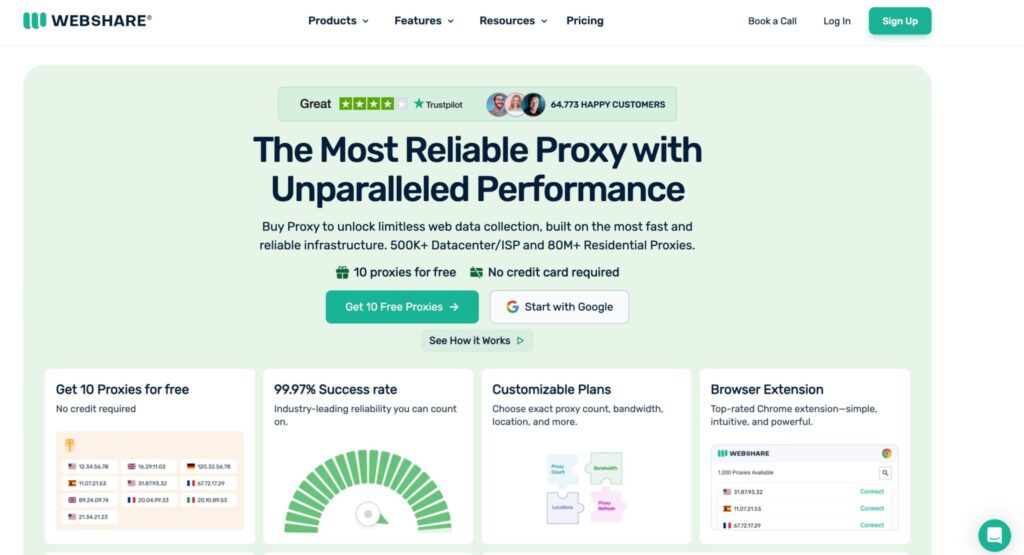
Webshare is simple, affordable, and fast. It is not the most advanced proxy platform, but it is very good for teams that want low-cost datacenter or static residential proxies.
For gaming communities, Webshare makes sense for basic network testing, uptime checks, non-sensitive QA, and simple regional browsing. The setup is quick, and the pricing is friendly for smaller teams.
Where it may fall short is advanced support and deep tooling. If you need high-touch account management, complex compliance workflows, or premium scraping APIs, look elsewhere. But for straightforward proxy needs, Webshare is hard to ignore.
Pro-Tip: Use Webshare datacenter proxies for speed tests and general checks. Use static residential proxies when you need a more consistent IP identity.
Best fit: low-budget testing, simple workflows, and static IP use.
7. NetNut
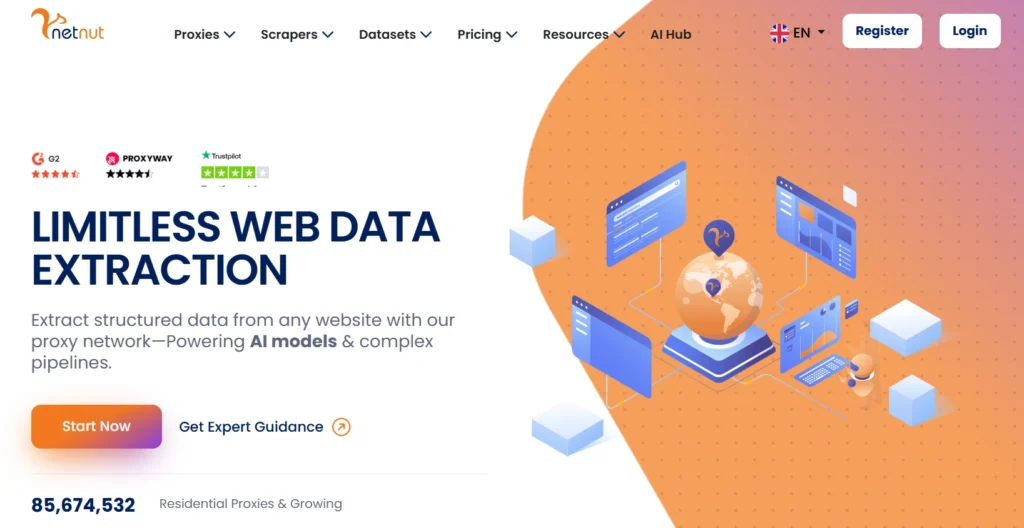
NetNut is built for stability. It offers residential, mobile, static residential, and datacenter proxies, with a strong focus on business users. For gaming communities, the appeal is long-session reliability.
This matters when you are managing community dashboards, checking pages over time, or running workflows where a changing IP could interrupt access. Static residential proxies are useful here because they combine a residential identity with more predictable performance.
NetNut is not usually the cheapest option, but it is a good fit for teams that need fewer surprises.
Pro-Tip: For admin workflows, do not share one proxy endpoint across too many team members. Create separate proxy profiles for separate roles.
Best fit: business teams, stable sessions, and long-running community workflows.
8. Rayobyte
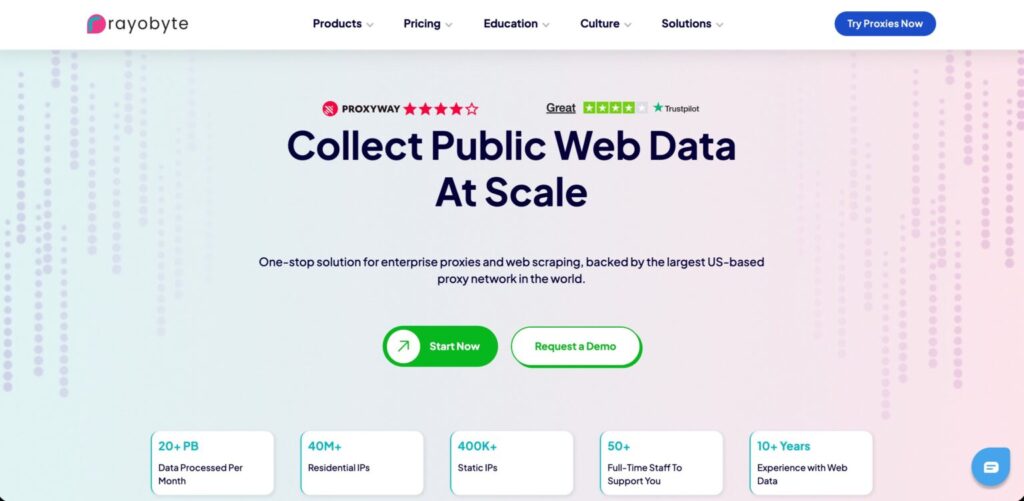
Rayobyte is a good middle-ground provider for teams that want ethical public web data access without jumping straight into enterprise pricing. It offers residential, ISP, datacenter, and mobile proxies, plus scraping-related tools.
For gaming communities, Rayobyte works well for public monitoring, testing, and basic regional checks. Its pool is smaller than Bright Data or Oxylabs, but the service is transparent and practical.
Rayobyte’s ISP and datacenter options are useful when speed and consistency matter. Residential proxies fit better when testing public-facing pages that behave differently by user location.
Pro-Tip: For community research, keep request rates human and reasonable. A proxy does not make aggressive automation safe or acceptable.
Best fit: ethical public data workflows, mid-sized teams, and practical proxy buyers.
How To Choose Proxies For Gaming Communities
Match Proxy Type To The Job
Residential proxies are best for public community research, regional content checks, and workflows where realistic IP reputation matters.
ISP proxies are best for logged-in dashboards, admin tools, and longer sessions. They are usually faster and more stable than rotating residential proxies.
Datacenter proxies are best for speed, uptime monitoring, and low-risk testing. They are cheap, but easier for platforms to identify.
Mobile proxies are best for mobile gaming communities, app testing, and carrier-level checks. They are expensive, but valuable when your audience uses mobile networks.
Check IP Pool Quality, Not Just Pool Size
A huge IP pool sounds impressive, but quality matters more. Look for clean IP sourcing, country coverage, city targeting, ASN targeting, uptime, and session controls.
For gaming communities, you usually do not need millions of IPs. You need the right IPs in the right regions with stable performance.
Understand Rotation Protocols
Rotation decides when your proxy IP changes. There are three common setups:
Sticky sessions keep the same IP for a set time. Use this for logins, dashboards, and long checks.
Rotating sessions change IPs automatically. Use this for public data checks where each request can stand alone.
Manual rotation lets your team change IPs only when needed. Use this when you want control and fewer surprises.
Protocol support also matters. HTTP(S) is enough for most browsing and web tools. SOCKS5 is more flexible and can handle a wider range of traffic. UDP or QUIC support can help certain advanced testing workflows, but most community teams will not need it daily.
Choose Location Controls Carefully
If your community is global, country-level targeting may not be enough. City, state, ASN, and carrier targeting can help you test real user conditions.
For example, a gaming event page may load fine in the United States but break for users in Southeast Asia. A proxy with strong geo controls helps your team catch that before players complain.
Think About Compliance
Good proxy use starts with rules. Respect platform terms, avoid spam, do not scrape private areas, and do not use proxies to evade bans or enforcement. For community work, proxies should support security, testing, privacy, and research, not abuse.
Final Recommendations
Choose Bright Data or Oxylabs if you need enterprise-grade control, scale, and support.
Choose Decodo if you want the best balance of power, usability, and pricing.
Choose SOAX if regional and mobile testing are your main priorities.
Choose IPRoyal or Webshare if you want lower-cost proxy access for smaller community workflows.
Choose NetNut if stable, long-running sessions matter.
Choose Rayobyte if you want a practical provider for ethical public data and testing.
FAQs
1. What are the best proxies for gaming communities?
The best options are Decodo, Oxylabs, Bright Data, SOAX, IPRoyal, Webshare, NetNut, and Rayobyte. The right choice depends on your use case. For enterprise work, choose Bright Data or Oxylabs. For balanced value, choose Decodo. For budget setups, choose IPRoyal or Webshare.
2. Are proxies good for gaming community management?
Yes, when used correctly. Proxies help with regional testing, public research, moderation workflows, uptime checks, and account security. They should not be used for cheating, spam, ban evasion, or violating platform rules.
3. Should I use residential or datacenter proxies?
Use residential proxies when IP reputation and regional accuracy matter. Use datacenter proxies when speed and low cost matter more. For admin sessions, ISP proxies are often the best middle ground.
4. Are mobile proxies useful for gaming communities?
Yes, especially for mobile gaming communities. They help test app flows, mobile landing pages, carrier-based access, and regional behavior from real mobile networks.
5. What is a sticky session?
A sticky session keeps the same proxy IP for a fixed time. This is useful for logins, dashboards, forms, and workflows where changing IPs mid-session could cause security checks.
6. How often should proxies rotate?
For public research, rotation every few minutes may be fine. For logged-in workflows, use sticky sessions for 10 to 30 minutes or longer. Fast rotation is not always better.
7. Do proxies reduce ping in games?
Usually, no. Proxies are not built to improve gameplay latency. A gaming VPN or optimized routing service is better for ping. Proxies are better for community operations, testing, and data workflows.
8. Can proxies get community accounts flagged?
Yes, if used badly. Sudden location changes, aggressive automation, shared IPs, and unusual login patterns can create risk. Use clean providers, stable sessions, and separate proxy profiles for each workflow.