
Best Country Rotation Proxies.
Country rotation proxies sound simple: pick a country, send requests, let the IP change. In real projects, that setup can make or break your data quality.
A US price monitor needs clean US residential IPs. A SERP tracker needs stable country-level exit nodes. A travel fare scraper may need India, Germany, UAE, Brazil, and Japan in the same workflow. If your provider has weak coverage, poor ASN diversity, or aggressive rotation, you do not just get blocked. You collect wrong data.
This guide focuses on providers that make country targeting practical at scale. I looked at pool size, location coverage, session controls, protocol support, pricing flexibility, dashboard usability, and fit for scraping, ad verification, localized testing, account research, and market intelligence.
What Are Country Rotation Proxies?
Country rotation proxies route your traffic through IP addresses from selected countries and automatically change those IPs based on request, time, or session rules. The most common setup is rotating residential proxies because they use real ISP-issued addresses and look closer to normal user traffic.
You can rotate inside one country, such as only Germany. You can also run separate endpoints for multiple countries, such as US, UK, Canada, France, and Australia. Good providers let you control location and rotation logic.
Pro-Tip: Do not rotate countries randomly inside one login session. For scraping public pages, country rotation is useful. For accounts, keep one country, city, ISP, and device fingerprint consistent.
Quick Comparison Table
| Provider | Best For | Claimed Pool | Country Coverage | Rotation Control | Protocols | Main Watch-Out |
|---|---|---|---|---|---|---|
| Bright Data | Enterprise geo control | 400M+ monthly IPs | 195 countries | Rotating and sticky | HTTP(S), SOCKS5 | Expensive for small teams |
| Oxylabs | Large-scale scraping | 175M+ IPs | 195 countries | Rotating, sticky, sessions | HTTP(S), SOCKS5 | Premium pricing |
| Decodo | Best value for teams | 115M+ IPs | 195+ locations | Per request, timed, sticky | HTTP(S), SOCKS5 | Advanced needs may need add-ons |
| SOAX | Flexible filtering | 155M+ IPs | 195 countries | Rotating, sticky | HTTP(S), SOCKS5, UDP/QUIC | Pricing can rise with scale |
| NetNut | Business data collection | 85M+ IPs | 195 countries | Rotating and sticky | HTTP, HTTPS, SOCKS5 | Entry plans suit businesses more |
| Webshare | Low-cost setup | 80M+ IPs | 195 countries | Rotating endpoint | HTTP, HTTPS, SOCKS5 | Limited managed scraping tools |
| IPRoyal | Non-expiring traffic | 32M+ IPs | 195+ locations | Rotating, sticky | HTTP(S), SOCKS5 | Smaller pool than giants |
| DataImpulse | Budget country rotation | 90M+ IPs | 195+ countries | Rotating, sticky | HTTP, HTTPS, SOCKS5 | Less enterprise polish |
| Proxy-Seller | Cheap granular targeting | 20M+ IPs | 220+ regions | Rotation modes | HTTPS, SOCKS5 | Quality varies by target |
| Rayobyte | Ethical sourcing focus | 40M+ IPs | Global coverage | Sticky sessions | HTTP(S), SOCKS5 | Not the deepest global pool |
1. Bright Data
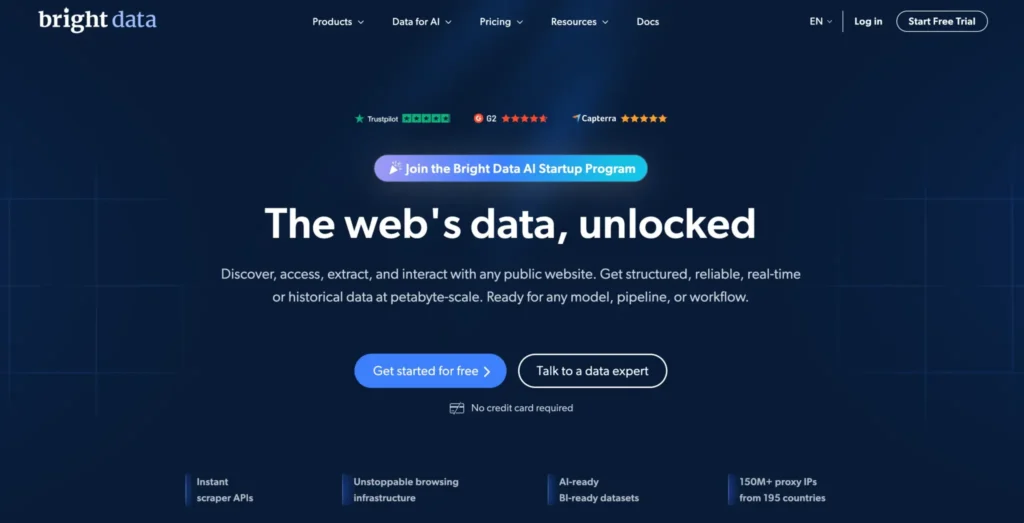
Bright Data is heavyweight when country targeting is mission-critical. Its residential network is huge, its location controls are deep, and it gives technical teams the knobs they usually need: country, city, ASN-style filtering, sticky sessions, rotating sessions, proxy manager tooling, APIs, and compliance workflows.
For country rotation, Bright Data makes the most sense when your project has money attached to accuracy. Think ad verification across 30 countries, travel pricing intelligence, brand protection, sneaker monitoring, SERP localization, and marketplace research.
The main advantage is not only the pool size. It is operational maturity: stronger documentation, browser integrations, support options, and tooling than most cheaper providers.
The downside is cost and complexity. A beginner scraping a few thousand pages does not need this much machinery. But for enterprise teams, Bright Data is still one of the safest bets.
Pro-Tip: Use sticky sessions for checkout flows, form paths, and multi-step QA. Use per-request rotation for public listing pages.
2. Oxylabs
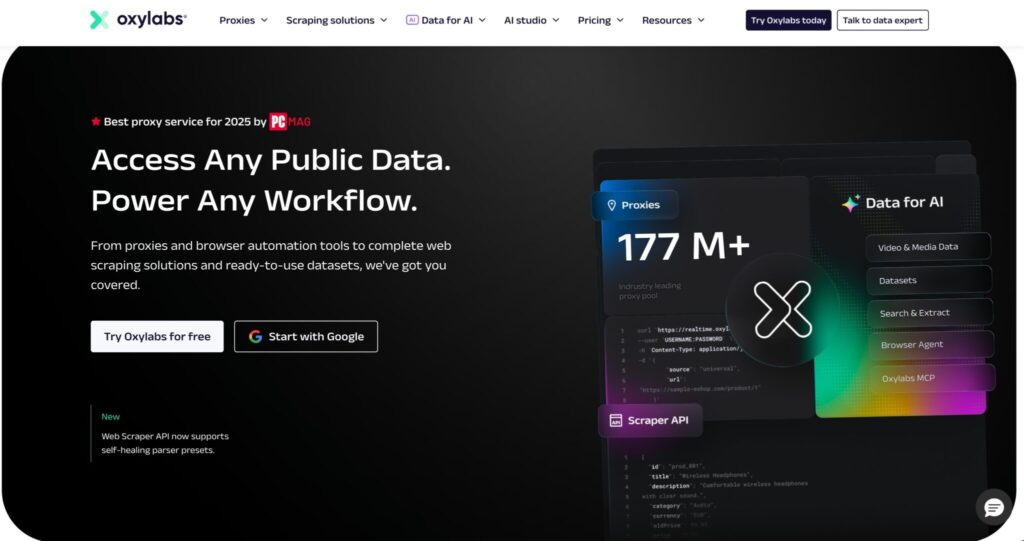
Oxylabs is another premium provider built for serious web data collection. Its residential proxy pool is large, country coverage is strong, and the platform sits nicely between raw proxies and managed scraping tools.
Country rotation works well for teams that need predictable infrastructure rather than bargain traffic. Oxylabs supports residential, mobile, ISP, datacenter proxies, and scraping APIs, so you can match proxy type to target difficulty. For example, use datacenter proxies for open pages, residential proxies for tougher retail targets, and mobile proxies only when mobile trust signals matter.
Oxylabs also deserves credit for documentation and developer experience, with setup guides and integrations that reduce messy proxy logic.
The tradeoff is price. If you are testing a small project, Oxylabs may feel heavy. For production scraping, it is easier to justify.
3. Decodo
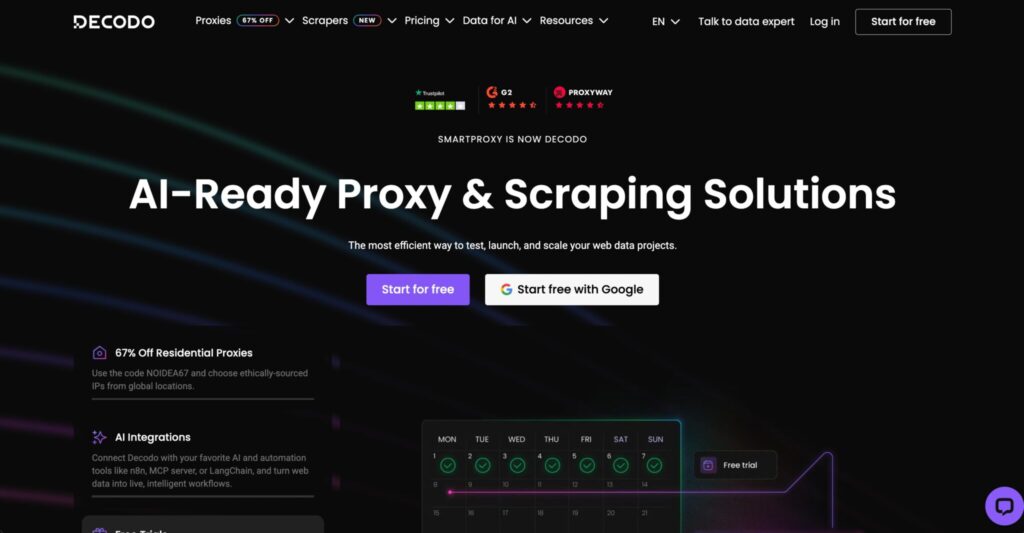
Decodo, formerly Smartproxy, is one of the easiest recommendations for teams that want strong country rotation without enterprise-level friction. The dashboard is clean, onboarding is fast, and the network is large enough for most SEO, ecommerce, QA, and research workflows.
Its residential proxies support broad country coverage, sticky sessions, and rotating sessions. That makes it useful for both high-volume scraping and session-sensitive browsing. Decodo also offers scraping APIs and unblocker-style products, which helps if your team does not want to build every retry, header, and CAPTCHA workaround from scratch.
The strongest part is balance: good controls, good UX, solid documentation, and pricing that makes sense for growing teams.
Pro-Tip: If your scraper fails after login but works on public pages, your rotation interval is probably too aggressive. Switch to sticky sessions before blaming the provider.
4. SOAX
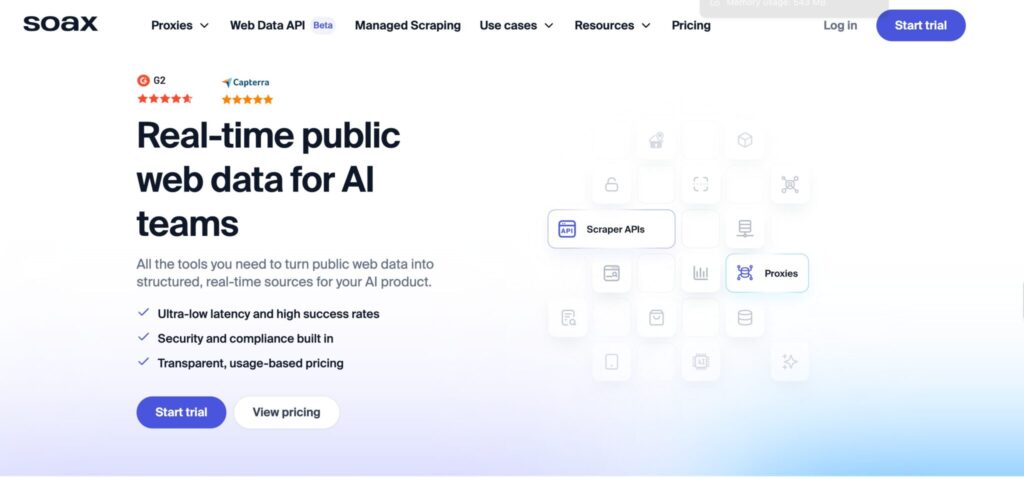
SOAX is strong for users who care about filtering. Country rotation is only the first layer. Many projects also need city, carrier, ISP, or ASN-style control because two IPs from one country can behave differently on one website.
SOAX offers a large residential pool, wide country coverage, sticky sessions, and modern protocol support. It is a good fit for market research, localized SEO checks, app testing, social research, and ad verification. The interface is also more approachable than many older proxy dashboards.
Where SOAX shines is precision. You can build cleaner location profiles instead of throwing random residential IPs at a target.
The downside is that advanced filtering can increase your effective cost. Start with country-level targeting, then narrow only when the target demands it.
5. NetNut
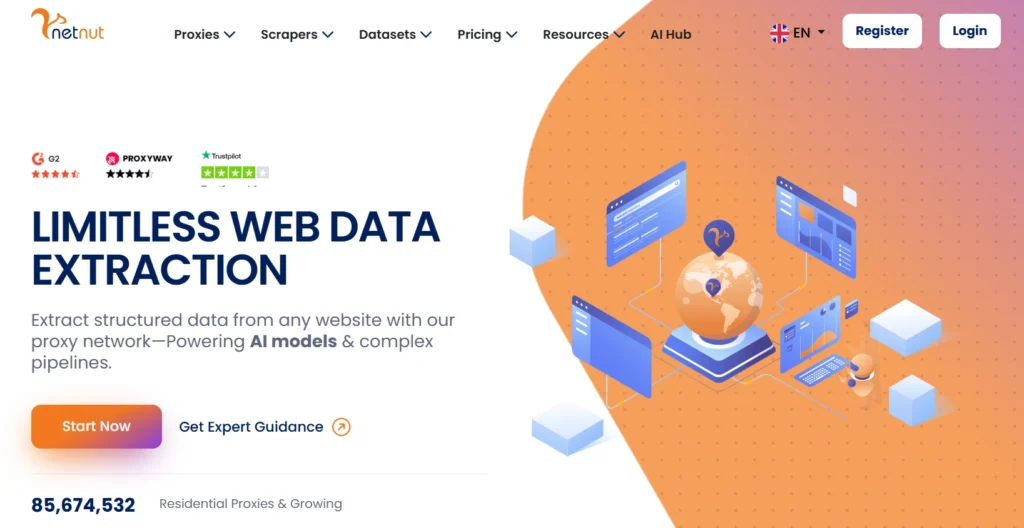
NetNut is built more for business users than hobby scrapers. Its residential network is large, its country coverage is broad, and it supports common protocols like HTTP, HTTPS, and SOCKS5.
For country rotation, NetNut is useful when you need unlimited concurrency and consistent throughput. That matters for price intelligence, SERP collection, review monitoring, and public data workflows.
NetNut also leans into analytics and managed support. That is helpful if your team wants to monitor traffic, success rate, bandwidth burn, and location performance without stitching everything together manually.
It is not the best pick for someone who wants the cheapest 1 GB test. But if you run recurring campaigns across multiple countries, NetNut deserves a look.
6. Webshare
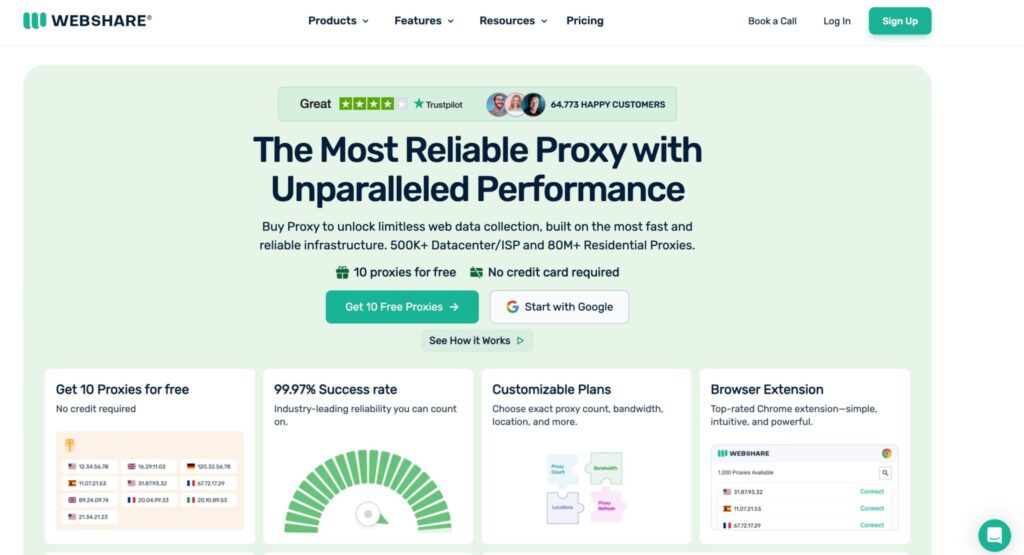
Webshare is a good option if you want simple, affordable country rotation without a heavy sales process. Its residential proxies cover a wide global footprint, and the dashboard is beginner-friendly.
The biggest appeal is value. You can start small, test countries quickly, and avoid overbuying. For basic scraping, browser testing, SEO checks, and geo-restricted content checks, Webshare can be more than enough.
It does not have the same advanced ecosystem as Bright Data, Oxylabs, or Decodo. You should not expect a full scraping platform with high-touch support. But if you already have your own crawler and only need rotating residential exits by country, Webshare keeps the stack lean.
7. IPRoyal
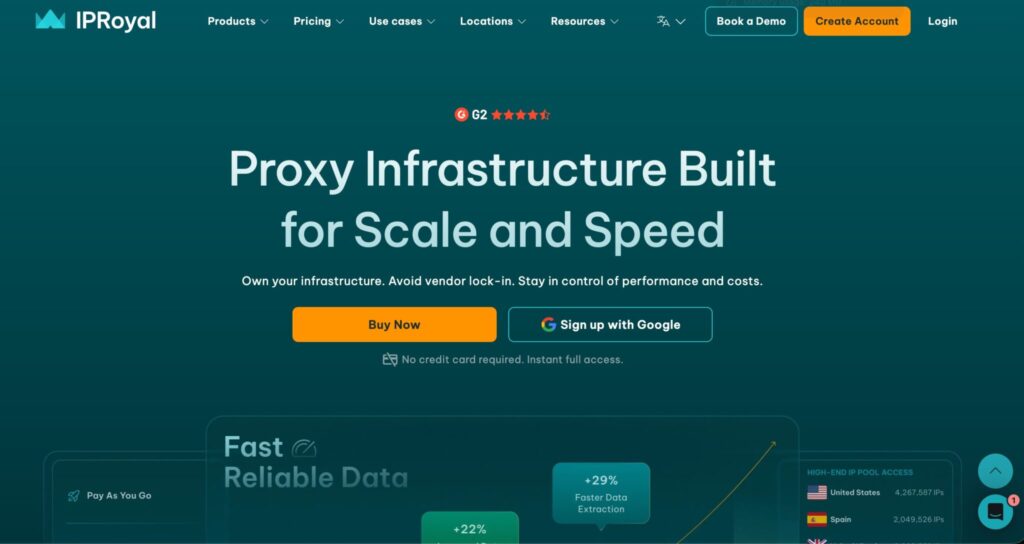
IPRoyal is attractive because its traffic model is flexible. Many proxy providers push monthly commitments. IPRoyal’s non-expiring traffic is useful for agencies, freelancers, and teams with uneven workloads.
Its residential pool is smaller than Bright Data, Oxylabs, SOAX, or Decodo, but it still covers a wide set of countries and supports rotating and sticky sessions. For country rotation, that makes it a practical choice for SEO monitoring, light ecommerce scraping, ad checks, and account research where cost control matters.
The key is testing the exact countries you need. A smaller global pool can still work very well if your target countries have healthy supply. Do not judge only by total pool size.
8. DataImpulse
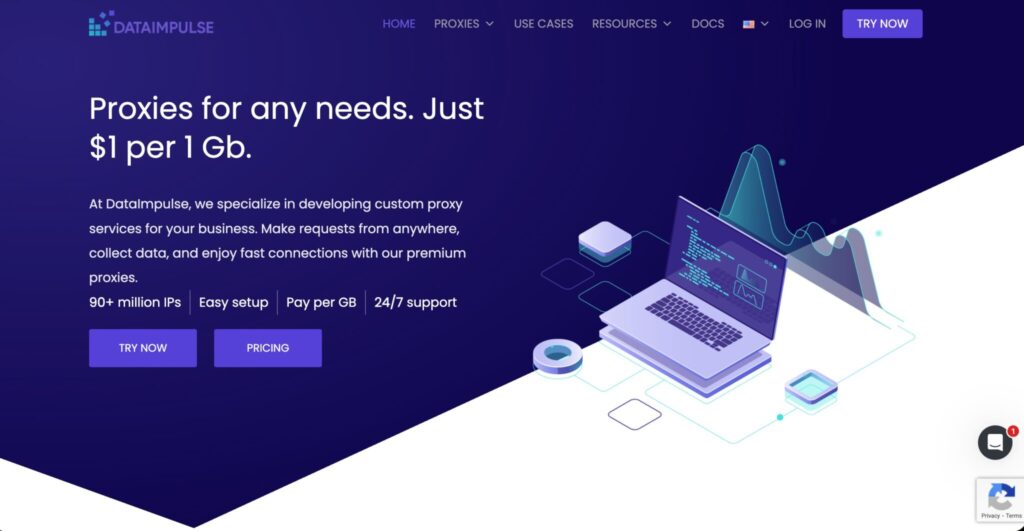
DataImpulse is the budget disruptor in this list. The pitch is clear: low per-GB residential pricing, broad country coverage, rotating sessions, sticky sessions, and support for common protocols.
For country rotation, DataImpulse is useful when you need lots of traffic but cannot justify premium enterprise rates. It fits public data scraping, pricing checks, SERP collection, and bulk testing across many regions.
The product may not feel as polished as premium platforms, so expect to handle retries, cooldowns, and target-specific tuning yourself.
Pro-Tip: Cheap traffic is only cheap if success rate stays high. Track cost per successful page, not cost per GB.
9. Proxy-Seller
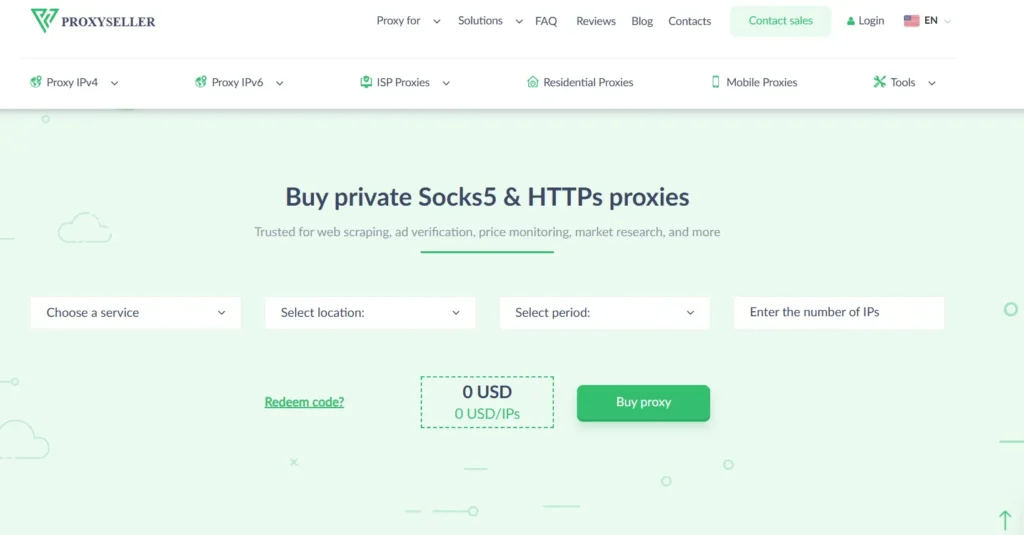
Proxy-Seller suits teams that want low-cost residential traffic with broad region coverage. It offers rotating residential IPs, country targeting, ISP selection, protocol options, and usage analytics.
The big selling point is pricing flexibility. If you are running tests across many smaller markets, Proxy-Seller lets you experiment without buying enterprise plans. The 220+ countries and regions claim is also attractive for edge markets where larger providers may list coverage but have thin live supply.
The caution: test before scaling. For sensitive targets, cheaper pools can vary by country, time, and domain. Start with your hardest countries first.
10. Rayobyte
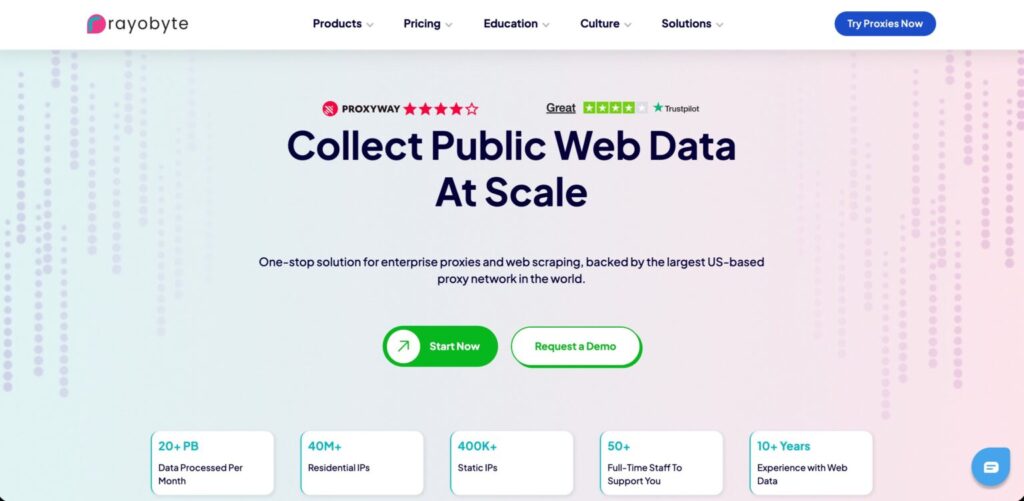
Rayobyte is worth considering if ethical sourcing and simple residential proxy usage matter. Its pool is not the biggest here, but it offers country, region, and city targeting, sticky sessions, and unlimited threads.
For country rotation, Rayobyte works best for controlled campaigns rather than massive global scraping. It is a sensible option for QA teams, ecommerce monitoring, localized browsing, and companies that want a provider with a more transparent positioning around sourcing.
It may not be your first pick for the hardest anti-bot targets in dozens of countries. But for stable, moderate-scale use, it is a credible alternative.
How to Choose Country Rotation Proxies
Check Real Country Supply, Not Just “195 Countries”
Every big provider says it covers almost every country. That does not mean every country has enough clean, live IPs. Ask support about your exact markets. Test peak and off-peak hours.
Understand Rotation Modes
Per-request rotation gives you a fresh IP on every request. It is good for public pages and large crawls. Timed rotation changes IPs after a set interval, such as 1, 10, or 30 minutes. Sticky sessions keep the same IP for a flow, which is better for carts, logins, and multi-step browsing.
Match Proxy Type to Risk
Datacenter proxies are fast and cheap but easier to detect. Residential proxies are better for country realism. ISP proxies are stable but less flexible for huge rotation. Mobile proxies are expensive but useful when mobile trust signals matter.
Look at Protocol Support
HTTP and HTTPS are enough for most scraping. SOCKS5 is better for broader app compatibility and non-browser workflows. If you run modern app testing, check UDP or QUIC support.
Measure the Right Metrics
Do not obsess over response time alone. Track success rate, CAPTCHA rate, timeout rate, country accuracy, ASN mix, and cost per successful request.
FAQs
1. Are country rotation proxies legal?
Proxies are legal tools in many places, but usage matters. Scraping public data, ad verification, and QA can be legitimate. Breaking terms, bypassing access controls, or collecting private data can create legal risk.
2. What is the best country rotation proxy provider?
Bright Data and Oxylabs are strongest for enterprise use. Decodo is the best balanced pick for most teams. DataImpulse, Webshare, and IPRoyal are better for budget-sensitive projects.
3. Should I use residential or datacenter proxies?
Use datacenter proxies for open, low-risk targets. Use residential proxies when country accuracy and trust signals matter. Use mobile only when the target heavily scores mobile network reputation.
4. How often should proxies rotate?
For public scraping, rotate per request or every few requests. For login flows, keep sticky sessions. For SERP and ad checks, rotate enough to avoid rate limits but keep country and device signals consistent.
5. Can I rotate between multiple countries?
Yes, but do it intentionally. Build separate endpoints or sessions per country. Random country switching inside one session can look unnatural and may corrupt localized data.
6. Why do proxies get blocked?
Common reasons include poor IP reputation, too many requests, bad headers, weak browser fingerprints, no cooldowns, and mismatched country, language, timezone, and device signals.
7. What is the cheapest country rotation proxy?
DataImpulse, Proxy-Seller, Webshare, and IPRoyal are usually among the cheaper options. Test success rate before buying volume, because failed requests can erase the savings.
8. Do I need SOCKS5?
Not always. For browser scraping and most HTTP requests, HTTPS works fine. Choose SOCKS5 if your software requires it or if you need more flexible traffic handling.
Final Buying Advice
Choose Bright Data or Oxylabs when failure is expensive. Choose Decodo when you want the safest middle ground. Pick SOAX when filtering precision matters. Choose NetNut for business-scale recurring data collection. Use Webshare, IPRoyal, DataImpulse, or Proxy-Seller when budget and flexibility matter most.
The best country rotation proxy is not the one with the biggest pool. It is the one that has clean supply in your exact countries, predictable rotation controls, honest reporting, and a price that still makes sense after failed requests are counted.