
Best Proxies For Data Privacy.
Data privacy is no longer just about hiding your IP address. For businesses, researchers, SEO teams, analysts, and security-conscious users, the real issue is control.
Who sees your traffic? How exposed is your real location? Can your data-gathering stack run without leaking identity, triggering blocks, or relying on shady public proxy lists?
That is where premium proxies matter.
A good proxy provider gives you clean IPs, controlled rotation, location targeting, protocol support, and enough transparency to trust the network behind it. A bad proxy does the opposite.
It leaks, logs too much, fails under load, or routes traffic through abused IPs that get blocked before your project even starts.
Below is a practical buyer’s guide to the best proxies for data privacy, with a focus on IP pools, rotation protocols, reliability, and real business use.
Quick Comparison Table: Best Proxies For Data Privacy
| Provider | Best For | Proxy Types | IP Pool Strength | Rotation Options | Privacy Fit | Beginner Friendly |
|---|---|---|---|---|---|---|
| Bright Data | Enterprise privacy and large-scale data access | Residential, ISP, mobile, datacenter | Massive global pool | Rotating and sticky sessions | Very strong | Medium |
| Oxylabs | Enterprise scraping and public data collection | Residential, ISP, mobile, datacenter | Large premium pool | Advanced rotation controls | Very strong | Medium |
| Decodo | Balanced privacy, price, and usability | Residential, ISP, mobile, datacenter | Large global pool | Rotating and sticky sessions | Strong | High |
| SOAX | Geo-targeted privacy workflows | Residential, mobile, ISP, datacenter | Strong global coverage | Flexible session control | Strong | High |
| NetNut | High-speed business data access | Residential, mobile, ISP, datacenter | Strong B2B-focused network | Rotating and static options | Strong | Medium |
| IPRoyal | Budget-friendly private browsing and scraping | Residential, ISP, mobile, datacenter | Good global coverage | Rotating and sticky sessions | Good | High |
| Webshare | Affordable self-serve proxies | Residential, ISP, datacenter | Strong for the price | Rotating and static options | Good | Very high |
| DataImpulse | Low-cost residential proxy usage | Residential and related proxy services | Large residential pool | Rotating sessions | Good | High |
| Rayobyte | US-focused business proxy operations | Residential, datacenter, ISP-style static IPs | Strong US-based network | Static and rotating options | Good | Medium |
1. Bright Data
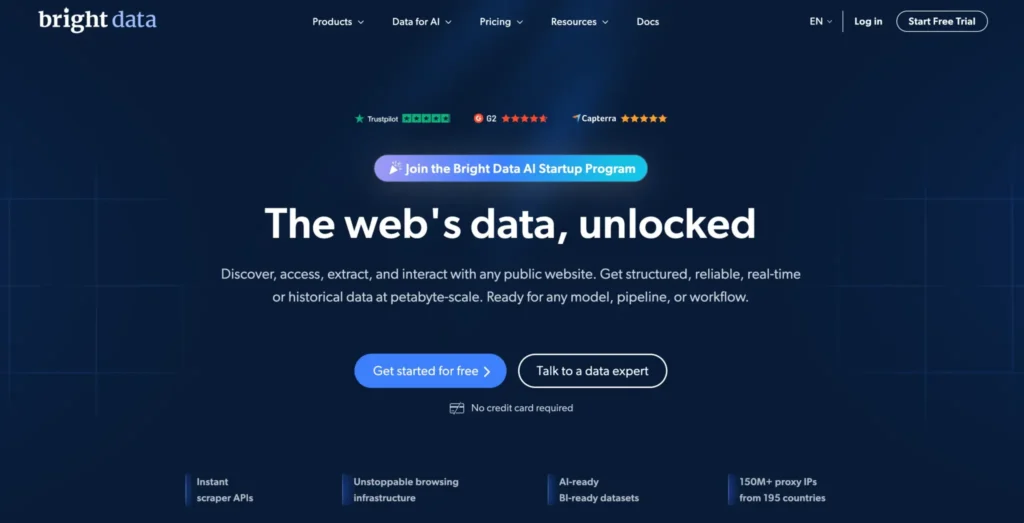
Bright Data is one of the strongest names in the proxy market for teams that treat privacy, compliance, and scale seriously. It is not the cheapest option, but it offers one of the deepest proxy stacks: residential, mobile, ISP, and datacenter proxies.
For data privacy, Bright Data works best when you need strict control over location, session behavior, and IP type. You can run rotating residential sessions for public data collection, static ISP proxies for account-based workflows, and datacenter IPs for high-speed tasks where trust risk is lower.
The platform is more technical than beginner-first tools, but that is part of its appeal. It gives advanced teams the knobs they need.
Pro Tip: Use residential proxies for sensitive public data access and ISP proxies when you need a stable identity for longer sessions.
2. Oxylabs
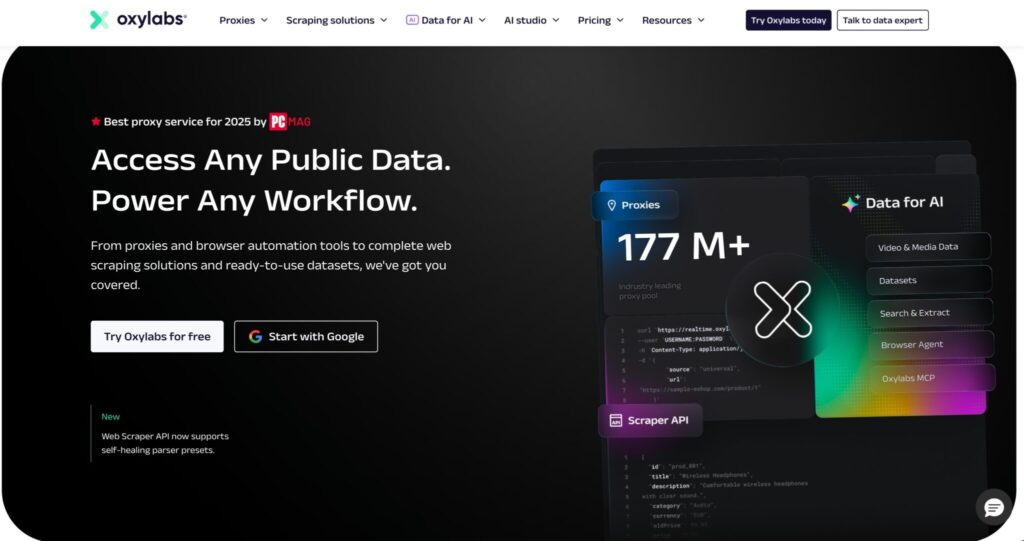
Oxylabs is built for serious data teams. It has a strong reputation in enterprise-grade proxy infrastructure, especially for public web data collection, market intelligence, brand protection, and ad verification.
Its residential network is large, and its product lineup covers the main privacy-focused proxy types. Residential proxies help reduce exposure by routing traffic through real-user ISP connections. ISP proxies offer more stability, while datacenter proxies handle speed-heavy tasks.
Oxylabs is a strong pick if your data privacy needs are tied to scale. If you are collecting public data from many regions, testing localized pages, or running complex scraping pipelines, it offers the reliability and tooling needed to avoid messy proxy management.
The main drawback is cost. Smaller users may find it overbuilt.
3. Decodo
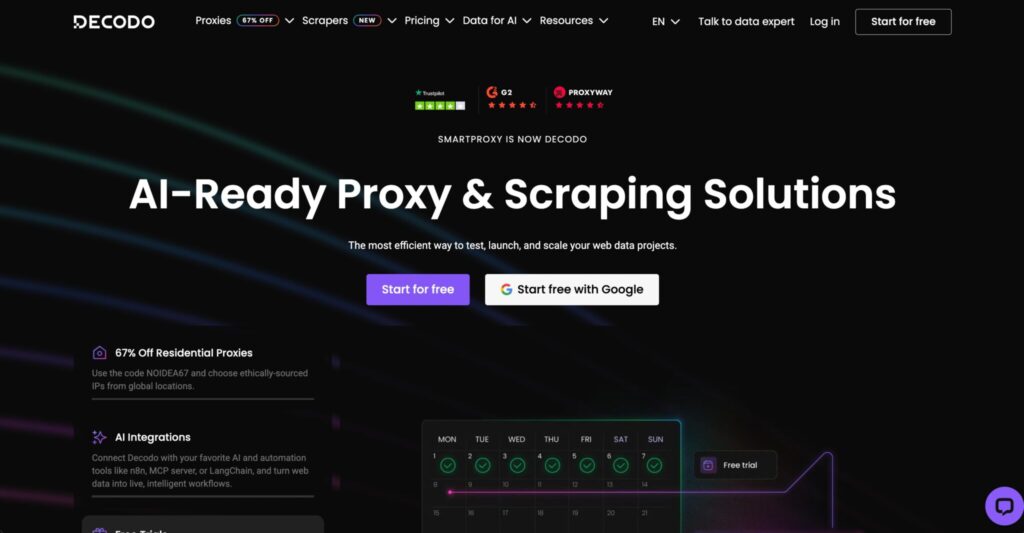
Decodo, formerly known as Smartproxy, is one of the best middle-ground choices. It gives you a serious proxy network without the heavy enterprise feel of some larger providers.
For privacy-focused users, Decodo is attractive because it offers residential, mobile, ISP, and datacenter proxies with a dashboard that is much easier to manage. You can set up rotating residential proxies for privacy-sensitive browsing or scraping, use ISP proxies for stable logins, and test datacenter proxies for fast low-cost workloads.
The service is especially useful for SEO monitoring, ad verification, price tracking, SERP checking, and market research. It gives enough control for technical users while staying friendly for beginners.
Pro Tip: If you are testing multiple targets, start with Decodo’s residential proxies, then move stable tasks to ISP or datacenter proxies to reduce cost.
4. SOAX
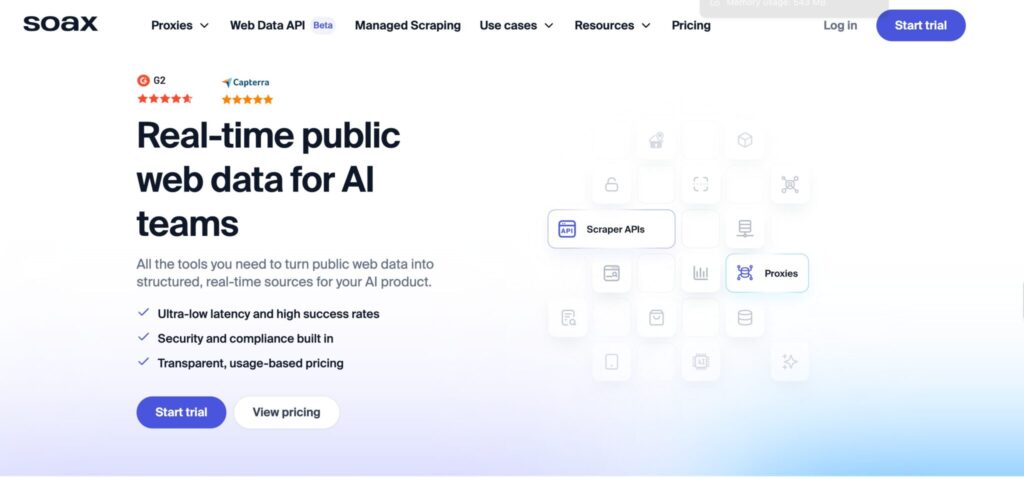
SOAX is a strong option for users who care about accurate geo-targeting. If your privacy workflow depends on appearing from a specific country, city, region, or ASN, SOAX deserves a close look.
It offers residential, mobile, ISP, and datacenter proxies under flexible plans. That makes it easier to test different proxy types without rebuilding your setup from scratch.
For data privacy, SOAX is useful because it gives clean routing options and practical session control. You can rotate IPs to reduce fingerprint buildup or use sticky sessions when the target website expects continuity.
It is a good fit for localized research, social platform testing, ad verification, and brand monitoring. The interface is also friendlier than many enterprise-heavy tools.
5. NetNut
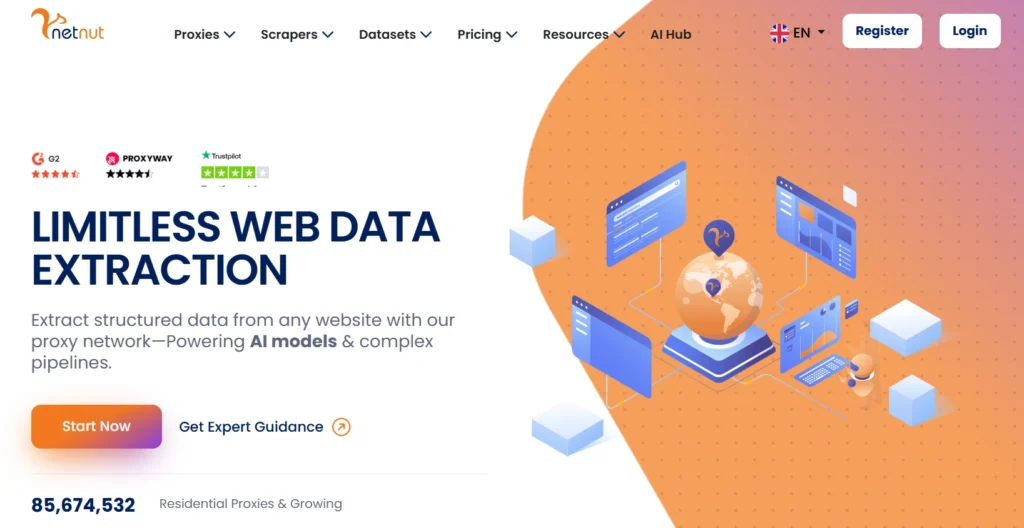
NetNut focuses on business-grade proxy access. It is a strong choice for companies that need speed, reliability, and privacy without constantly fighting unstable IP pools.
Its proxy catalog includes residential, mobile, static residential, and datacenter proxies. For privacy use cases, NetNut’s biggest advantage is consistency. Some proxy providers look good on paper but struggle under real workloads. NetNut is better suited for users running repeatable data pipelines.
Residential proxies work well when you need natural-looking access. Static residential proxies are better for tasks where your session cannot keep jumping between IPs. Datacenter proxies are useful when speed matters more than residential trust.
NetNut is not the cheapest provider, but it is built for business users who value uptime and predictable performance.
6. IPRoyal
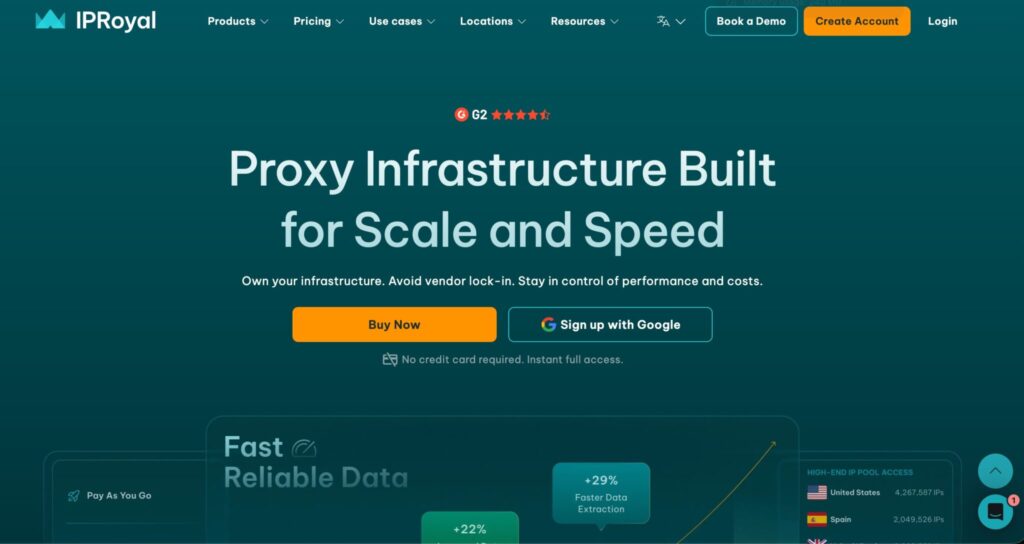
IPRoyal is a strong pick for budget-conscious users who still want proper proxy options. It offers residential, ISP, mobile, and datacenter proxies, with targeting features that make it practical for privacy-focused browsing, research, and automation.
The main appeal is affordability. Many premium proxy providers are priced for large teams. IPRoyal is easier for freelancers, small businesses, and affiliate teams that need private access without a huge monthly commitment.
For data privacy, IPRoyal works best for light-to-medium workloads: checking localized search results, testing ads, managing research accounts, and gathering public data at a controlled pace.
It may not match Bright Data or Oxylabs for enterprise-level scale, but it offers solid value.
Pro Tip: Avoid choosing a proxy only by price. Cheap private proxies can be useful, but only if the IP reputation is clean enough for your target websites.
7. Webshare
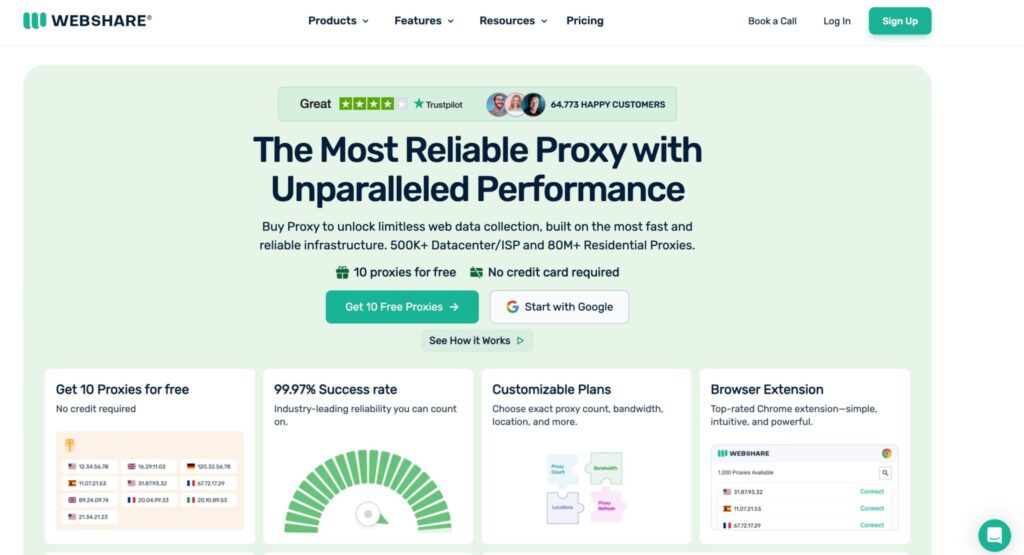
Webshare is one of the easiest proxy providers to start with. It offers residential, ISP, and datacenter options, plus a self-serve dashboard that does not require a sales call.
For data privacy, Webshare is best when you need affordable proxies for simple workflows. Datacenter proxies are fast and cheap, but they are easier for websites to detect.
Residential and ISP proxies are better when trust and identity consistency matter.
Webshare is a practical choice for users who want to test proxy workflows before committing to premium providers. It is also useful for developers who need quick API access, simple authentication, and easy proxy list management.
It is not the most advanced option for scraping APIs or managed data extraction, but for private access and controlled browsing, it offers strong value.
8. DataImpulse
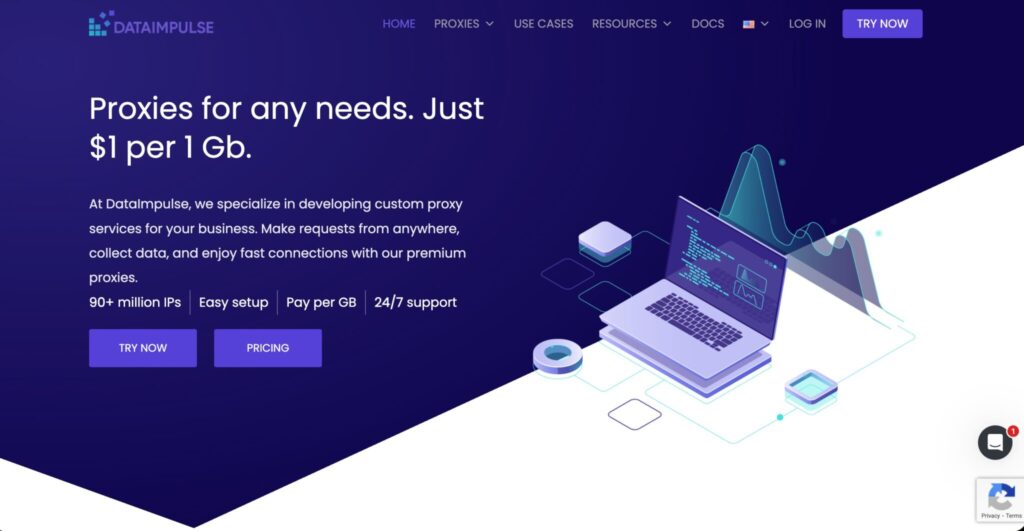
DataImpulse is attractive for users who want low-cost residential proxies without a complicated buying process. Its positioning is simple: affordable residential traffic, wide coverage, and easy setup.
For privacy-focused users, the value is clear. Residential proxies help mask your original IP behind real ISP-assigned addresses, which can reduce detection compared with datacenter IPs.
DataImpulse is best suited for small-to-medium projects such as SERP tracking, public web scraping, ad checks, price monitoring, and research. It is not as feature-heavy as top enterprise platforms, but its pricing makes it useful for testing and scaling gradually.
If your main concern is keeping costs predictable while using residential IPs, DataImpulse is worth considering.
9. Rayobyte
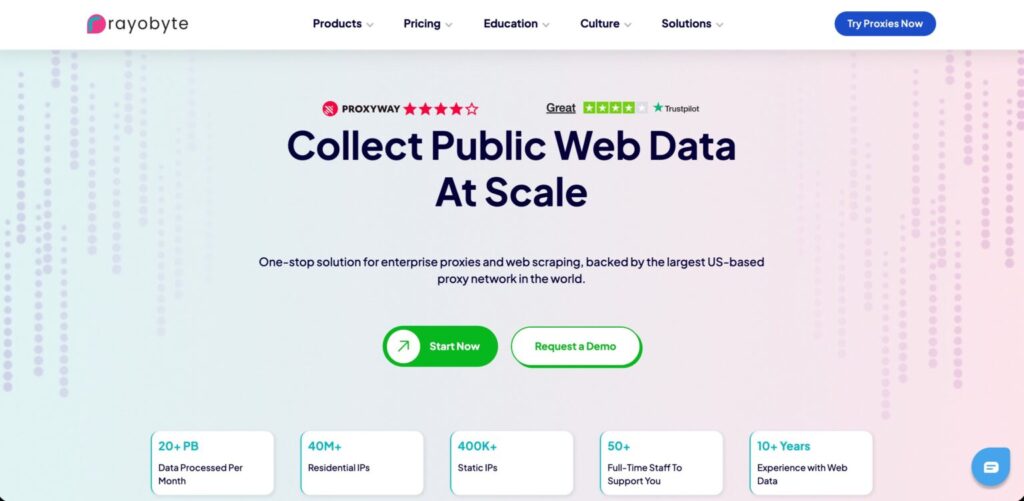
Rayobyte is a solid option for users who want a business-focused proxy provider with a strong US presence. It offers datacenter and residential proxies, along with static IP options for workflows that need stable access.
For data privacy, Rayobyte is useful when you want more control than a cheap proxy marketplace but do not need a huge enterprise platform. It is especially relevant for ecommerce monitoring, SEO tracking, public data collection, and US-focused research.
Datacenter proxies from Rayobyte can be fast and cost-effective, but they require better rotation planning. Residential proxies are better for tougher targets where natural IP reputation matters more.
Rayobyte is a good fit for teams that understand proxy management and want support behind the infrastructure.
How To Choose The Best Proxy For Data Privacy
Understand Your IP Pool Needs
The IP pool is the foundation of proxy privacy. A small or abused pool creates problems fast. Websites may block the IP range, flag repeated requests, or connect your sessions together.
Residential pools are best when you need traffic to look natural. Mobile proxies are useful for app testing and mobile-first platforms. ISP proxies are ideal when you need both trust and stability.
Datacenter proxies are best for speed, low cost, and simple targets.
Do not buy the biggest pool blindly. Match the pool to your task.
Pick The Right Rotation Method
Rotation controls how often your proxy IP changes.
Rotating proxies change IPs automatically. They are useful for scraping, SERP checks, and avoiding repeated requests from the same address.
Sticky sessions keep the same IP for a set time. They are better for logins, carts, dashboards, and websites that expect a stable session.
Static proxies keep the same IP until you replace it. They are best for account-based work, but they need clean IP reputation.
Pro Tip: If a website uses session cookies, avoid aggressive rotation. A new IP on every request can look more suspicious, not less.
Check Protocol Support
Most proxy providers support HTTP and HTTPS. SOCKS5 is useful when you need more flexibility, especially for apps, browsers, and non-standard traffic.
For privacy, HTTPS proxy support matters because it helps protect the traffic between your client and the proxy endpoint. SOCKS5 is not automatically more private, but it is more versatile.
Choose a provider that supports the protocol your tools actually use.
Avoid Free Proxy Lists
Free proxies are a privacy risk. Many are overloaded, unstable, logged, injected with ads, or operated by unknown parties. If data privacy matters, free proxies should not touch your business workflow.
A paid provider gives you authentication, replacement options, support, and cleaner routing. That is worth the cost.
Review Logging And Compliance
A proxy provider should be clear about acceptable use, data handling, and sourcing. For business use, this matters more than people think.
Look for transparent policies, ethical IP sourcing, KYC where required, abuse prevention, and clear support channels. Privacy does not mean using anonymous infrastructure with no accountability. It means reducing exposure while keeping your workflow legitimate.
Best Proxy Type By Use Case
| Use Case | Best Proxy Type | Why |
|---|---|---|
| Private browsing for research | Residential or ISP | Better trust and stable identity |
| SEO rank tracking | Residential or datacenter | Depends on target difficulty |
| Ad verification | Residential or mobile | Strong geo and device accuracy |
| Price monitoring | Residential | Lower block risk |
| Account management | ISP/static residential | Stable sessions |
| App testing | Mobile proxies | Real carrier IP behavior |
| High-speed scraping | Datacenter | Fast and affordable |
| Sensitive public data access | Residential with controlled rotation | Better privacy and lower pattern risk |
FAQs
1. Are proxies good for data privacy?
Yes, proxies can improve data privacy by masking your original IP address and routing requests through another network. They are most useful when paired with safe browsing habits, encrypted connections, and reputable providers.
2. Are proxies better than VPNs?
Not always. VPNs are better for full-device privacy and encrypted personal browsing. Proxies are better for controlled workflows like scraping, SEO tracking, ad verification, automation, and location-specific testing.
3. Which proxy type is best for privacy?
Residential and ISP proxies are usually best for privacy-focused business tasks. Residential proxies look natural because they use ISP-assigned addresses. ISP proxies add more stability for longer sessions.
4. Are datacenter proxies private?
They can hide your real IP, but they are easier to detect because they come from hosting providers rather than residential ISPs. They are best for speed and cost, not maximum trust.
5. What is proxy rotation?
Proxy rotation changes your IP address after a request, time period, or session. It helps reduce repeated exposure from one IP, but poor rotation settings can create suspicious behavior.
6. Should I use sticky or rotating proxies?
Use rotating proxies for scraping and large-scale checks. Use sticky proxies for logins, sessions, carts, dashboards, and workflows where identity continuity matters.
7. Can proxies protect business data?
Proxies can reduce IP exposure and separate business workflows from your real network, but they do not replace cybersecurity basics. You still need HTTPS, strong passwords, access controls, and secure devices.
8. What is the safest proxy provider?
For enterprise privacy, Bright Data and Oxylabs are strong choices. For ease of use, Decodo and SOAX are excellent. For budget-friendly privacy workflows, IPRoyal, Webshare, and DataImpulse are practical options.
Final Verdict
The best proxies for data privacy depend on what you are protecting.
Choose Bright Data or Oxylabs if you need enterprise-grade control, compliance, and scale. Pick Decodo if you want the best balance of usability, proxy variety, and performance. Go with SOAX when geo-targeting is critical. Use NetNut for stable business workloads.
Choose IPRoyal, Webshare, or DataImpulse if price matters but you still want legitimate proxy infrastructure. Pick Rayobyte if your work leans heavily toward US-focused data access and controlled proxy management.
The safest buying rule is simple: match the proxy type to the job. Residential for trust, ISP for stable identity, mobile for carrier-level testing, and datacenter for speed. Get that right, and your proxy setup becomes cleaner, safer, and far more reliable.