
Best Proxies For Encrypted Browsing.
Encrypted browsing sounds simple: open a browser, hide your IP, and keep traffic private. The tricky part is that many proxy buyers confuse “proxy” with “encryption.” A proxy changes the route your traffic takes.
Encryption depends on the protocol, the website, and how the proxy connection is handled.
That difference matters when you are doing SEO checks, ad verification, brand monitoring, market research, account testing, or privacy-sensitive browsing across multiple regions.
The best proxy for encrypted browsing should do three things well. It should support HTTPS or SOCKS5, keep sessions stable when needed, and provide clean IPs from trustworthy pools.
Cheap random proxies may work for ten minutes, but they often fail when you need consistent logins, country-level browsing, or secure access to HTTPS websites without constant CAPTCHA walls.
Below is a practical buyer’s guide to the best proxy providers for encrypted browsing, with a comparison table, hands-on buying advice, and protocol tips that save money before you burn bandwidth.
What “Encrypted Browsing” Really Means With Proxies
A proxy does not magically encrypt everything by itself. When you visit an HTTPS website, your browser creates an encrypted connection with that site. A proper HTTPS proxy tunnel passes that traffic without reading the page content.
SOCKS5 is more flexible because it can carry different traffic types, but it is not encryption by default. The safest setup is usually HTTPS websites plus a reputable HTTPS or SOCKS5 proxy provider.
For normal web browsing, HTTPS proxies are usually enough. For apps, browser profiles, automation tools, or non-standard traffic, SOCKS5 gives more control.
If a provider supports both, you get more room to test performance instead of being locked into one workflow.
Pro-Tip: Avoid free proxy lists for encrypted browsing. Many are slow, overloaded, misconfigured, or unsafe. If privacy matters, the proxy source matters as much as the protocol.
Quick Comparison Table: Best Proxies For Encrypted Browsing
| Provider | Best For | Proxy Types | Protocol Support | IP Pool Strength | Rotation Controls | Main Watch-Out |
|---|---|---|---|---|---|---|
| Bright Data | Enterprise-grade encrypted browsing and testing | Residential, ISP, datacenter, mobile | HTTP, HTTPS, SOCKS5 options | Huge global residential pool | Advanced rotation, sticky sessions, geo-targeting | Price and setup can feel heavy for beginners |
| Oxylabs | Large teams and high-success web access | Residential, static residential, datacenter, mobile | HTTP, HTTPS, SOCKS5 | Strong enterprise pool | Country, city, session controls | Best value usually appears at higher usage |
| Decodo | Balanced price, usability, and session control | Residential, ISP, datacenter, mobile | HTTP, HTTPS, SOCKS5 | Large worldwide coverage | Rotating and sticky sessions | Some advanced settings need testing |
| SOAX | Clean targeting and flexible encrypted browsing | Residential, mobile, ISP, datacenter | HTTP, HTTPS, SOCKS5 | Wide global pool | Sticky sessions and automatic rotation | Entry pricing may not suit tiny users |
| NetNut | Fast rotating residential access | Residential, ISP, datacenter, mobile | HTTP, HTTPS, SOCKS5 | Strong ISP-backed network | Rotating and sticky sessions | More business-focused than hobby-friendly |
| IPRoyal | Budget-friendly private browsing workflows | Residential, ISP, datacenter, mobile | HTTP(S), SOCKS5 | Smaller than giants but practical | Custom rotation and sticky options | Quality can vary by region |
| Webshare | Affordable proxy testing and simple encrypted access | Datacenter, static residential, residential | HTTP, SSL/HTTPS, SOCKS5 | Good for cost-controlled usage | Manual and API-based management | Fewer enterprise scraping extras |
1. Bright Data
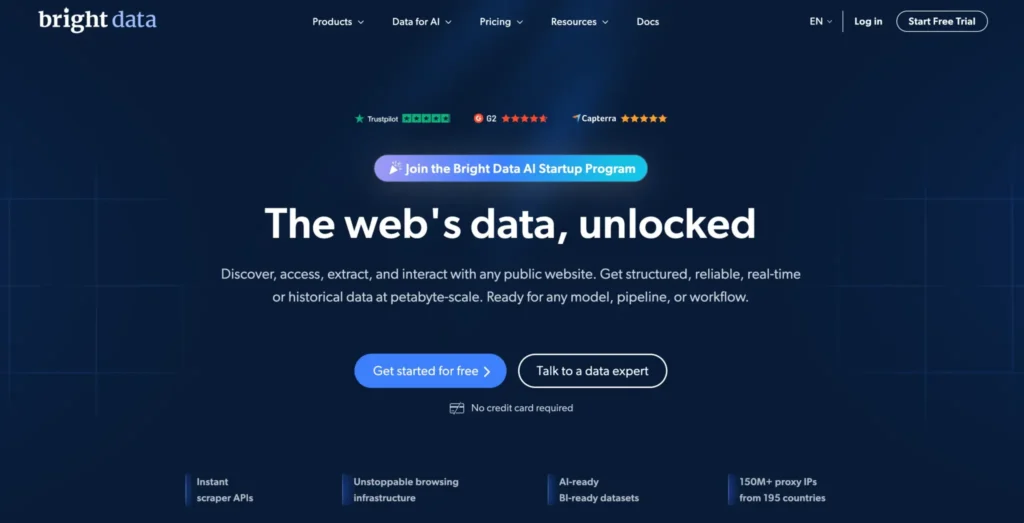
Bright Data is the premium choice when encrypted browsing is part of a serious operation, not a weekend test. The platform gives you residential, ISP, datacenter, and mobile proxies, with deep location targeting and strong session controls. For teams running browser profiles, regional SERP checks, ad verification, or compliance-heavy data collection, that level of control is worth paying for.
Its biggest strength is configuration. You can rotate IPs aggressively for research tasks or keep sticky sessions when login continuity matters.
The Proxy Manager and API options also help technical teams build repeatable setups instead of manually editing browser settings all day.
The downside is complexity. Bright Data is powerful, but new users may need time to understand zones, permissions, targeting, and billing. If you only need a few encrypted browsing sessions per month, it may be more machine than you need.
Best for: agencies, data teams, ad verification, brand monitoring, and enterprise privacy workflows.
Pro-Tip: Use residential IPs for reputation-sensitive browsing, ISP proxies for stable sessions, and datacenter proxies only when speed matters more than stealth.
2. Oxylabs
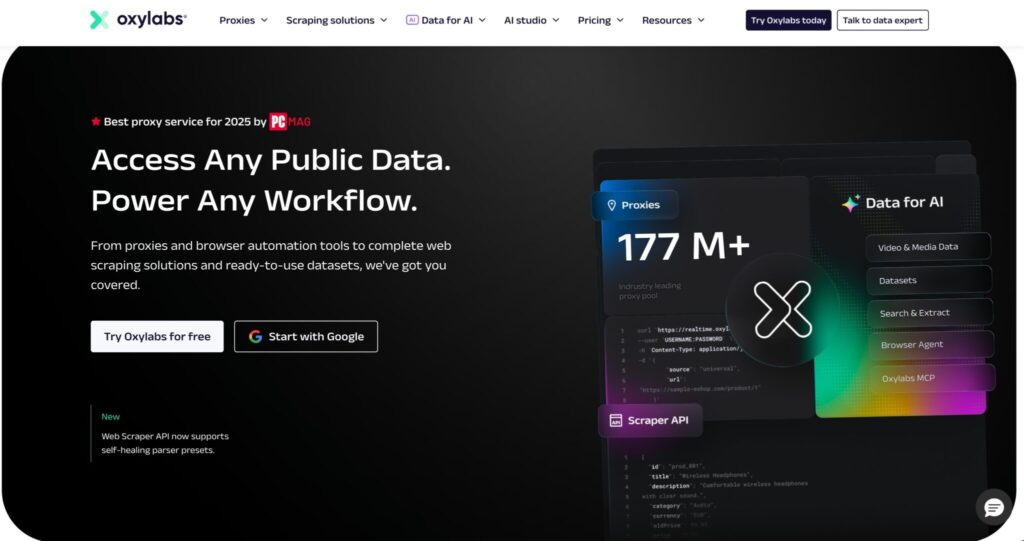
Oxylabs is another top-tier provider built for scale. It is especially strong for companies that need reliable HTTPS access, precise geo-targeting, and stable performance across large browsing or data collection projects. Its residential and static residential products are well-suited for encrypted browsing where IP reputation matters.
The platform supports modern proxy workflows, including HTTP, HTTPS, and SOCKS5 configurations. That makes it useful for browsers, custom scripts, anti-detect browsers, and professional research stacks. Oxylabs also tends to appeal to teams that want account management and support rather than a bare dashboard with a credit card form.
Pricing can be too much for casual users, but the value becomes clearer when downtime is expensive. If you are checking dozens of markets or running controlled browser sessions for client work, Oxylabs is built for that pressure.
Best for: enterprise research, high-volume browsing, market intelligence, and geo-sensitive testing.
3. Decodo
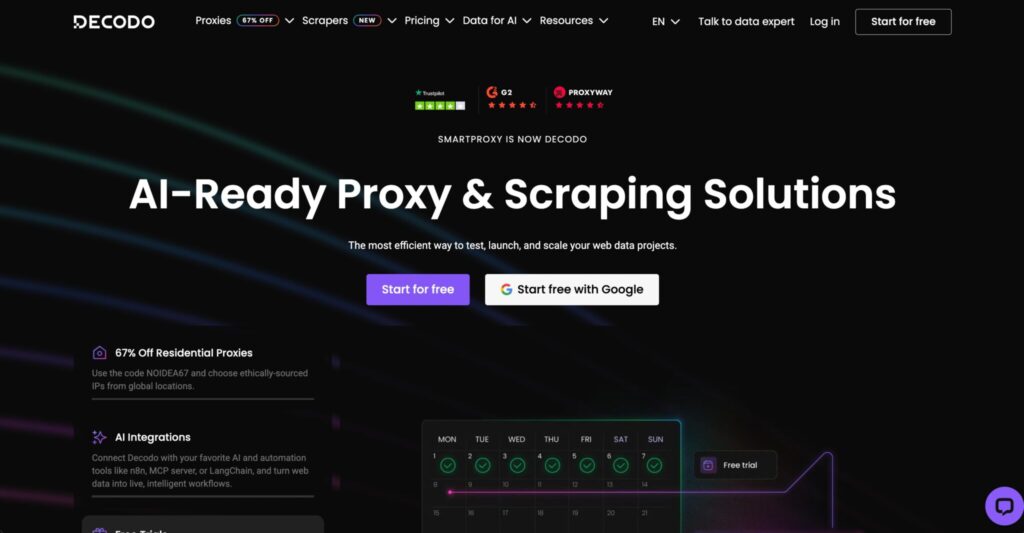
Decodo, formerly Smartproxy, hits a sweet spot between usability, network size, and pricing. It is easier to approach than many enterprise-first providers, while still offering the key pieces needed for encrypted browsing: HTTPS support, SOCKS5 options, rotating residential IPs, sticky sessions, and broad location coverage.
For SEO teams, affiliate marketers, and smaller agencies, Decodo is often easier to justify because the dashboard is clean and the setup process is not painful. You can use it for regional Google checks, competitor research, ad previews, marketplace monitoring, or browser-profile work without feeling like you need a DevOps person beside you.
The main thing to test is session behavior. For logins and account-based browsing, sticky sessions matter. For research and scraping-style browsing, rotating sessions are better. Decodo gives you both, but you should test your target sites before scaling.
Best for: marketers, SEO professionals, small agencies, and buyers who want strong value without enterprise friction.
4. SOAX
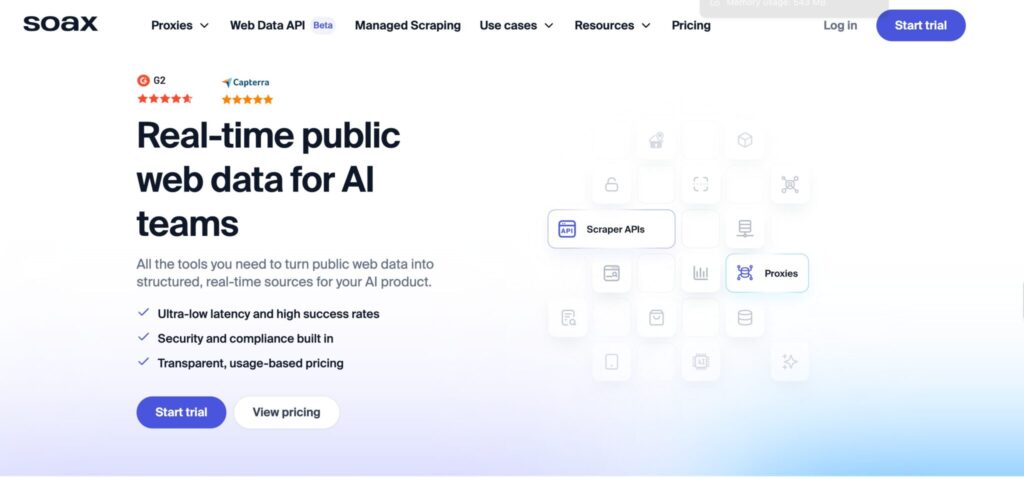
SOAX is a strong pick for users who care about targeting detail. It supports residential, mobile, ISP, and datacenter proxies, with HTTP, HTTPS, and SOCKS5 compatibility.
For encrypted browsing, that protocol flexibility is useful because you can test HTTPS proxy behavior against SOCKS5 depending on the browser, app, or automation setup.
SOAX stands out for clean geo-targeting and session options. If you need to browse from specific countries, cities, carriers, or networks, it gives you practical controls without burying everything in technical menus.
Its mobile proxies are also useful when you need browsing behavior closer to real mobile users.
The pricing structure is more serious than ultra-cheap tools, but the platform feels built for users who know they need quality. For privacy-sensitive browsing, that is usually a good trade.
Best for: geo-targeted browsing, mobile testing, regional content checks, and social or app research.
5. NetNut
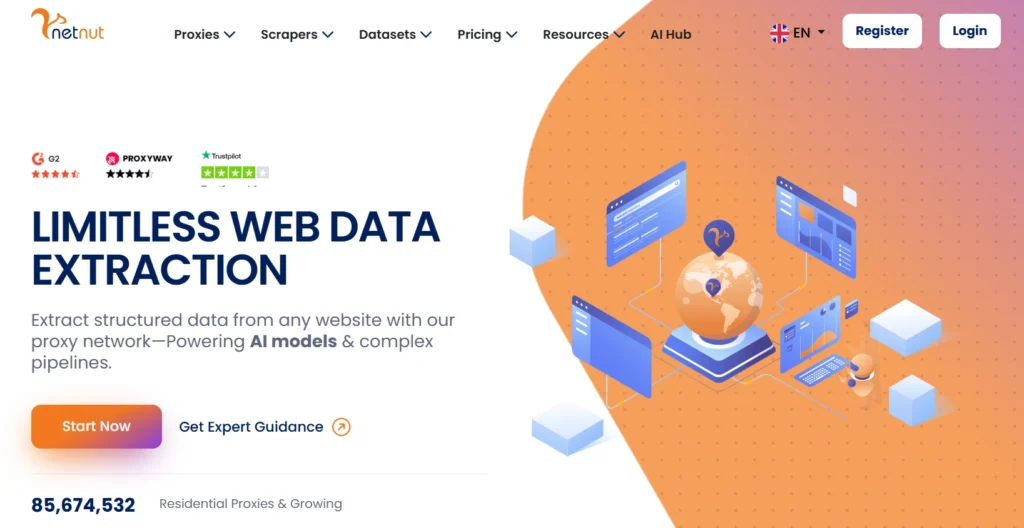
NetNut is designed for speed, stability, and scale. Its rotating residential network is useful for encrypted browsing tasks that need many IPs without constant blocks. It supports HTTP, HTTPS, and SOCKS5, which gives teams flexibility across browsers, scripts, and commercial tools.
A major advantage is its business-friendly setup. NetNut is not trying to be the cheapest proxy shop on the block. It is better suited for users who need dependable access, reporting, and high concurrency. If your browsing workload involves many regions or repeated sessions, NetNut deserves a serious test.
For small users, the entry point may feel less attractive than IPRoyal or Webshare. For teams that value stability, it can be a cleaner long-term choice.
Best for: high-volume encrypted browsing, scraping-adjacent research, and teams needing stable rotating residential access.
6. IPRoyal
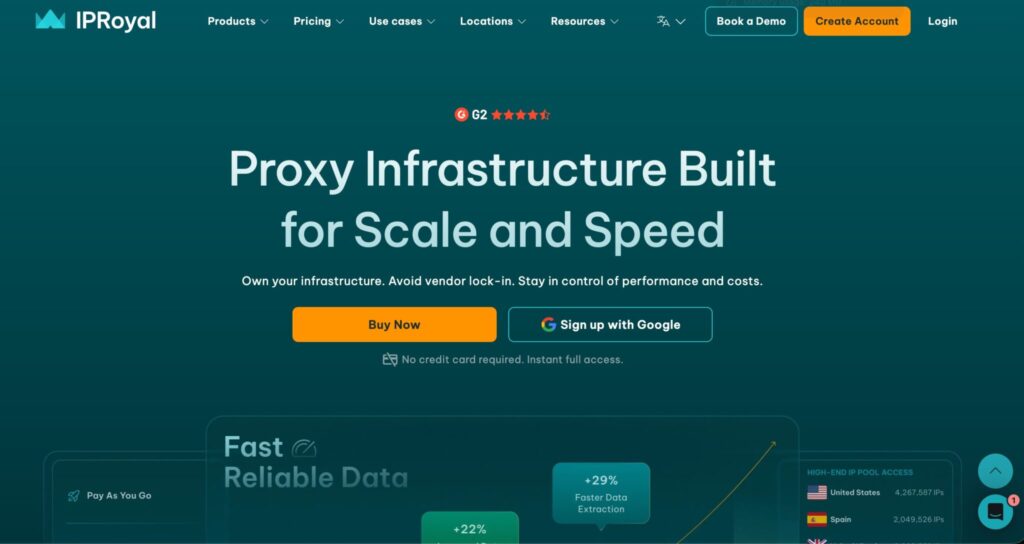
IPRoyal is a practical budget option for encrypted browsing. It offers residential, ISP, datacenter, and mobile proxies, with HTTP(S) and SOCKS5 support.
The interface is straightforward, the pricing is friendly, and the platform works well for users who do not need the massive infrastructure of Bright Data or Oxylabs.
Its residential proxies are useful for general private browsing, SEO checks, account management, and region-specific research. Sticky sessions help when you need continuity, while rotation helps when you want a new IP after a set period.
The trade-off is consistency. Like many lower-cost providers, performance can vary by country, city, and time of day. Test your exact target locations before buying a large plan.
Best for: freelancers, small teams, budget-conscious marketers, and light encrypted browsing.
7. Webshare
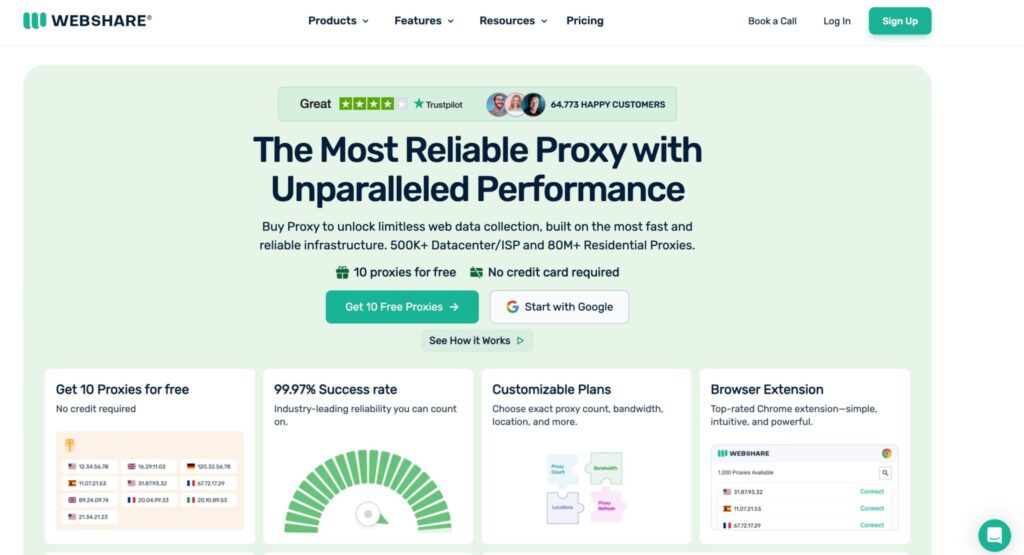
Webshare is one of the easiest providers to test when you want low-cost encrypted proxy access. It supports HTTP and SSL/HTTPS proxy usage, and also provides SOCKS5 endpoints. That makes it useful for browser setup, simple automation, and basic location testing.
The biggest appeal is affordability. Webshare gives users a clean dashboard, flexible proxy lists, and simple controls without forcing a sales call. It is a good place to start if you are testing proxy workflows or need dedicated datacenter proxies for fast browsing where residential reputation is not required.
For advanced privacy workflows, it is not as feature-rich as Bright Data, Oxylabs, or SOAX. Still, for many users, simple and affordable beats powerful but unused.
Best for: beginners, budget testing, datacenter proxy browsing, and simple HTTPS proxy setups.
How To Choose Proxies For Encrypted Browsing
Start With Protocol Support
For browser-based work, choose providers with HTTPS proxy support. For apps, multi-account tools, and non-browser traffic, SOCKS5 is often more flexible. The best providers support both, which lets you switch when a site or tool behaves differently.
Look At IP Pool Quality, Not Just Pool Size
A giant IP pool sounds impressive, but quality matters more. Ask whether the provider offers residential, ISP, mobile, and datacenter options. Residential IPs are better for trust. ISP proxies are strong for stable encrypted sessions. Datacenter proxies are fast and cheap, but easier to detect.
Match Rotation To The Job
Use rotating proxies when you need many fresh IPs across many visits. Use sticky sessions when you need to stay logged in or keep a shopping cart, dashboard, or profile session alive. For encrypted browsing, bad rotation timing can break sessions and trigger security checks.
Pro-Tip: If a website keeps logging you out, reduce rotation speed or switch to sticky ISP proxies.
Check Authentication And Access Control
Good proxy providers support username-password login and IP allowlisting. For team use, API controls and sub-users are useful. Never share one proxy login across uncontrolled devices if privacy matters.
Test Latency Before Scaling
Encrypted browsing adds overhead. Proxies add another hop. Test speed from your location to the provider’s gateway and from the proxy region to the target website. The “fastest” provider in one country can feel slow in another.
FAQs: Best Proxies For Encrypted Browsing
1. Are proxies encrypted?
Not always. HTTPS website traffic is encrypted between your browser and the destination site. HTTPS proxies and SOCKS5 proxies can route that traffic, but the proxy itself is not the same as end-to-end encryption.
2. Is SOCKS5 better than HTTPS for encrypted browsing?
SOCKS5 is more flexible, especially for apps and non-web traffic. HTTPS proxies are usually simpler for normal browser use. The better choice depends on your tool and target site.
3. Are proxies safer than VPNs?
Not automatically. VPNs usually encrypt all device traffic. Proxies usually work per app or browser. Proxies are better for rotation, geo-targeting, and multi-session work, while VPNs are simpler for full-device privacy.
4. Which proxy type is best for private browsing?
Residential and ISP proxies are usually best when trust and stability matter. Datacenter proxies are cheaper and faster, but they are more likely to be flagged by strict platforms.
5. Can I use free proxies for encrypted browsing?
You can, but you should not use them for anything sensitive. Free proxies are often slow, unstable, shared heavily, or poorly managed. Paid providers are safer for professional use.
6. What is the best proxy for SEO checks?
Decodo, Bright Data, SOAX, and Oxylabs are strong choices for SEO checks because they offer location targeting, rotation, and residential IPs. For simple rank checks, Webshare or IPRoyal can be enough.
7. Do proxies hide my IP address?
Yes, websites usually see the proxy IP instead of your real IP. Your proxy provider may still see connection metadata, so choose a reputable provider with clear policies and secure account controls.
Final Verdict
For the strongest encrypted browsing setup, pick Bright Data or Oxylabs if you need enterprise reliability. Choose Decodo or SOAX if you want a strong balance of usability, protocol support, and geo-targeting. NetNut fits teams that care about stable rotation at scale.
IPRoyal and Webshare are better for budget-conscious users who still want paid proxy control.
The real buying rule is simple: do not buy based on IP pool size alone. Buy based on protocol support, IP quality, rotation control, location accuracy, and session stability.
That is what separates secure encrypted browsing from just bouncing traffic through a random server.