
Best Proxies For Engagement Automation.
Engagement automation can go wrong fast when the proxy setup is weak. One day your workflow is running smoothly, and the next day your logins are getting challenged, actions are slowing down, or every account starts looking suspicious because the network pattern is messy.
That is why the proxy choice matters.
For ethical engagement workflows, such as managing owned brand accounts, agency QA, social listening, creator outreach tracking, testing ad placements, and monitoring public engagement signals, you need proxies that look stable, geo consistent, and technically clean.
You do not need random cheap IPs that rotate every few seconds and break sessions.
A good engagement automation proxy setup should do three things well: keep account sessions consistent, support location targeting, and give you enough IP diversity without creating chaotic traffic patterns.
Below is a detailed guide to the best proxy providers for professional engagement automation.
Quick Comparison Table
| Provider | Best For | Proxy Types | IP Pool Claim | Rotation Control | Geo Targeting | Starting Price Snapshot | Main Strength |
|---|---|---|---|---|---|---|---|
| Bright Data | Enterprise teams | Residential, ISP, mobile, datacenter | 150M plus | Strong | Country, city, ASN, carrier options | Residential from around $5.88 per GB, promos may vary | Deep controls and compliance |
| Oxylabs | Large scale automation and data teams | Residential, mobile, ISP, datacenter | 175M plus | Strong | 195 locations, city and ZIP targeting | Residential pricing varies by plan | Premium network quality |
| Decodo | Agencies and mid market users | Residential, mobile, ISP, datacenter | 115M plus | Flexible sticky and rotating sessions | Country, city, state | Residential from around $2 per GB on larger plans | Easy setup and value |
| SOAX | Geo sensitive workflows | Residential, mobile, ISP, datacenter | 191M plus across products | Strong sticky controls | City, region, ISP, ASN | Bundles from around $3.60 per GB | Precise targeting |
| IPRoyal | Budget friendly automation | Residential, ISP, mobile, datacenter | 32M plus | Rotating and sticky | 195 countries | Residential from $7 per GB at 1 GB, lower at volume | Non expiring traffic |
| Webshare | Lean teams and testers | Residential, static residential, datacenter | 80M plus residential | Basic to moderate | Country and city | Residential from around $1.40 per GB at high volume | Low cost and simple dashboard |
| NetNut | Stable business workflows | Residential, mobile, ISP, datacenter | 85M plus residential | Rotating and static options | 195 plus countries | Custom and plan based | ISP backed stability |
| Rayobyte | Mixed proxy stacks | Residential, ISP, datacenter | Smaller but business focused | Moderate | Geo targeting available | Residential from low per GB tiers at volume | Good ISP and datacenter options |
| ProxyEmpire | Rollover traffic and mobile use | Residential, static residential, mobile, datacenter | Broad global pool | Sticky and rotating | Country, region, city, ISP | Residential from low per GB tiers at volume | Traffic rollover |
| DataImpulse | Low cost scaling | Residential and mobile | 90M plus residential | Rotating and sticky | 195 countries | Residential from $1 per GB | Simple pay as you go pricing |
1. Bright Data
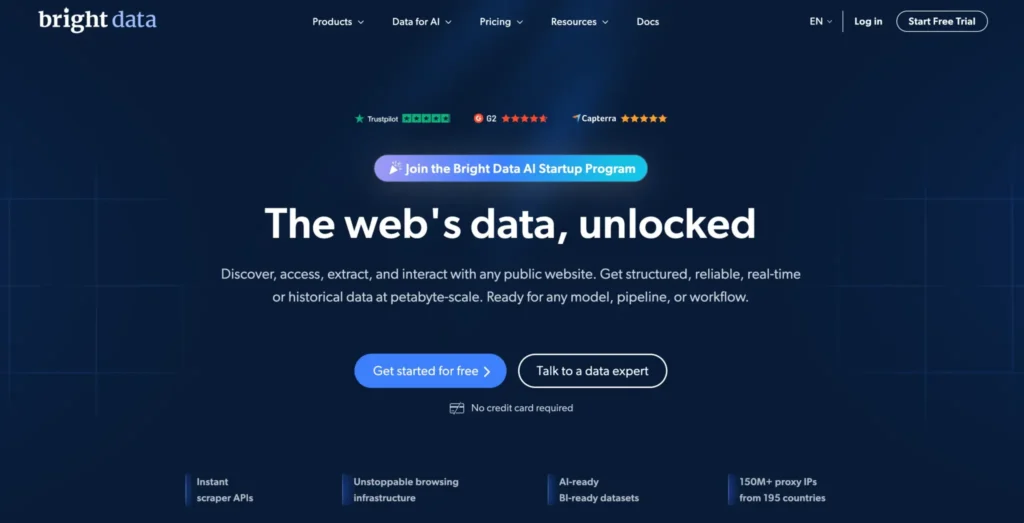
Bright Data is the serious enterprise choice for engagement automation teams that need control, scale, and cleaner compliance processes. It offers residential, ISP, mobile, and datacenter proxies, which gives you room to build different traffic profiles for different workflows.
For engagement automation, the real value is not just the big IP pool. It is the level of control. You can work with geo targeting, session rules, proxy zones, and advanced routing. That matters when you are managing workflows across different markets and need location consistency.
Bright Data is not the cheapest option. It is best for agencies, SaaS teams, marketplaces, research teams, and brands that need dependable infrastructure rather than bargain pricing.
Pro Tip: Use Bright Data when account quality matters more than saving a few dollars per GB. Keep one account tied to one stable location pattern instead of jumping countries.
2. Oxylabs
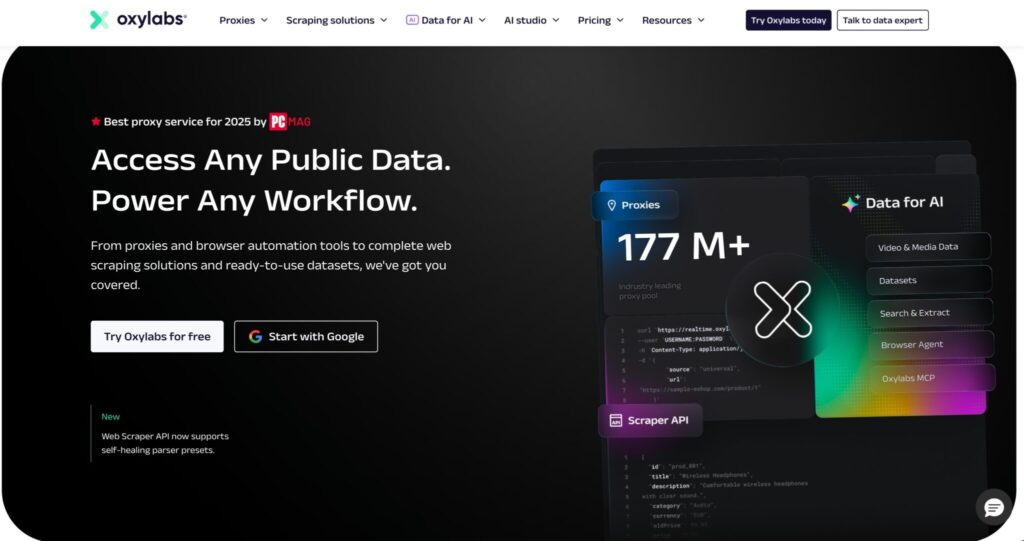
Oxylabs is one of the strongest premium providers for large scale proxy operations. Its residential pool is huge, and the platform supports residential, mobile, ISP, and datacenter proxies. For engagement automation, Oxylabs works well when you need clean sessions, global reach, and dependable support.
The platform is especially useful for teams running automation with strict internal rules. You can set up country, city, state, and ZIP level targeting, which helps when accounts or campaigns are tied to specific locations.
Oxylabs is a better fit for professional teams than casual users. Pricing can feel high if you only need a small test setup, but the reliability is strong.
Pro Tip: For engagement workflows, choose sticky residential sessions when logging in or managing account dashboards. Use rotating sessions for public monitoring tasks only.
3. Decodo
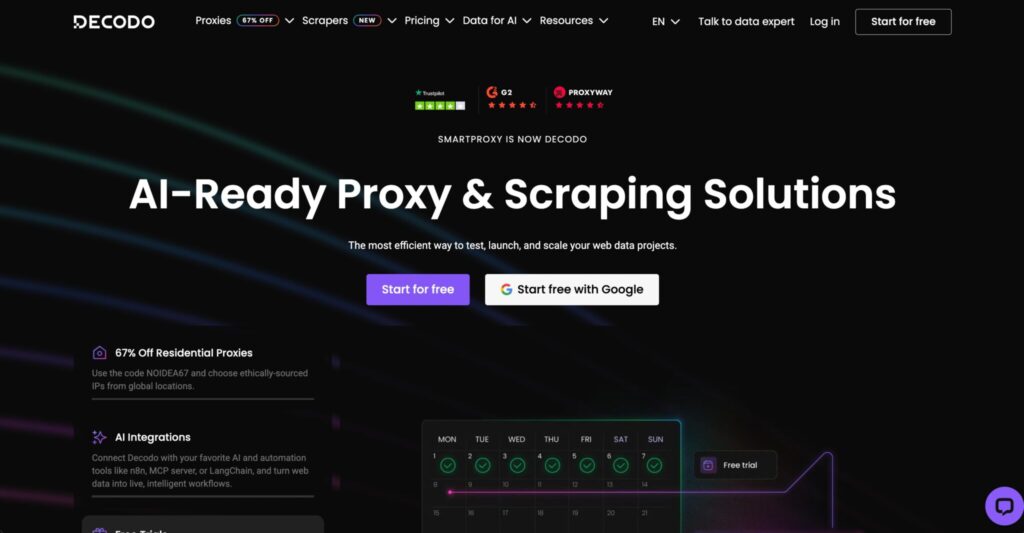
Decodo, formerly Smartproxy, has become one of the easiest proxy providers to recommend for agencies and growing teams. It balances price, usability, and network size well.
The dashboard is clean, the setup is beginner friendly, and the residential pricing is competitive.
For engagement automation, Decodo is a solid pick when you want residential proxies without enterprise complexity.
It supports rotating and sticky sessions, which gives you enough control for owned account workflows, testing, and monitoring.
It is not as deep as Bright Data or Oxylabs for advanced enterprise routing, but many teams will not need that much complexity.
Pro Tip: Start with Decodo if you want a stable middle ground. It is strong enough for professional use but not overly complicated.
4. SOAX
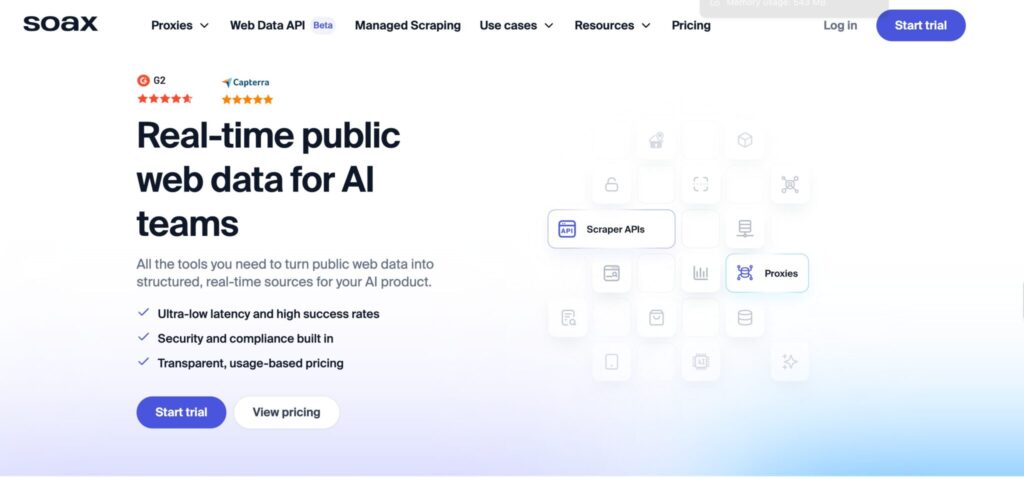
SOAX is built for users who care about targeting. If your engagement workflows need location precision, SOAX deserves a close look. It offers access to residential, mobile, ISP, and datacenter proxies, with targeting options such as city, region, ASN, and ISP.
This is useful for local engagement testing, regional campaign monitoring, and workflows where the traffic source needs to match the market being tested. SOAX also has strong sticky session options, which are important for account based activity.
The pricing is not the cheapest, but the targeting control makes it valuable.
Pro Tip: Use SOAX when you need traffic to match a specific city or carrier profile. Do not over rotate when a workflow depends on session trust.
5. IPRoyal
IPRoyal is a good choice for smaller teams that want residential proxies without monthly waste. Its big advantage is non expiring traffic, which is helpful if your automation volume changes from month to month.
For engagement automation, IPRoyal works well for light to moderate workloads, especially when you need residential IPs across many countries but do not want a large monthly contract. It also offers ISP, mobile, and datacenter proxies, so you can test different proxy types.
The pool is smaller than premium giants, but the pricing model is friendly.
Pro Tip: IPRoyal is useful for agencies testing new workflows. Buy a small amount of traffic, test session quality, then scale only the locations that perform well.
6. Webshare
Webshare is one of the best budget friendly proxy platforms. It is simple, affordable, and easy to configure. For engagement automation testing, it can be a smart entry point.
Webshare offers residential, static residential, and datacenter proxies. The residential pricing becomes attractive at higher bandwidth levels, while static residential proxies can help when a workflow needs a stable IP identity.
The downside is that Webshare is not as feature rich as premium providers. Support and advanced tools are lighter. Still, for lean teams, it offers strong value.
Pro Tip: Use Webshare for testing tools, warming up internal workflows, and light engagement monitoring. For sensitive account operations, test static residential options first.
7. NetNut
NetNut is a strong business focused provider with residential, mobile, ISP, and datacenter options. Its network is known for stability, and that matters when automation tools depend on consistent connections.
For engagement automation, NetNut is a good fit when you need fewer interruptions and more predictable routing. It is especially useful for companies that run ongoing workflows instead of quick one off tests.
Pricing is less beginner friendly than low cost providers, so it is better suited to teams with steady usage.
Pro Tip: NetNut works best when you want stable infrastructure for repeat workflows. Build your setup around fewer, higher quality IP routes.
8. Rayobyte
Rayobyte is a practical option for users who want a mixed proxy stack. It offers residential, ISP, and datacenter proxies, and it is especially known for static proxy products.
For engagement automation, Rayobyte can be useful when you need stable ISP proxies for account dashboards, plus cheaper datacenter proxies for non sensitive tasks. This hybrid approach can reduce costs without weakening your core workflow.
Its residential network is not marketed like the biggest providers, but its pricing and ISP options make it worth considering.
Pro Tip: Use Rayobyte ISP proxies for account consistency and datacenter proxies only for basic testing or public page checks.
9. ProxyEmpire
ProxyEmpire is useful for teams that want flexible residential and mobile options with traffic rollover. That rollover feature can be valuable if your engagement workload changes month to month.
For automation tied to social or creator workflows, mobile proxies may be useful for testing how platforms behave across carrier networks. Residential and static residential options can support more stable sessions.
ProxyEmpire may not feel as polished as Decodo or Bright Data, but it has a practical feature set for marketers.
Pro Tip: ProxyEmpire is worth testing if you do not want unused bandwidth to disappear each billing cycle.
10. DataImpulse
DataImpulse is one of the most attractive low cost options for teams that need simple residential proxy access. Its $1 per GB positioning makes it appealing for early testing, QA, and low margin workflows.
For engagement automation, DataImpulse can work well for public monitoring, regional checks, and smaller owned account workflows. It also supports a large residential pool and global coverage.
The tradeoff is that cheaper providers often need more testing. You should check success rates, session stability, and location quality before using it for serious account based tasks.
Pro Tip: Use DataImpulse for controlled testing first. Track failed requests and login checks before scaling.
How To Choose Proxies For Engagement Automation
Start With The Right Proxy Type
Residential proxies are usually the safest default for engagement automation because they come from real ISP assigned networks. They are useful for account management, public engagement checks, and geo based workflows.
ISP proxies are better when you need a stable identity. They combine residential trust signals with datacenter style speed. Use them for dashboards, logins, and long sessions.
Mobile proxies are useful for mobile first platforms, app testing, and carrier based checks. They are powerful, but usually more expensive.
Datacenter proxies are fast and cheap, but they are easier to flag. Use them for basic QA, not sensitive account workflows.
Understand IP Pools
A bigger IP pool is helpful, but it is not everything. What matters is pool quality, location depth, freshness, and how the provider sources its IPs.
For engagement automation, avoid using one tiny subnet for many accounts. Also avoid constant location jumping. A clean setup should make sense: one account, one region, one consistent proxy pattern.
Rotation Protocols Matter
Rotation is not about changing IPs as often as possible. That is a common mistake.
Use sticky sessions for logins, dashboards, posting tools, CRM actions, and any workflow tied to a specific account. A session can stay stable for several minutes or longer, depending on the provider.
Use rotating sessions for public data checks, engagement monitoring, QA scans, and non account based activity.
HTTP and HTTPS proxies are enough for most browser based tools. SOCKS5 is useful when you need broader app support or lower level connection handling.
Match Location To Account Context
If an account is tied to the United States, do not run it from Germany in the morning, India at lunch, and Brazil at night. That looks messy even without heavy automation.
Pick a country, city, or region that matches the account’s real business use. Keep it consistent.
Test Before Scaling
Before buying a large plan, test five things: login stability, session length, failed requests, speed, and location accuracy. A provider can look great on paper and still perform poorly for your specific platform.
Best Overall Picks
For enterprise teams, Bright Data and Oxylabs are the strongest choices.
For agencies, Decodo and SOAX offer the best balance of control, pricing, and ease of use.
For budget conscious users, IPRoyal, Webshare, and DataImpulse are practical starting points.
For stable account workflows, NetNut, Rayobyte ISP proxies, and static residential proxies from trusted providers are worth testing.
FAQs
What are the best proxies for engagement automation?
Residential and ISP proxies are usually the best choices. Residential proxies provide natural network diversity, while ISP proxies offer more stable sessions for account based workflows.
Are datacenter proxies good for engagement automation?
They can work for basic testing, but they are not ideal for sensitive account activity. Datacenter IPs are easier to identify and may create more challenges on strict platforms.
Should I use rotating or sticky proxies?
Use sticky proxies for logins and account management. Use rotating proxies for public monitoring, QA checks, and non account based tasks.
How many proxies do I need?
It depends on your number of accounts, volume, and platform rules. A safer setup usually gives each important account its own stable location pattern instead of forcing many accounts through one IP.
Are mobile proxies better than residential proxies?
Mobile proxies can be better for mobile first platforms and app testing, but they cost more. Residential proxies are usually enough for most engagement workflows.
What is the biggest mistake in proxy rotation?
The biggest mistake is rotating too often. Fast rotation can break sessions and create unusual login patterns. Consistency is usually better than constant change.
Which proxy provider is best for beginners?
Decodo, IPRoyal, and Webshare are easier for beginners. They have simple dashboards, flexible plans, and lower entry costs than enterprise providers.
Which provider is best for large teams?
Bright Data and Oxylabs are stronger for large teams because they offer deeper controls, wider networks, and better enterprise support.
Do proxies guarantee safe automation?
No. Proxies only handle the network layer. Your automation speed, account behavior, tool quality, and compliance with platform rules matter just as much.
Final Buying Advice
The best proxy for engagement automation is not always the biggest or cheapest provider. It is the provider that gives you clean IPs, stable sessions, accurate locations, and enough control to keep your workflow consistent.
For most teams, Decodo is the safest starting point. SOAX is better if targeting matters. Bright Data and Oxylabs are best for serious scale. IPRoyal, Webshare, and DataImpulse are smart choices when budget matters.
Start small, test carefully, and build your proxy stack around account stability rather than aggressive rotation. That is how professional engagement automation stays reliable.