
Best Proxies For Search Visibility Tracking.
Search visibility tracking sounds simple until you try doing it at scale. One keyword from one city is easy. Ten thousand keywords across devices, languages, states, ZIP-level markets, and search engines? That is where clean proxy infrastructure starts to matter.
For SEO teams, agencies, ecommerce brands, and rank-tracking platforms, proxies are not just about hiding an IP. They help you see search results the way real users see them.
A SERP in Mumbai can look different from a SERP in Miami. Mobile results may shift from desktop. Local packs, ads, map listings, AI summaries, shopping boxes, and organic rankings all depend on location, device signals, IP quality, and request behavior.
The best proxies for search visibility tracking should give you three things: accurate geo-targeting, stable IP rotation, and low block rates without destroying your budget.
You do not always need the biggest provider. You need the right pool, the right session logic, and enough control to avoid messy data.
Below is a practical buyer’s guide based on what actually matters for SERP monitoring, keyword rank tracking, local SEO audits, ad visibility checks, and competitive search intelligence.
What Makes a Proxy Good for Search Visibility Tracking?
A proxy for search visibility tracking must produce realistic, repeatable search results. That means IPs should match the country, city, or region you are testing. Rotation should be controlled enough to avoid rate limits, but not so aggressive that every query looks unstable.
Residential proxies are usually the safest choice for localized SERP tracking because they use real consumer-like IPs. ISP proxies are better when you need speed and cleaner long-running sessions. Datacenter proxies are cheaper, but search engines may flag them faster when request volume gets heavy.
For serious tracking, look for:
- Large residential or ISP proxy pools
- Country, state, and city targeting
- Rotating and sticky sessions
- HTTP(S) and SOCKS5 support
- Clear bandwidth pricing
- Good uptime
- API access
- Clean dashboard reporting
- Compliance controls
Pro Tip: For rank tracking, do not rotate IPs on every single query blindly. Rotate by keyword batch, location group, or search engine endpoint. This keeps the data cleaner and reduces unnecessary failures.
Massive Comparison Table: Best Proxies For Search Visibility Tracking
| Proxy Provider | Best For | Proxy Types | Geo-Targeting | Rotation Control | Pool Strength | Best Use Case |
|---|---|---|---|---|---|---|
| Bright Data | Enterprise SERP tracking | Residential, ISP, datacenter, mobile | Country, city, ASN, carrier options | Advanced rotation and sticky sessions | Very large | Large SEO platforms and agencies |
| Oxylabs | High-volume search intelligence | Residential, mobile, ISP, datacenter | Country, city, state, coordinate options | Automatic rotation and session control | Very large | Enterprise SERP scraping and market tracking |
| Decodo | Mid-market SEO teams | Residential, ISP, mobile, datacenter | 195+ locations | Rotating and sticky sessions | Large | Agencies needing balance of price and quality |
| SOAX | Geo-sensitive tracking | Residential, mobile, ISP | Strong country, region, city targeting | Auto-rotation and sticky sessions | Large | Local SEO and ad visibility checks |
| NetNut | Stable data collection | Residential, ISP, datacenter | 195+ countries | Sticky sessions and private pools | Large | Continuous search visibility pipelines |
| IPRoyal | Budget-conscious SEO users | Residential, datacenter, ISP, mobile | Country, state, city targeting | Random and sticky sessions | Medium-large | Freelancers and smaller SEO teams |
| Webshare | Affordable tracking setup | Residential, static residential, datacenter | Broad global targeting | Rotating endpoints | Large | Cost-controlled rank checks |
| Rayobyte | ISP and US-focused tracking | Residential, ISP, datacenter, mobile | Strong US options | Rotating ISP and residential options | Medium | Regional tracking and stable sessions |
| Nimble | Managed SERP collection | Residential-backed data platform | Geo-targeting through platform | Managed proxy layer | Strong platform focus | Teams wanting less proxy engineering |
1. Bright Data
Bright Data is the heavyweight option for search visibility tracking. It is built for teams that want deep control, a large proxy pool, and extra tooling around data collection. For SERP monitoring, the biggest advantage is flexibility.
You can use residential proxies for realistic localized searches, ISP proxies for stable sessions, mobile proxies for mobile-first checks, and datacenter proxies for cheaper non-sensitive workloads.
The rotation system is strong. You can use random rotation for broad keyword checks or sticky sessions when you need repeated queries from a similar location. That is useful when tracking volatile SERP elements like local packs, paid ads, AI overviews, and shopping modules.
Bright Data is not the cheapest option. It also has a learning curve. But for enterprise SEO platforms, affiliate teams running high-intent keyword tracking, or agencies managing clients across multiple countries, it gives you the control needed to build reliable visibility reports.
Pro Tip: Use Bright Data when accuracy matters more than raw cost. For example, location-level rank tracking for legal, travel, finance, healthcare, or ecommerce campaigns needs cleaner IP quality than basic scraping jobs.
Best For
Large SEO agencies, SERP intelligence platforms, enterprise ecommerce brands, and teams needing advanced proxy controls.
2. Oxylabs
Oxylabs is another enterprise-grade provider with a massive residential proxy network and strong infrastructure for large-scale data collection. For search visibility tracking, Oxylabs works well when you need high success rates across many regions without constantly tuning your setup.
Its residential proxies are useful for tracking organic rankings, competitor visibility, search ads, local SERPs, and product search results. The provider also offers mobile proxies, which can be valuable because mobile SERPs often show different layouts, ad placements, and local results compared with desktop.
Oxylabs is especially attractive for teams with technical resources. If your workflow includes scheduled crawlers, internal dashboards, or rank-tracking pipelines, Oxylabs gives you enough infrastructure depth to handle scale.
The downside is pricing. Smaller teams may find it more than they need. But for serious search intelligence, it is one of the safest picks.
Pro Tip: Use mobile proxies only where they actually affect the result. Running every keyword through mobile IPs can burn budget fast. Prioritize local-intent, app-related, map-heavy, and shopping-heavy keywords.
Best For
Enterprise SEO tracking, competitive SERP monitoring, large keyword sets, and search data pipelines.
3. Decodo
Decodo, formerly Smartproxy, is one of the strongest middle-ground choices for search visibility tracking. It offers a large residential proxy network, a friendly dashboard, sticky and rotating sessions, and broad location coverage without feeling as complex as enterprise-first platforms.
For SEO agencies, Decodo hits a practical sweet spot. It is powerful enough for tracking rankings across multiple countries and cities, yet simple enough for teams that do not want to spend days configuring proxy zones. Its residential proxies work well for general SERP checks, local result testing, competitor visibility tracking, and ad verification.
Decodo’s sticky sessions are useful when you want consistent location signals. Rotating sessions are better for large keyword pulls. This flexibility makes it a good choice for agencies that run both daily keyword monitoring and one-off audits.
It may not offer the same deep enterprise compliance tooling or advanced controls as Bright Data, but for many SEO teams, that is not a dealbreaker.
Pro Tip: If your rank tracker allows custom proxy credentials per location group, create separate Decodo endpoints for your top markets. It keeps tracking cleaner and makes troubleshooting easier.
Best For
SEO agencies, mid-sized publishers, affiliate teams, and content teams tracking rankings across multiple markets.
4. SOAX
SOAX is a strong choice when your search visibility work depends heavily on location accuracy. It is often used for tasks where country, city, and regional targeting matter, which makes it suitable for local SEO checks, map pack monitoring, and ad visibility testing.
The provider supports automatic rotation and sticky sessions, giving you enough control for different SERP tracking patterns. A sticky session can help when you need to compare several related keywords from the same market. Auto-rotation is better when you are pulling large keyword batches and want to avoid hitting search engines too frequently from one IP.
SOAX can be a good fit for agencies working with local businesses, franchises, marketplaces, and regional campaigns. If you are tracking “near me” style keywords, location accuracy matters more than just pool size.
The interface is approachable, but users should still test locations before committing to large plans. Not every proxy provider performs equally well in every city or country.
Pro Tip: For local SEO, always validate proxy location using more than one signal. IP location databases can disagree, and search engines may interpret location differently from third-party lookup tools.
Best For
Local SEO, map tracking, regional SERP checks, franchise campaigns, and ad visibility monitoring.
5. NetNut
NetNut is well-suited for stable, ongoing data collection. Its rotating residential proxy pool and sticky session options make it useful for teams that need consistent search tracking without too much manual proxy management.
One of NetNut’s advantages is its focus on reliable connectivity. For search visibility tracking, this matters because failed requests can create gaps in ranking reports. If your dashboard shows missing keywords every morning, the problem is not just annoying. It can lead to poor client reporting and wrong decisions.
NetNut can work well for rank-tracking platforms, agencies with scheduled crawls, and companies monitoring search visibility across many product categories. Its private pool options can also be useful when shared pools become noisy.
It may not always be the cheapest provider for small teams, but it gives a strong mix of scale and stability.
Pro Tip: For daily rank tracking, consistency is more important than maximum speed. A slower crawl with fewer blocks is better than a fast crawl full of retries and bad data.
Best For
Scheduled SERP tracking, SaaS rank-tracking tools, enterprise dashboards, and stable long-running workflows.
6. IPRoyal
IPRoyal is a practical choice for smaller SEO teams, freelancers, and budget-conscious agencies. It offers residential proxies with rotating and sticky session controls, plus location targeting at country, state, and city levels.
For search visibility tracking, IPRoyal makes sense when you need functional proxy coverage without enterprise pricing. It can handle keyword checks, competitor monitoring, basic local SEO validation, and smaller rank-tracking jobs.
Its sticky session flexibility is useful because you can keep the same IP for a chosen period instead of rotating too often. That is helpful when checking multiple SERP elements for the same location, such as ads, organic results, map listings, and shopping results.
The trade-off is scale. For very large SERP operations, enterprise providers may offer stronger support, more tooling, and better consistency. But for lean SEO teams, IPRoyal offers good value.
Pro Tip: Start with a smaller bandwidth package and test your main markets first. Proxy performance varies by location, and your target countries matter more than global pool size.
Best For
Freelancers, small agencies, affiliate marketers, local rank checks, and budget-friendly SERP monitoring.
7. Webshare
Webshare is one of the more affordable options for teams that want to test proxy-based tracking without committing to large monthly contracts. It offers rotating residential proxies, static residential proxies, and datacenter proxies.
For search visibility tracking, Webshare is best used in cost-sensitive workflows. You can use residential proxies for location-sensitive queries and static residential or datacenter proxies for lighter tasks where detection risk is lower.
The dashboard is simple, pricing is transparent, and setup is friendly for users who do not want heavy configuration. That makes it a good entry point for SEO teams building their first tracking workflow.
It may not have the same premium support or advanced SERP tooling as larger providers, but the pricing makes it attractive for testing, smaller keyword sets, and internal audits.
Pro Tip: Use Webshare for controlled keyword samples, not uncontrolled high-volume scraping. Good proxy hygiene matters more when you are working with a budget provider.
Best For
Small SEO projects, testing, budget rank tracking, and lightweight market visibility checks.
8. Rayobyte
Rayobyte is a solid option if your search visibility work leans toward ISP proxies, US regional tracking, or stable sessions. The provider offers residential, ISP, datacenter, rotating ISP, and mobile proxy products, which gives teams several ways to build a tracking stack.
For SERP tracking, rotating ISP proxies can be useful because they combine some of the stability of ISP-hosted infrastructure with rotation behavior. This can work well for repeatable keyword checks where residential bandwidth costs are too high.
Rayobyte is also worth considering for teams that care about US search visibility. If you are tracking rankings for city-level campaigns, lead generation sites, or local service businesses, regional performance should be tested carefully.
The platform may not be as globally dominant as Bright Data or Oxylabs, but it offers a practical mix for specific use cases.
Pro Tip: ISP proxies can be a strong middle path for rank tracking. They are usually faster and more stable than peer residential IPs, but often cleaner than basic datacenter proxies.
Best For
US SEO tracking, ISP proxy workflows, regional SERP monitoring, and stable search data collection.
9. Nimble
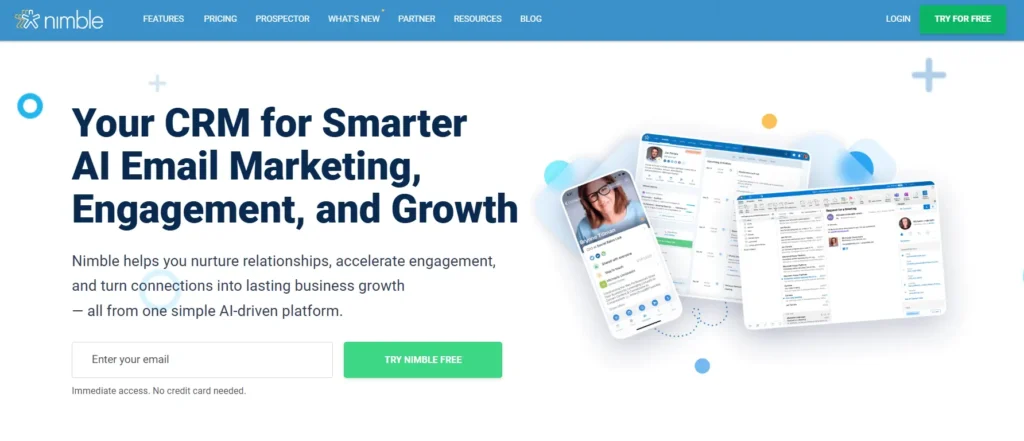
Nimble is different from traditional proxy providers because it focuses more on managed web data collection. Instead of simply giving you proxies and leaving you to build everything, Nimble leans toward infrastructure that helps teams collect public web data with less engineering work.
For search visibility tracking, this can be useful if your team wants SERP data but does not want to manage proxy rotation, retries, browser rendering, blocks, and parsing logic internally.
The upside is convenience. The downside is less low-level control compared with raw proxy vendors. If your team already has a custom rank-tracking engine, you may prefer direct proxy access. If you want cleaner managed workflows, Nimble is worth reviewing.
Pro Tip: Managed platforms are often more expensive per request, but cheaper in engineering time. For agencies with limited technical staff, that trade-off can make sense.
Best For
Teams that want managed search data collection rather than building every part of the proxy stack manually.
How To Choose Proxies For Search Visibility Tracking
Choosing the best proxy is not about picking the provider with the biggest number on the homepage. Search visibility tracking has its own technical needs.
1. Match Proxy Type To SERP Sensitivity
Use residential proxies for local SERPs, search ads, map packs, and competitive tracking. Use ISP proxies for stable, repeated checks. Use datacenter proxies only for low-risk, non-local, or internal testing.
2. Check Geo-Targeting Depth
Country targeting is not enough for local SEO. You may need city, state, ASN, or carrier targeting. For “best dentist in Dallas” or “LLC service near me,” search engines care deeply about location signals.
3. Control Rotation Logic
Per-request rotation is not always ideal. For search visibility tracking, sticky sessions often give cleaner results when checking multiple related keywords from one location. Rotating sessions help with scale, but too much rotation can create inconsistent reporting.
4. Test Success Rate By Market
A proxy that works well in the US may perform poorly in smaller countries. Always test your main target markets before buying a large package.
5. Watch Bandwidth Costs
SERP pages can be heavy, especially if you use browser rendering. Mobile SERPs, JavaScript, screenshots, and retries can eat bandwidth quickly. Cheap per-GB pricing matters, but failed requests can make cheap proxies expensive.
6. Respect Search Engine Limits
Good tracking systems use delays, retries, caching, and sensible crawl schedules. Hammering search engines with aggressive automated traffic is a fast way to create blocks and unreliable data.
Final Verdict: Which Proxy Should You Pick?
For enterprise-grade search visibility tracking, Bright Data and Oxylabs are the strongest choices. They offer deep infrastructure, large pools, and advanced controls.
For agencies that want strong performance without enterprise complexity, Decodo and SOAX are easier to recommend. Decodo is the balanced pick, while SOAX is better for location-sensitive tracking.
For stable ongoing pipelines, NetNut deserves attention. For smaller teams and affiliate marketers, IPRoyal and Webshare offer better entry-level value. Rayobyte is a smart option when ISP proxies or US regional tracking matter. Nimble is worth considering when you want managed data collection rather than raw proxy handling.
The best setup may use more than one provider. Many serious SEO teams use residential proxies for local SERP checks, ISP proxies for stable recurring jobs, and cheaper datacenter proxies for low-risk testing.
FAQs: Best Proxies For Search Visibility Tracking
1. What are the best proxies for search visibility tracking?
The best options are usually residential or ISP proxies from providers like Bright Data, Oxylabs, Decodo, SOAX, NetNut, IPRoyal, Webshare, and Rayobyte. The right choice depends on your keyword volume, target locations, budget, and technical setup.
2. Are residential proxies better for SERP tracking?
Yes, residential proxies are usually better for SERP tracking because they look closer to real user traffic. They are especially useful for local SEO, map results, paid search visibility, and region-specific rankings.
3. Should I use rotating or sticky proxies for rank tracking?
Use sticky sessions when you need consistent results from the same location. Use rotating proxies when you are checking large keyword batches and want to reduce blocks. Many SEO teams use both.
4. Can datacenter proxies work for search visibility tracking?
They can work for basic tracking, but they are easier to detect at scale. Datacenter proxies are better for low-risk testing, non-local checks, or internal workflows where perfect SERP accuracy is not critical.
5. How many proxies do I need for SERP monitoring?
It depends on keyword volume, search engines, locations, and crawl frequency. A small local SEO campaign may need only a modest residential plan. A national rank tracker may need large residential or ISP pools with controlled rotation.
6. Why do search results change by proxy location?
Search engines personalize results based on location, device, language, and user intent. A proxy lets you simulate searches from different markets, which helps you see rankings closer to what real users see.
7. What is the biggest mistake when using proxies for SEO tracking?
The biggest mistake is rotating too aggressively without a clear strategy. Poor rotation creates noisy data, failed requests, and inconsistent rankings. Clean session planning matters as much as proxy provider choice.
8. Are proxies legal for search visibility tracking?
Proxies themselves are legal tools, but how you use them matters. Stick to public data, respect platform rules, avoid abusive request patterns, and follow applicable laws in your region.
9. Which proxy provider is best for local SEO tracking?
SOAX, Decodo, Bright Data, and Oxylabs are strong options for local SEO because they offer broad location targeting and residential proxy access. For smaller budgets, IPRoyal is also worth testing.