
Steam looks simple from the outside. You open the store, check prices, read reviews, track charts, maybe monitor regional availability. Then you try doing that at scale and the cracks show up fast.
Pages slow down. Requests start failing. Login sessions get sensitive. Regional data does not match what your team sees elsewhere.
One IP becomes a bottleneck, especially during big Steam sales when traffic jumps and store pages change quickly.
That is where Steam proxies make sense.
A good proxy setup can help with public Steam data collection, localized store testing, review monitoring, price tracking, QA, and market research. A bad setup can burn accounts, trigger blocks, waste bandwidth, and create messy data.
One important note before we get into providers: don’t use proxies to bypass Steam rules, manipulate purchases, evade account restrictions, or abuse the Steam marketplace. Steam is strict about account behavior, payments, location signals, and automated access. Use proxies for legitimate research, testing, and data workflows only.
Quick Comparison Table: Best Proxies For Steam
| Provider | Best For | Proxy Types | Steam Use Case | Rotation Control | Geo Targeting | Best Fit |
|---|---|---|---|---|---|---|
| Bright Data | Enterprise Steam data projects | Residential, ISP, mobile, datacenter | Large-scale price, review, and store monitoring | Strong sticky and rotating sessions | Country, city, ASN-level options | Large teams and agencies |
| Oxylabs | High-volume public data collection | Residential, ISP, mobile, datacenter | Reliable scraping of public Steam pages | Advanced session control | Broad global targeting | Data teams and enterprises |
| Decodo | Balanced performance and usability | Residential, ISP, mobile, datacenter | Steam store research, testing, app monitoring | Easy rotating and sticky setup | 195+ locations | SMBs, developers, marketers |
| SOAX | Precise location testing | Residential, mobile, ISP, datacenter | Regional Steam store checks | Flexible rotation windows | Strong city and ISP filters | Geo-sensitive workflows |
| Webshare | Budget-friendly Steam testing | Datacenter, residential, static residential | Light monitoring, QA, and small projects | Simple dashboard controls | Country-level coverage | Freelancers and lean teams |
| IPRoyal | Affordable residential traffic | Residential, ISP, datacenter, mobile | Small Steam data jobs and testing | Sticky sessions available | Country and city filters | Budget buyers |
| NetNut | Stable residential network | Residential, mobile, datacenter | Consistent Steam research pipelines | Rotating and static options | Global targeting | Mid-market data teams |
| Rayobyte | US-heavy proxy infrastructure | Residential, ISP, datacenter | Steam scraping, testing, and market checks | Good static and rotating options | Strong US coverage | US-focused projects |
1. Bright Data
Bright Data is the premium choice if Steam is part of a serious data operation. It is not the cheapest provider, but it gives you the kind of control that matters when your workflow depends on clean routing, location accuracy, and session stability.
For Steam, Bright Data works well for tracking public store pages, regional price differences, game availability, reviews, tags, bundles, DLC pages, and sale changes. Its residential pool is huge, and you also get ISP, mobile, and datacenter proxies depending on the job.
The strongest part is control. You can use sticky sessions when you need consistency, then rotate IPs when collecting broader public data. For Steam, that distinction matters. Logging in or testing account flows should not use aggressive rotation. Public store monitoring can use controlled rotation with careful delays.
Pro-Tip: Use ISP proxies for stable browser-based Steam testing and residential rotating proxies for broader public store data collection.
Best for: Large teams, serious scraping workflows, and Steam market intelligence projects.
2. Oxylabs
Oxylabs is another high-end option, especially for teams that care about scale, reliability, and support. It has a massive residential proxy network, strong datacenter capacity, and tools built for public web data collection.
For Steam, Oxylabs is useful when you need to collect structured data from public pages without babysitting every request. Think game metadata, reviews, categories, regional availability, discounts, publisher pages, and wishlist-related public signals.
Its session management is strong, which is important because Steam can behave differently depending on endpoint, request volume, and region. Instead of rotating randomly, you can keep sessions stable long enough to complete a logical browsing path.
Oxylabs is not ideal for casual users who only need a few IPs. It makes more sense when Steam data is tied to reporting, price intelligence, competitive research, or a larger gaming analytics stack.
Pro-Tip: Build request pacing into your scraper even if the proxy provider has a huge pool. Steam stability depends on behavior, not just IP volume.
Best for: Enterprise scraping, public data pipelines, and teams that need premium support.
3. Decodo
Decodo, formerly Smartproxy, hits a sweet spot between power and ease of use. It has a large IP pool, clean dashboard, browser-friendly setup, and enough proxy types for most Steam workflows.
For Steam, Decodo is a strong pick if you need residential proxies for regional checks, ISP proxies for stable sessions, and datacenter proxies for lower-risk, high-speed public testing. It is easier to work with than some enterprise-first providers, which makes it attractive for affiliate teams, SEO teams, and developers.
The platform supports sticky and rotating sessions, which gives you flexibility. For example, you can assign sticky sessions to specific regions when checking Steam store pages from different countries, then use rotation for broader app catalog monitoring.
Decodo is also a good choice for users who do not want to spend hours configuring every tiny setting before they can run a test.
Pro-Tip: For Steam, avoid rotating IPs every request. Rotate per task, per region, or per batch to keep behavior more natural.
Best for: Small to mid-sized teams that want reliable proxies without enterprise complexity.
4. SOAX
SOAX is a strong Steam proxy option when location accuracy matters. If your main goal is to check how Steam pages, pricing, language, or availability appear from different regions, SOAX deserves attention.
Its residential and mobile proxy networks are known for precise targeting. You can narrow traffic by country, city, and sometimes ISP-level filters. That can help when you are testing localized Steam pages or comparing regional store experiences.
For Steam workflows, SOAX is better suited to careful research than brute-force scraping. Its controls make it easier to keep sessions clean and predictable. That is useful for QA teams, game publishers, and researchers checking how listings appear across markets.
SOAX also supports SOCKS5, which can be helpful for certain tools, browsers, and network setups where HTTP proxies are not enough.
Pro-Tip: Use longer sticky sessions for regional Steam testing. Fast IP rotation can create inconsistent results when location signals matter.
Best for: Regional testing, game publishers, QA teams, and location-sensitive research.
5. Webshare
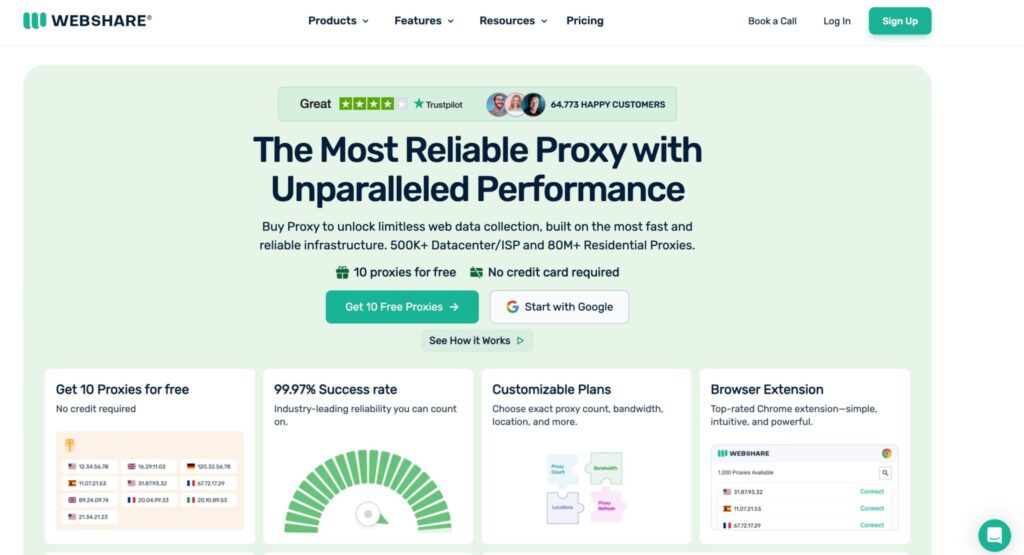
Webshare is one of the more practical choices for buyers who want affordability without a heavy learning curve. It offers datacenter, residential, and static residential proxies, with a dashboard that is simple enough for beginners.
For Steam, Webshare works best for light to medium tasks: checking public pages, testing store access from selected locations, monitoring basic changes, or running QA through different IPs. It is not the most advanced provider on this list, but it is easy to start with.
The datacenter proxies are fast and cheap, but they are easier for platforms to detect. For sensitive Steam workflows, static residential or ISP-style proxies are usually safer than shared datacenter IPs.
Webshare is a good choice when you are testing an idea before spending enterprise money. You can start small, learn your bandwidth needs, then upgrade if the project grows.
Pro-Tip: Don’t use the cheapest shared datacenter proxies for anything account-related. Keep them for basic public page checks.
Best for: Budget buyers, freelancers, and small Steam monitoring projects.
6. IPRoyal
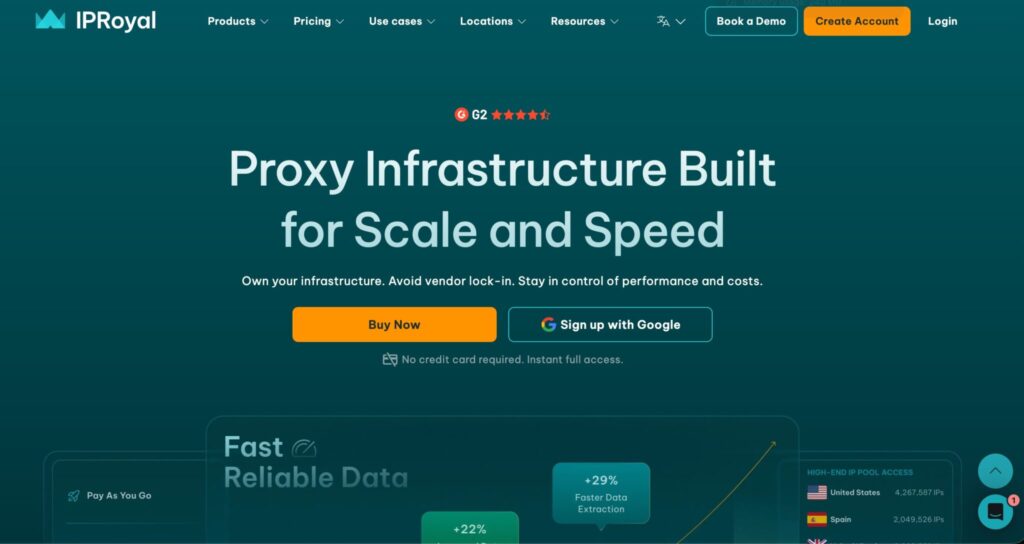
IPRoyal is popular because it gives users a flexible entry point into residential proxies. The pricing is friendly, the setup is not too technical, and unused residential traffic can be useful for teams with uneven workloads.
For Steam, IPRoyal fits smaller jobs like regional store checks, public game page monitoring, review collection, and lightweight research. It also offers ISP and datacenter proxies, so you can separate workflows based on risk and speed.
The main advantage is cost control. If you do not need enterprise-scale infrastructure, IPRoyal lets you run useful Steam proxy workflows without locking yourself into a large monthly spend.
It may not match Bright Data or Oxylabs for tooling depth, but not every Steam project needs that. Sometimes you need clean residential IPs, decent targeting, and a dashboard that does not fight you.
Pro-Tip: Start with a small residential package and measure cost per successful request before scaling.
Best for: Small teams, solo developers, and budget-conscious researchers.
7. NetNut
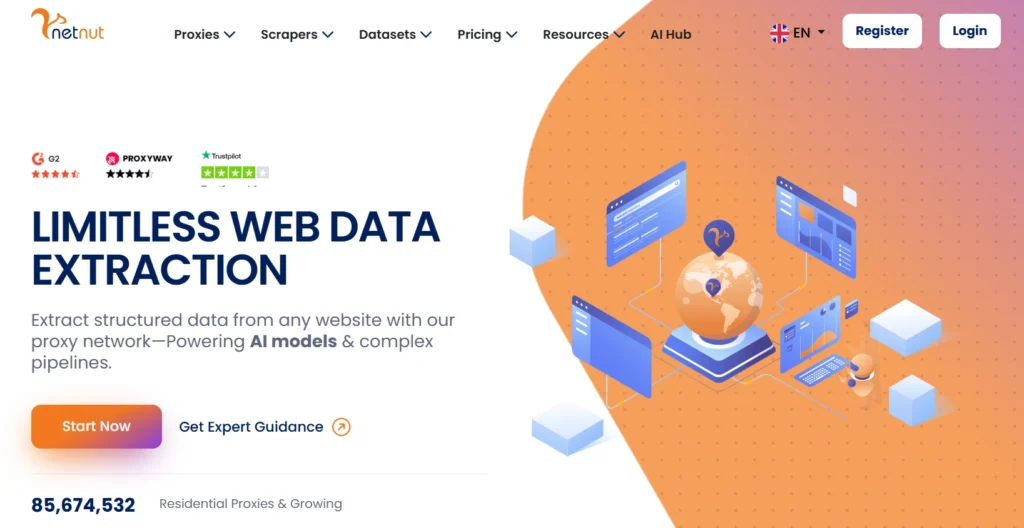
NetNut is a solid option for users who want stable residential routing and enterprise-style support without jumping straight to the most expensive providers. Its network is built for data collection, and it has a strong focus on performance.
For Steam, NetNut can work well for public store monitoring, gaming analytics, review tracking, and regional checks. The platform is useful when you need fewer failed requests and more predictable routing.
One strength of NetNut is consistency. Steam scraping often fails when proxies rotate too aggressively or come from poor-quality pools. A stable provider helps reduce noisy results, especially when you are tracking changes over time.
NetNut is better for teams with recurring data needs than one-off casual use. If Steam data feeds reports, dashboards, or internal tools, it becomes easier to justify.
Pro-Tip: Keep separate proxy pools for scraping, QA, and browser testing. Mixing everything creates messy logs and harder troubleshooting.
Best for: Mid-market teams, recurring data pipelines, and stable residential access.
8. Rayobyte
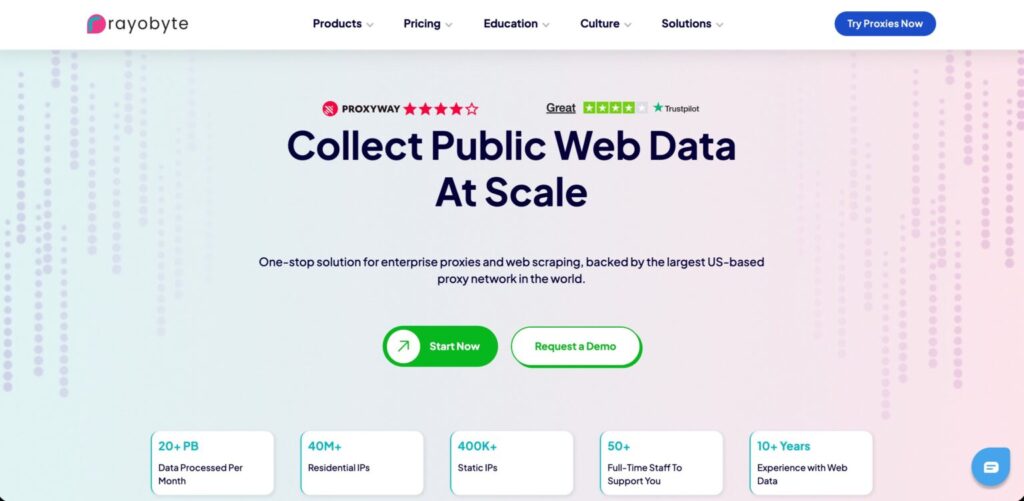
Rayobyte has a long history in the proxy space and is especially useful if you need strong US-based infrastructure. It offers residential, datacenter, and ISP proxies, making it flexible for different Steam use cases.
For Steam, Rayobyte works well for public data projects, US regional testing, store monitoring, and browser-based workflows. Its static IP options can be useful when you want stable sessions instead of constant rotation.
The platform may not feel as polished as some newer proxy dashboards, but it is practical. If your Steam project focuses heavily on US availability, pricing, or game storefront checks, Rayobyte is worth testing.
Use residential or ISP proxies for tasks that require trust signals. Use datacenter proxies only when speed matters more than stealth.
Pro-Tip: For repeat Steam checks, use the same proxy region and session structure each time. Consistency helps you compare data cleanly.
Best for: US-focused Steam research, static proxy users, and teams that need practical infrastructure.
How To Choose The Best Steam Proxy
1. Match Proxy Type To The Job
Residential proxies are best for regional testing and public Steam data collection where trust matters. ISP proxies are better for stable sessions because they combine datacenter speed with residential-style legitimacy. Datacenter proxies are fast and cheap, but they are easier to flag.
Mobile proxies are useful for mobile app testing, but they are often expensive.
For most Steam workflows, ISP proxies are the safest first choice for browser testing, while residential proxies are better for scaled public data collection.
2. Don’t Rotate Too Fast
Fast rotation sounds powerful, but it can break Steam workflows. If every request comes from a new IP, your session can look unnatural.
Use sticky sessions for login testing, cart testing, regional QA, and browser workflows. Use controlled rotation for public pages, reviews, app lists, tags, and sale monitoring.
A practical setup is simple: keep one IP for a full task, then rotate after the task is complete.
3. Check IP Pool Quality, Not Just Pool Size
A provider may advertise millions of IPs, but quality matters more than raw numbers. Look for low block rates, stable response times, clean ASN distribution, and reliable geo-targeting.
For Steam, bad IPs can create false results. You might think a game is unavailable in a region when the real issue is the proxy.
4. Use SOCKS5 When Your Tool Needs It
HTTP and HTTPS proxies work for many browser and scraper setups. SOCKS5 is better when you need broader traffic support or tool-level compatibility.
If your Steam workflow uses custom software, anti-detect browsers, or network-level testing, pick a provider with SOCKS5 support.
5. Respect Rate Limits And Build Delays
Proxies do not replace good engineering. Add retry logic, random delays, request queues, and backoff rules. Cache pages when possible. Avoid hammering Steam endpoints during sales.
A healthy crawler should look controlled, not desperate.
FAQs About Steam Proxies
1. What are Steam proxies used for?
Steam proxies are used for public data collection, regional testing, store QA, review monitoring, price tracking, and game availability checks. They should not be used for account abuse, fake activity, or bypassing Steam’s rules.
2. Are residential proxies better for Steam?
Residential proxies are usually better for Steam workflows that need trust and location accuracy. ISP proxies can be even better for stable sessions because they are fast and less volatile than rotating residential IPs.
3. Can I use datacenter proxies for Steam?
Yes, but only for low-risk public tasks. Datacenter proxies are fast and cheap, but they are easier to detect. Avoid using shared datacenter proxies for account-based workflows.
4. Should I use rotating or static proxies for Steam?
Use static or sticky proxies for login sessions, QA, and regional testing. Use rotating proxies for public data collection, but rotate by task or batch rather than every request.
5. Do Steam proxies help with regional price tracking?
Yes, proxies can help check how public Steam store pages appear from different countries. You still need to handle currency, language, cookies, and regional settings carefully.
6. What is the safest proxy type for Steam accounts?
ISP proxies are usually the safest choice for stable browser sessions. Even then, account safety depends on behavior, device fingerprinting, payment signals, and compliance with Steam rules.
7. How many proxies do I need for Steam scraping?
For light monitoring, a small residential or ISP pool may be enough. For large-scale public data collection, you need more IPs, controlled rotation, request delays, and proper retry logic.
8. Which proxy provider is best for Steam overall?
Bright Data and Oxylabs are best for enterprise Steam data projects. Decodo is the best balanced option for most teams. Webshare and IPRoyal are better for budget-friendly testing.