
Best Proxies for Vulnerability Research.
Vulnerability research is not just about finding bugs. It is about seeing how an application behaves from different networks, regions, device types, and trust levels.
A login flow may look clean from your office IP but break from a mobile carrier. A WAF rule may block one datacenter ASN but allow the same request from a residential network. A regional endpoint may expose a misconfigured asset that your normal test environment never touches.
That is where proxies become useful.
A good proxy setup helps security teams test web apps, APIs, CDN behavior, account flows, localization, rate-limit rules, fraud filters, and exposed assets from controlled network positions.
The key word is controlled. Proxies should support authorized vulnerability research, bug bounty testing, QA validation, and defensive security work. They should not be used to hide abuse, scan random targets, or break platform rules.
Below is a field-tested buyer’s guide to the best proxy providers for vulnerability research, with a technical focus on IP pools, rotation behavior, protocol support, and practical fit.
Quick Picks: Best Proxy Providers for Vulnerability Research
- Best overall enterprise option: Bright Data
- Best for large-scale research teams: Oxylabs
- Best balance of power and usability: Decodo
- Best for stable residential routing: NetNut
- Best for granular targeting: SOAX
- Best budget-friendly option: IPRoyal
- Best for low-cost datacenter and ISP proxies: Webshare
- Best for US-heavy static proxy work: Rayobyte
Massive Comparison Table: Best Proxies for Vulnerability Research
| Provider | Best For | Proxy Types | IP Pool / Coverage | Rotation & Sessions | Protocols | Research Strength | Watch-Out |
|---|---|---|---|---|---|---|---|
| Bright Data | Enterprise testing | Residential, ISP, mobile, datacenter | Very large global pool | Advanced rotation and sticky sessions | HTTP, HTTPS, SOCKS5 | Strong compliance, targeting, scale | Expensive for small teams |
| Oxylabs | Large research programs | Residential, mobile, ISP, datacenter | Huge global coverage | Rotating and session-based options | HTTP, HTTPS, SOCKS5 | Stable for high-volume workflows | Enterprise pricing can climb |
| Decodo | Mid-market teams | Residential, mobile, ISP, datacenter | Large global pool | Easy rotation controls | HTTP, HTTPS, SOCKS5 | Simple dashboard and fast setup | Less deep than Bright Data |
| NetNut | Stable routing | Residential, mobile, datacenter | Strong residential and mobile pools | Rotating and static options | HTTP, HTTPS, SOCKS5 | Good for long-running validation | UI may feel less polished |
| SOAX | Geo and ASN targeting | Residential, mobile, datacenter | Broad global coverage | Sticky and rotating sessions | HTTP(S), SOCKS5, UDP/QUIC | Excellent targeting controls | Can require tuning |
| IPRoyal | Budget-conscious teams | Residential, ISP, mobile, datacenter | Smaller but useful pool | Custom rotation options | HTTP, HTTPS, SOCKS5 | Good entry point for researchers | Less enterprise tooling |
| Webshare | Affordable infrastructure | Datacenter, static residential, rotating residential | Strong low-cost pool | Configurable proxy lists | HTTP, HTTPS, SOCKS5 | Great for repeatable tests | Limited advanced tools |
| Rayobyte | Static ISP testing | ISP, datacenter, residential | Strong US-oriented pool | Static and rotating ISP options | HTTP, HTTPS, SOCKS5 | Good for stable identity tests | Less global than top giants |
1. Bright Data: Best Overall for Enterprise Vulnerability Research
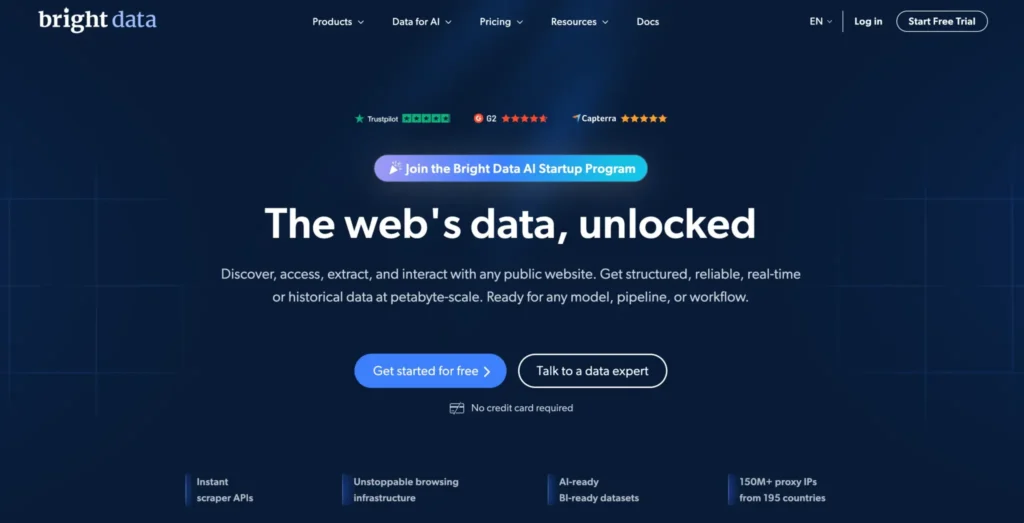
Bright Data is the provider I would put first for mature security teams that need scale, compliance controls, and precise network targeting. Its residential, ISP, mobile, and datacenter proxy options give researchers a wide testing surface.
That matters when you need to compare how a target behaves across residential networks, mobile carriers, and cloud-hosted IP ranges.
For vulnerability research, Bright Data is useful when testing CDN behavior, fraud filters, localized content, WAF rules, account access flows, and API behavior under different network conditions.
The ISP proxy option is especially useful because it offers more stability than rotating residential IPs while still appearing closer to real ISP traffic than classic datacenter addresses.
Pro-Tip: Use Bright Data’s ISP proxies for repeatable authenticated testing and residential proxies for region or network variance checks. Do not mix both in the same test run unless your logging clearly separates them.
The drawback is cost. Bright Data is not the cheapest tool on this list, and smaller teams may feel they are paying for features they do not use. But if your vulnerability research program needs clean controls, logs, targeting, and scale, it is one of the safest premium choices.
2. Oxylabs: Best for Large Security Research Workflows
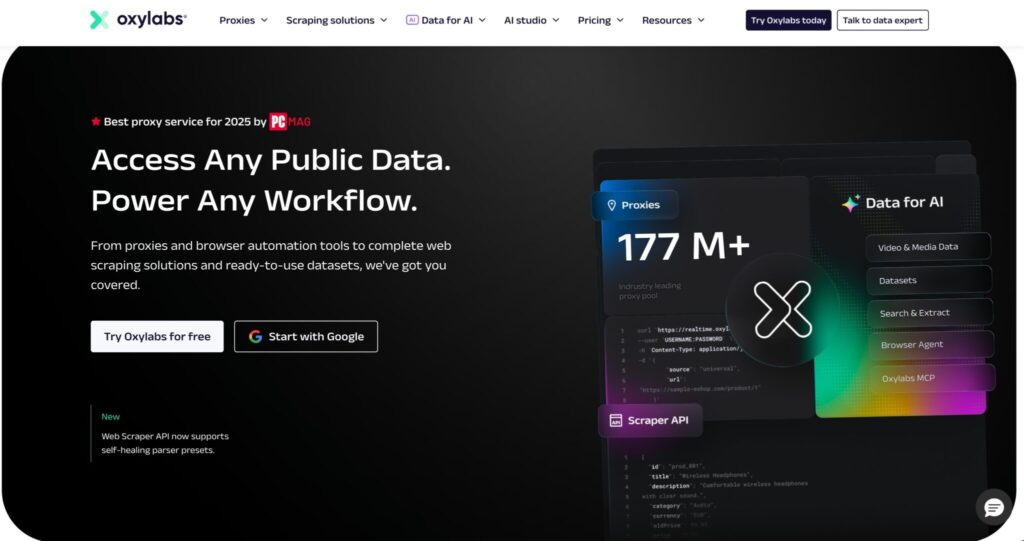
Oxylabs is another enterprise-grade provider with a strong reputation for large proxy pools, stable infrastructure, and mature tooling. It supports residential, mobile, ISP, and datacenter proxies, which makes it flexible for vulnerability validation across different network identities.
Oxylabs works well for teams that need to run controlled checks at scale, such as verifying exposure across regions, testing login behavior from multiple countries, checking whether web assets behave differently across networks, or validating security fixes after deployment.
Its SOCKS5 support is useful for researchers who work beyond basic browser traffic. You can use it with compatible tools that support proxy routing, though you should always stay inside authorized scopes.
Pro-Tip: For web app vulnerability research, start with datacenter proxies for speed and cost, then validate sensitive findings with ISP or residential proxies to understand whether the behavior changes across network classes.
Oxylabs is best for teams that value reliability more than rock-bottom pricing. If your workflow is occasional and lightweight, you may not need this level of infrastructure.
3. Decodo: Best Balance of Usability and Proxy Power
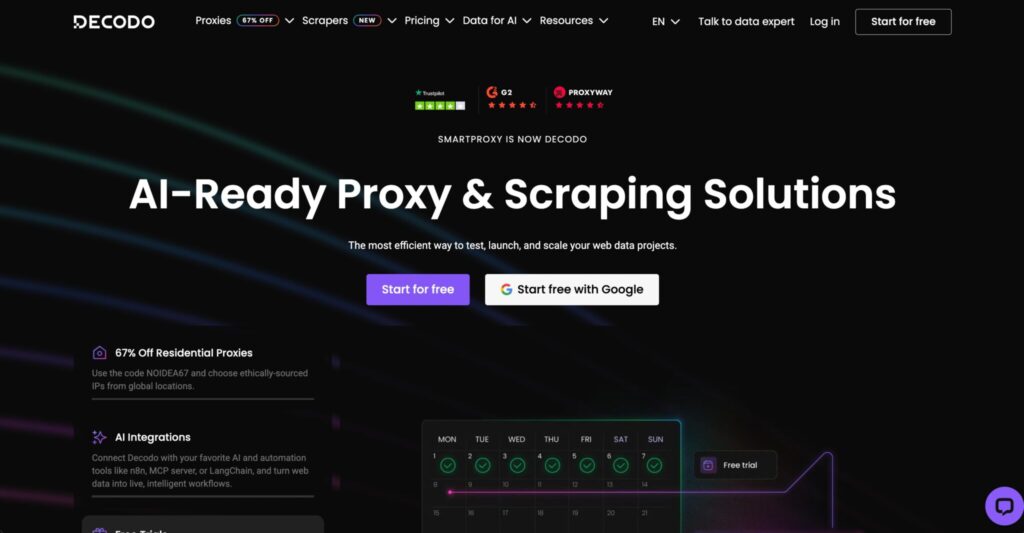
Decodo, formerly Smartproxy, is a strong pick for researchers who want premium proxy features without dealing with an overly complex enterprise platform. It offers residential, mobile, ISP, and datacenter proxies, along with a clean dashboard and practical session controls.
For vulnerability research, Decodo is useful for account-flow testing, regional verification, browser-based QA, and application behavior checks. It is not as intimidating as some enterprise-first platforms, which makes it a good choice for small security teams, solo bug bounty researchers working ethically, and agencies that need a reliable proxy layer.
The platform’s biggest advantage is usability. You can get up and running quickly, build proxy lists, manage sessions, and test different locations without spending half a day reading documentation.
Pro-Tip: Use sticky sessions when testing login, checkout, password reset, or multi-step account flows. Rotating IPs mid-session can create false positives that look like security problems but are really session consistency issues.
Decodo is not the cheapest option, but it offers a nice middle ground between budget proxy tools and heavy enterprise platforms.
4. NetNut: Best for Stable Residential and Mobile Routing
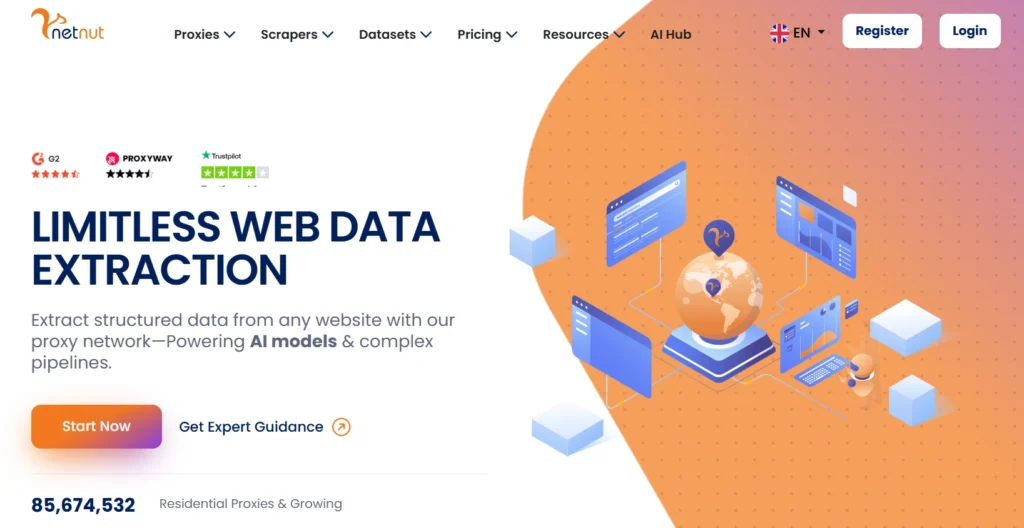
NetNut is a solid choice when stability matters. It offers residential, mobile, and datacenter proxies, with a strong focus on large-scale web data access. For vulnerability research, that stability can be helpful when you are validating whether a security issue is consistent or only appears under certain network conditions.
NetNut’s residential and mobile pools are useful for testing user-facing flows from more realistic network environments. This is helpful for fraud-filter testing, localization checks, risk-scoring validation, and mobile-first application research.
Pro-Tip: Use NetNut’s rotating residential proxies for broad coverage checks, but switch to static or sticky sessions when testing anything tied to authentication or state.
The main tradeoff is that NetNut may feel more business-focused than researcher-focused. It is powerful, but it may not be the friendliest option for someone who wants quick, casual testing.
5. SOAX: Best for Granular Targeting and Protocol Flexibility
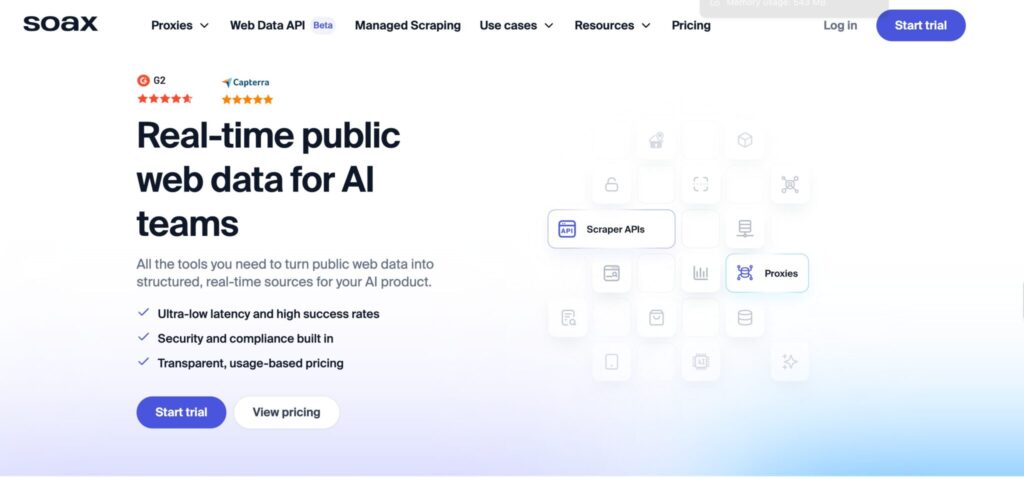
SOAX stands out because of its targeting controls and flexible protocol support. It offers residential, mobile, and datacenter proxies, with support for HTTP(S), SOCKS5, and newer options like UDP/QUIC on certain products.
That matters because modern applications are not always simple HTTP websites. Some apps use mobile-heavy traffic patterns, API calls, browser-based checks, and different transport behavior. SOAX gives researchers more room to mirror real-world network conditions.
For vulnerability research, SOAX is useful when testing regional exposure, content differences, app behavior across carriers, and security rules that depend on geography or network type.
Pro-Tip: If your target application uses heavy JavaScript, mobile flows, or region-specific experiences, SOAX can help you test from more realistic locations. Pair it with clear notes on country, city, ASN, session duration, and protocol.
SOAX may require more tuning than beginner-friendly tools. The upside is control. The downside is that poor configuration can create messy test results.
6. IPRoyal: Best Budget-Friendly Proxy Option
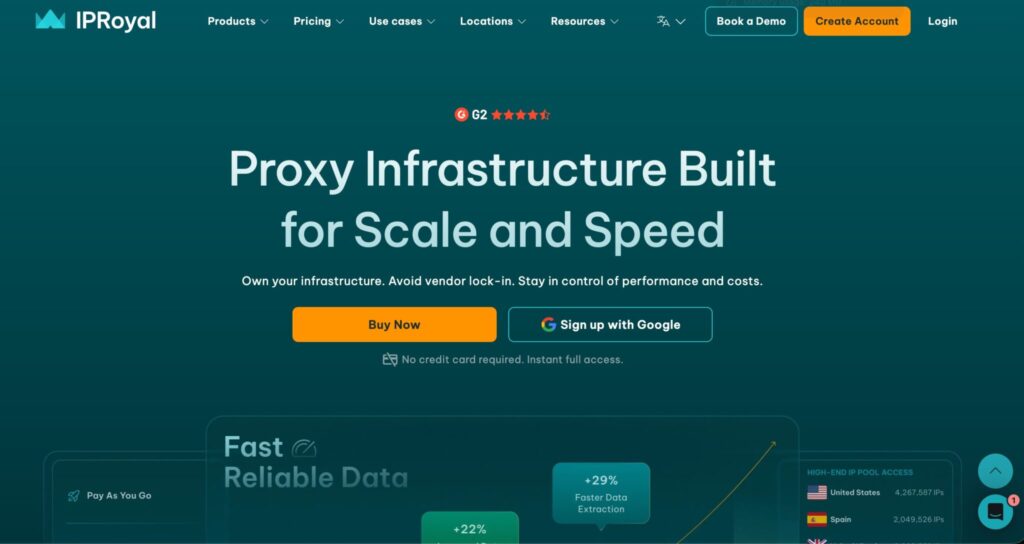
IPRoyal is a practical option for smaller teams, freelancers, and researchers who want affordable access to residential, ISP, mobile, and datacenter proxies. It is not as massive as Bright Data or Oxylabs, but it gives you enough flexibility for many everyday research workflows.
For vulnerability research, IPRoyal works well for light-to-medium testing, regional checks, basic WAF behavior validation, and repeatable browser-based workflows. Its ISP proxies are useful when you need stable sessions without relying only on datacenter IPs.
Pro-Tip: IPRoyal is a good place to start if you are building a proxy testing workflow for the first time. Keep your setup simple: one proxy type per test case, clear logs, and no unnecessary rotation.
The tradeoff is scale. Large research programs may outgrow it. But for cost-sensitive teams, it gives a useful mix of proxy types without enterprise pricing pressure.
7. Webshare: Best for Affordable Datacenter and Static Residential Proxies
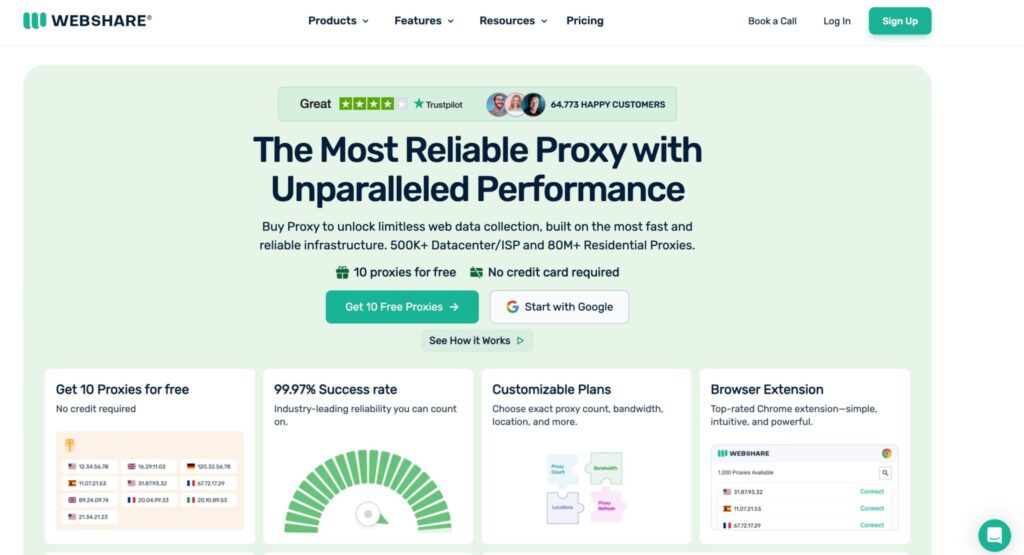
Webshare is one of the best choices when you need affordable proxy infrastructure for repeatable testing. It offers datacenter proxies, static residential proxies, and rotating residential proxies. Its pricing is friendly, and the platform is easy to understand.
For vulnerability research, Webshare is especially useful for controlled baseline testing. Datacenter proxies are fast and cheap, which makes them good for checking headers, response behavior, CDN routing, and basic access differences. Static residential proxies can help when you need a more trusted-looking network identity but do not want constant IP rotation.
Pro-Tip: Use Webshare datacenter proxies for initial baseline checks, not final proof. If a finding appears only from datacenter IPs, validate it again from ISP or residential IPs before treating it as a real-world issue.
Webshare does not offer the same advanced scraping or enterprise tooling as higher-end providers, but it is a strong value option for structured security testing.
8. Rayobyte: Best for Static ISP and US-Focused Research
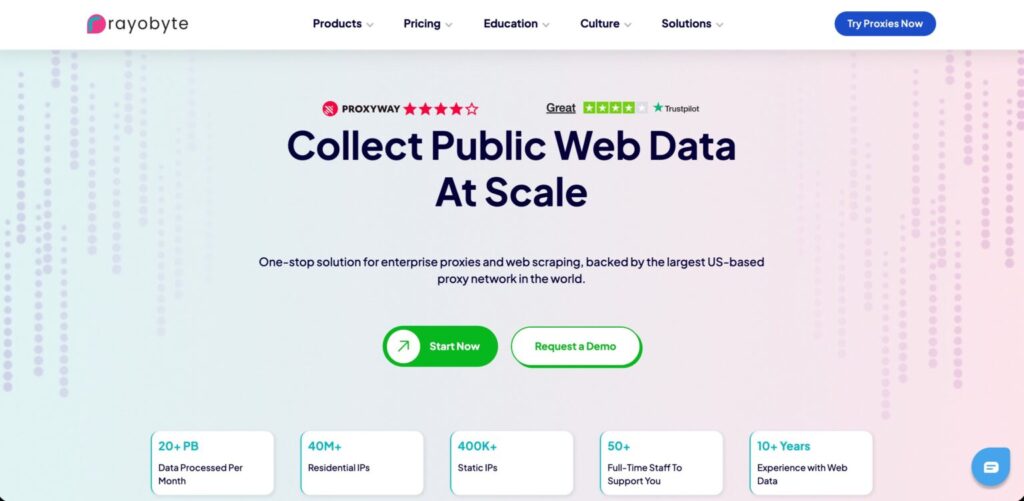
Rayobyte is a good fit for researchers who need static ISP proxies, datacenter proxies, and US-oriented proxy coverage. It is especially useful when you want stable IPs for longer sessions, repeated validation, or monitoring security fixes over time.
Its ISP proxies can be useful for testing authenticated flows, admin panels, dashboards, and applications where sudden IP rotation would break the session or pollute your results.
Pro-Tip: Rayobyte’s static ISP proxies are better for consistency than broad discovery. Use them when you need to reproduce the same issue multiple times from the same network identity.
Rayobyte may not match the global breadth of Bright Data, Oxylabs, or SOAX, but it performs well for focused, repeatable research where stability matters more than massive geographic spread.
How to Choose Proxies for Vulnerability Research
1. Start with the Research Scope
Before buying proxies, define what you are testing. Are you validating a bug bounty report? Testing your company’s login flow? Checking WAF rules? Reviewing API behavior from different countries? Your scope decides your proxy type.
Datacenter proxies are fast and affordable. ISP proxies are stable and more trusted. Residential proxies give broader real-world coverage. Mobile proxies help when app behavior changes across carriers or mobile networks.
2. Match IP Pool Type to the Test
Use datacenter proxies for speed, repeatability, and low-cost checks. Use ISP proxies when you need static sessions with stronger network credibility. Use residential proxies for regional and real-user perspective testing. Use mobile proxies for carrier-level or mobile app behavior checks.
Do not buy the largest pool just because the number looks impressive. A smaller clean pool with the right ASN, country, and session control can outperform a giant pool you cannot manage properly.
3. Understand Rotation Protocols
Rotation is useful, but only when used correctly. For broad access testing, rotating IPs can show how an application behaves across many network identities. For login flows, checkout flows, dashboards, or multi-step forms, rotation can ruin your test.
Use sticky sessions for stateful workflows. Use rotating sessions for broad regional checks. Use static ISP proxies for reproducibility.
4. Check Protocol Support
At minimum, you want HTTP and HTTPS support. SOCKS5 is useful for tools that need lower-level routing flexibility. UDP/QUIC support is more specialized but can matter for modern app traffic and certain network behavior checks.
5. Prioritize Logs and Test Hygiene
Good vulnerability research needs clean evidence. Track proxy type, region, ASN, timestamp, session mode, tool used, and target scope. Without that, you may not know whether you found a real security issue or just a proxy-side artifact.
Final Buyer Recommendation
If budget is not a problem, choose Bright Data or Oxylabs. If you want strong features without enterprise friction, choose Decodo. If stability is your main concern, look at NetNut or Rayobyte. If you need granular targeting, SOAX is excellent. If you want affordability, start with IPRoyal or Webshare.
For most vulnerability research teams, the smartest setup is not one provider. It is a small proxy stack: datacenter proxies for baseline tests, ISP proxies for repeatable sessions, residential proxies for real-world variance, and mobile proxies only when the target actually has mobile-specific behavior.
FAQs About Proxies for Vulnerability Research
1. Are proxies legal for vulnerability research?
Yes, proxies are legal tools when used for authorized testing, internal security research, QA, or approved bug bounty work. The issue is not the proxy itself. The issue is whether you have permission to test the target.
2. What proxy type is best for vulnerability research?
ISP proxies are often the best default because they balance stability and credibility. Datacenter proxies are better for speed, residential proxies are better for real-world coverage, and mobile proxies are best for carrier-level testing.
3. Should I use rotating proxies for security testing?
Use rotation only for tests that benefit from network diversity. Avoid rotation during login, checkout, admin, or multi-step workflows because changing IPs mid-session can create false results.
4. Are residential proxies better than datacenter proxies?
Not always. Residential proxies look more like real user traffic, but they cost more and can be slower. Datacenter proxies are fast, cheap, and easier to control. Serious teams usually use both.
5. Do proxies help test WAF rules?
Yes, proxies can help you see how WAF rules behave across network types and regions. Just make sure the testing is authorized and rate-limited so you do not create operational noise.
6. What is a sticky proxy session?
A sticky session keeps the same proxy IP for a set period. This is useful for authenticated workflows where a sudden IP change could trigger risk checks or break the session.
7. Is SOCKS5 necessary for vulnerability research?
Not always, but it is useful. HTTP and HTTPS are enough for many web app tests. SOCKS5 gives more flexibility for tools and traffic types that do not fit simple browser-based testing.
8. Can free proxies be used for vulnerability research?
Avoid them. Free proxies are unreliable, slow, often abused, and risky for sensitive testing. Use reputable paid providers with clear sourcing, controls, and support.