
Best ZIP Code Targeting Proxies.
Most proxy buyers think city targeting is “local enough.” It often is not.
If you are checking local ads in Brooklyn, delivery prices in Miami, SERPs in Phoenix, or store inventory around a specific area, a proxy that only says “United States” or “New York” can return messy data. ZIP code targeting narrows the exit IP closer to the local market you actually care about.
That precision comes with trade-offs. ZIP pools are smaller than country pools. Sessions can be less stable. Some providers advertise advanced geo-targeting but only support country, state, or city filters.
So the best ZIP code targeting proxy is not always the largest provider. It is the provider that gives you enough local IP depth, clean rotation controls, and honest availability for the ZIPs you need.
Quick Verdict: Best ZIP Code Targeting Proxies
Bright Data is the strongest overall choice for enterprise-grade ZIP targeting. Oxylabs is best for high-volume U.S. ZIP/postal targeting. Decodo is the best middle-ground option for teams that want accuracy without a heavy sales process. NodeMaven is worth testing if profile quality and ZIP-level consistency matter. Proxy-Seller is the budget-friendly pick for users who want ZIP, ISP, ASN, and rotation controls in one setup.
Use SOAX, Webshare, or IPRoyal when city, state, ISP, or long sticky sessions matter more than exact ZIP availability.
Massive Comparison Table
| Provider | Best For | ZIP Targeting Strength | Pool Depth | Protocols | Rotation Control | Sticky Sessions | Targeting Options | Main Trade-Off |
|---|---|---|---|---|---|---|---|---|
| Bright Data | Enterprise ad verification and local scraping | Excellent | Very large | HTTP(S), SOCKS5 | Per request, session-based | Strong | Country, state, city, ZIP, ASN | Expensive and compliance-heavy |
| Oxylabs | Large-scale U.S. ZIP scraping | Excellent | Very large | HTTP(S), SOCKS5 | Username parameters, sessions | Strong | Country, city, state, ZIP/postal | Premium pricing |
| Decodo | Balanced price and usability | Very strong | Large | HTTP(S), SOCKS5 | Dashboard and username options | Session-based | Country, state, city, ZIP, ASN | Less enterprise tooling |
| NodeMaven | ZIP-level profile accuracy | Strong | Mid to large | HTTP(S), SOCKS5 | Rotating and sticky | Strong | City, ZIP, ISP | Newer market reputation |
| Proxy-Seller | Budget ZIP and ISP targeting | Strong | Mid-sized | HTTP(S), SOCKS5 | Suffix-based controls | Flexible | GEO, ASN, ISP, ZIP | Hands-on setup |
| IPRoyal | Affordable rotating residential use | Medium | Medium | HTTP(S), SOCKS5 | Per request or sticky | Long sticky options | Country, state, city, ISP | ZIP claims vary by setup |
| SOAX | City and ISP targeting | Medium | Large | HTTP(S), SOCKS5, UDP/QUIC | Custom refresh | Sticky and rotating | Country, region, city, ISP | Not exact ZIP-first |
| Webshare | Low-cost city-level residential proxies | Basic to medium | Large | HTTP/SOCKS5 | Custom rotation windows | Available | Country and city | ZIP is not the core feature |
What Makes a Good ZIP Code Proxy?
A good ZIP targeting proxy must pass three tests.
First, the provider should support explicit ZIP or postal code parameters, not just “city-level targeting.” City targeting can still route traffic through a nearby suburb, carrier hub, or mismatched metro area.
Second, the pool must have enough live IPs in the requested ZIP. Dense ZIPs may have plenty of nodes. Rural or low-population ZIPs may have almost none. Ask for availability before buying a large plan.
Third, rotation must match the task. Local SEO checks can use rotating IPs. Cart testing, ad account QA, and logged-in workflows need sticky sessions. A proxy that changes identity too often will corrupt your test data.
Pro-Tip: Test five to ten ZIPs before scaling. Include metro, suburban, and low-density ZIPs. This exposes pool quality faster than any sales page.
1. Bright Data: Best Overall ZIP Code Targeting Proxy
Bright Data is the heavyweight option for serious geo-targeted data work. Its residential proxy network is built for granular location control, and ZIP-level targeting is one of the areas where it feels more mature than most competitors.
The biggest reason to choose Bright Data is control. You can target by country, state, city, ZIP code, and ASN, then combine that with rotation logic and session handling. For ad verification, localized price checks, travel fare monitoring, and retail availability testing, that level of control matters.
Bright Data is not cheap. It also has a stricter compliance process than many budget proxy sellers. Pick Bright Data if your team needs reliability, detailed controls, and enterprise support. Skip it if you only need a few ZIPs for a small side project.
2. Oxylabs: Best for High-Volume U.S. ZIP Targeting
Oxylabs is one of the safest recommendations for data teams that need scale, especially in the United States. Its residential proxy documentation supports ZIP/postal targeting through connection parameters, which makes it easier to automate large batches of location-specific requests.
The provider is strong for public web scraping, market intelligence, price monitoring, and SERP workflows. If you are monitoring local prices across hundreds of ZIP codes, you can structure requests around postal parameters and rotate sessions depending on the target’s sensitivity.LKJFVHJHN JUJJGY
The downside is cost. Oxylabs is a premium provider. Smaller affiliates, solo SEO testers, and casual users may find it more than they need.
Pro-Tip: With Oxylabs, separate high-value ZIPs into their own test groups. Do not mix all ZIPs into one rotation workflow, or you will struggle to identify where failures are coming from.
3. Decodo: Best Balance of ZIP Targeting and Ease of Use
Decodo, formerly Smartproxy, is a strong pick for teams that want ZIP targeting but do not want a complex enterprise sales process. It offers residential proxies with location targeting across country, state, city, ZIP, and ASN options, depending on the product and setup.
Decodo is useful for local SERP checks, ad previewing, ecommerce testing, marketplace research, and account-safe browsing where location consistency matters. It also offers sticky sessions, which helps when you need the same local identity for several requests.
The main limitation is that it may not match Bright Data or Oxylabs for highly customized enterprise workflows. But for most growing teams, it gives enough precision without too much friction.
4. NodeMaven: Best for ZIP-Level Profile Accuracy
NodeMaven has been gaining attention because it focuses heavily on IP quality, filtering, and location-accurate sessions. Its ZIP-level targeting feature is positioned for users who need profiles to stay region-accurate, which is useful for localized account testing, ad verification, affiliate checks, and geo-specific QA.
The service is a strong candidate if you want ZIP-level sessions but also care about fraud score, ISP match, and profile stability. It is less proven than Bright Data or Oxylabs at enterprise scale, so large teams should test first.
Pro-Tip: Use NodeMaven where IP reputation matters as much as ZIP accuracy. For pure bulk scraping, compare cost per successful request against Oxylabs and Decodo.
5. Proxy-Seller: Best Budget ZIP Targeting Option
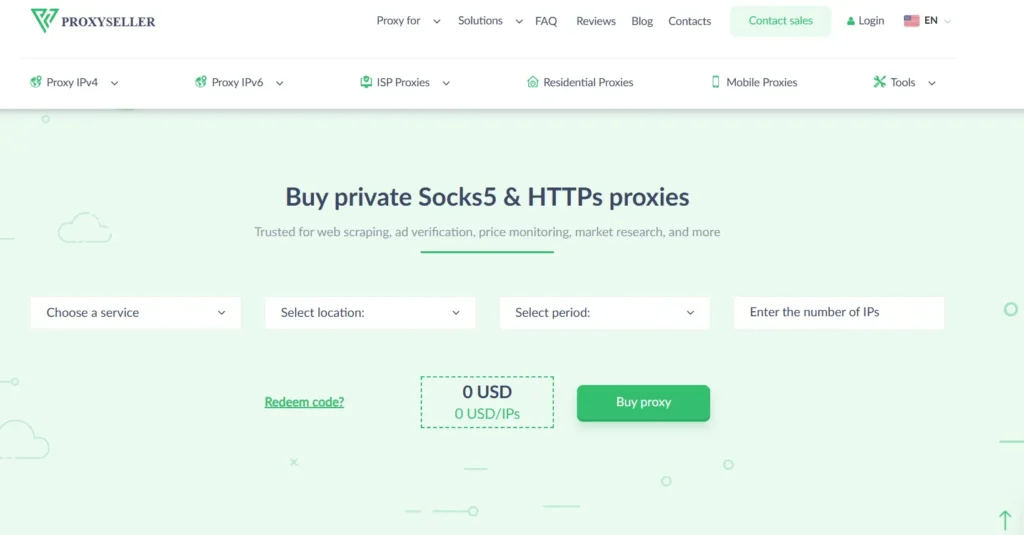
Proxy-Seller is a practical choice for buyers who want advanced location controls without paying enterprise rates. Its residential proxy setup supports targeting by GEO, ASN, ISP, and ZIP through login suffixes and dashboard configuration.
The catch is that Proxy-Seller feels more hands-on. Beginners may need time to understand suffixes, session TTL, and endpoint behavior. If your team has technical comfort, that flexibility becomes a strength. If not, Decodo may feel easier.
6. IPRoyal: Best Affordable Option for Long Sticky Sessions
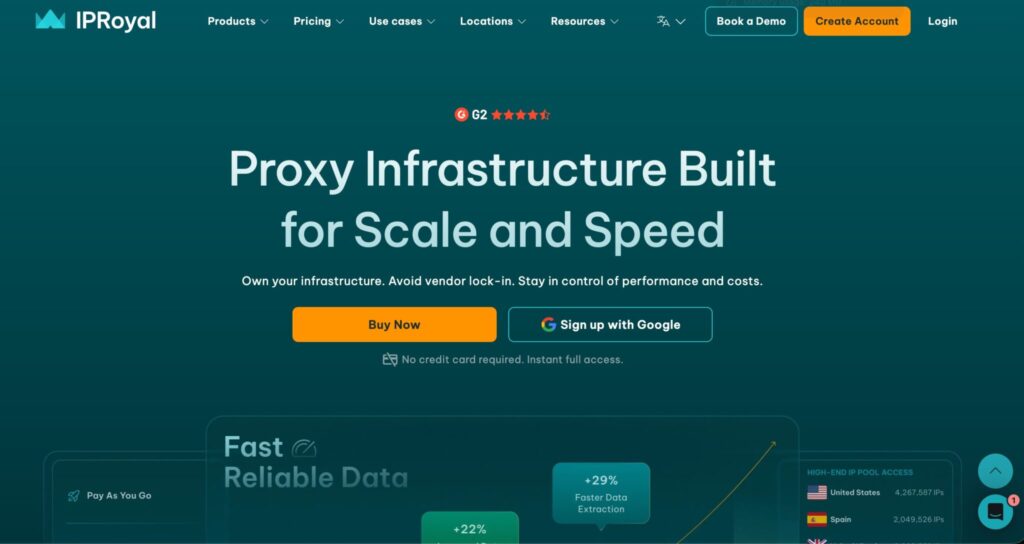
IPRoyal is popular because it keeps pricing approachable and offers residential proxies with country, state, city, and ISP targeting. It also supports rotating and sticky sessions, with traffic that can be useful for smaller projects.
For ZIP code targeting, verify the exact setup before buying. Some IPRoyal materials discuss ZIP-level use, while the main product documentation is stronger around country, state, city, and ISP filters. That does not make it bad. It just means it should not be your first choice if ZIP accuracy is the whole reason you are buying.
IPRoyal makes sense for local SEO checks, light ad verification, and affordable research where city-level accuracy is acceptable. It is also useful when you need longer sticky identities at a lower cost.
7. SOAX: Best for City, ISP, and Flexible Rotation
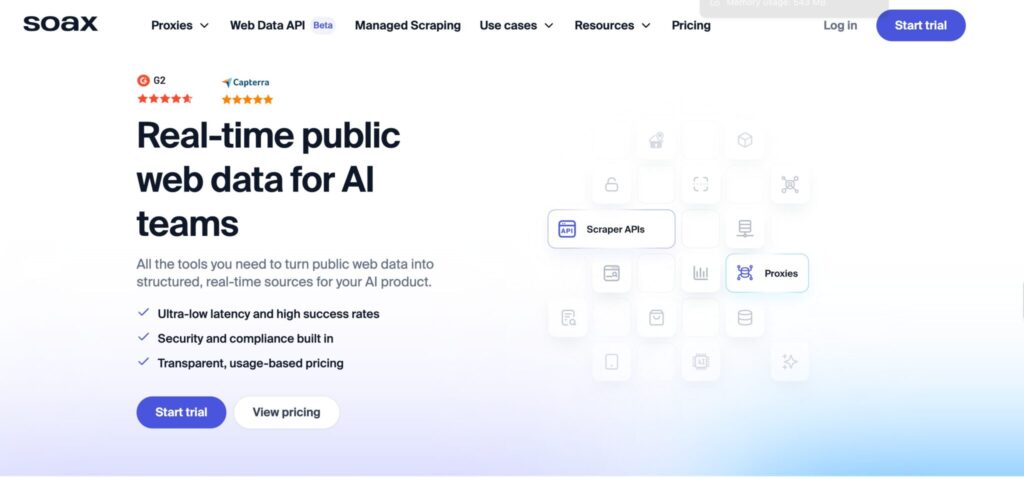
SOAX is not my first pick for strict ZIP-only targeting, but it deserves a place because many “ZIP targeting” workflows actually need city, region, ISP, and session stability. SOAX performs well in that lane.
Its residential proxies support rotating and sticky sessions, multiple protocols, custom refresh rates, and precise targeting by country, region, city, and ISP. That gives marketers and data teams enough control for many local tasks.
Use SOAX for brand protection, local ad checks, marketplace research, app testing, and SERP monitoring when city-level targeting is enough. Do not assume it will cover every ZIP code you care about. Ask support first.
8. Webshare: Best Low-Cost City-Level Alternative
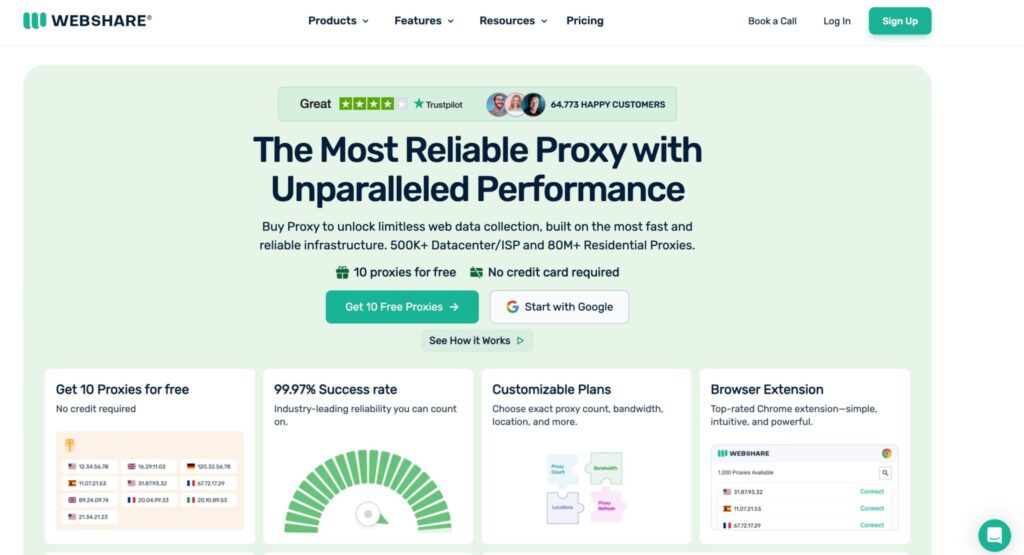
Webshare is a good fallback for buyers who want affordable residential proxies and simple city-level targeting. It is not the strongest true ZIP targeting provider, but it can work well for budget local testing.
For exact ZIP-level ad verification or pricing intelligence, use Bright Data, Oxylabs, Decodo, NodeMaven, or Proxy-Seller instead. Webshare is better when you want low cost, easy setup, and reasonable geo accuracy.
How to Choose ZIP Code Targeting Proxies
Start with the use case. For ad verification and local SERP checks, rotating residential proxies are usually enough. For checkout testing, account QA, or location-sensitive browsing, use sticky residential sessions. For long-term identity stability, consider ISP proxies, but remember that ISP proxies usually offer less granular ZIP control.
Check IP pool depth before price. A cheap provider with three usable IPs in your target ZIP will cost more in failed requests than a premium provider with better availability.
Look at rotation protocols. Per-request rotation is good for scraping public pages. Timed rotation works for repeating checks. Sticky sessions are better when cookies, carts, or login state matter. Session TTL should be adjustable.
Protocol support matters too. HTTP(S) is enough for most web scraping and browser work. SOCKS5 is useful when your tool needs broader traffic support. UDP/QUIC support is rare and mainly relevant for special applications.
Ask about sourcing and compliance. Use proxies for lawful public data collection, QA, research, and verification. Avoid anything involving credential attacks, spam, payment abuse, or unauthorized access.
Pro-Tip: Do not buy based on advertised pool size alone. Buy based on successful requests from the ZIPs you need.
Before you scale, document every failed request by ZIP, provider, target URL, response code, and session type. This sounds boring, but it saves money and helps your team avoid blaming the wrong provider after one bad test run. Most proxy problems look random until you group them by location and rotation behavior.
Best Use Cases for ZIP Code Proxies
ZIP targeting is most valuable when the website changes behavior by neighborhood or delivery area. Common examples include local SEO rank tracking, Google ad verification, ecommerce delivery pricing, grocery inventory checks, marketplace listings, travel price testing, localized landing page testing, and retail store availability monitoring.
It is also useful for affiliate marketers. If a CPA offer, insurance quote, home service campaign, or local lead-gen funnel changes by ZIP code, you need to see what real users in that area see.
FAQs
1. What are ZIP code targeting proxies?
ZIP code targeting proxies route your traffic through residential IPs associated with a specific postal area. They help you view localized search results, ads, prices, content, and availability more accurately than country or city proxies.
2. Are ZIP code proxies better than city proxies?
They are better when the target website changes results by ZIP code. City proxies are fine for broad local testing, but ZIP targeting gives tighter location control.
3. Which proxy type is best for ZIP targeting?
Rotating residential proxies are usually best because they offer the widest location coverage. ISP proxies are faster and more stable but often have less granular ZIP availability.
4. Can datacenter proxies target ZIP codes?
Usually no. Datacenter proxies are fast and cheap, but their location data is less natural and less precise. For ZIP-level work, residential proxies are the safer choice.
5. Why do some ZIP codes have poor proxy availability?
Proxy availability depends on how many real residential nodes exist in that postal area. Dense urban ZIPs usually have better coverage than rural or low-population ZIPs.
6. How many ZIP proxies do I need?
For SEO or ad checks, a small rotating pool may be enough. For scraping many pages or running parallel tests, you need deeper pools and careful rotation to avoid repeated IPs.
7. Should I use sticky or rotating sessions?
Use rotating sessions for public page scraping and SERP checks. Use sticky sessions for carts, logins, forms, and multi-step workflows.
8. Are ZIP code targeting proxies legal?
Proxies are legal tools, but usage matters. Use them for permitted research, public data collection, testing, and verification. Do not use them to break laws, bypass access controls, spam, or commit fraud.
Final Buying Advice
If ZIP accuracy is mission-critical, start with Bright Data, Oxylabs, Decodo, NodeMaven, or Proxy-Seller. If your project can tolerate city-level targeting, SOAX, IPRoyal, and Webshare may offer better value.
The smartest move is to test before scaling. Pick your top ZIPs, run controlled checks, measure success rate, latency, block rate, and location accuracy, then commit. ZIP targeting is powerful, but only when the pool behind it is real, deep, and stable enough for your workload.